
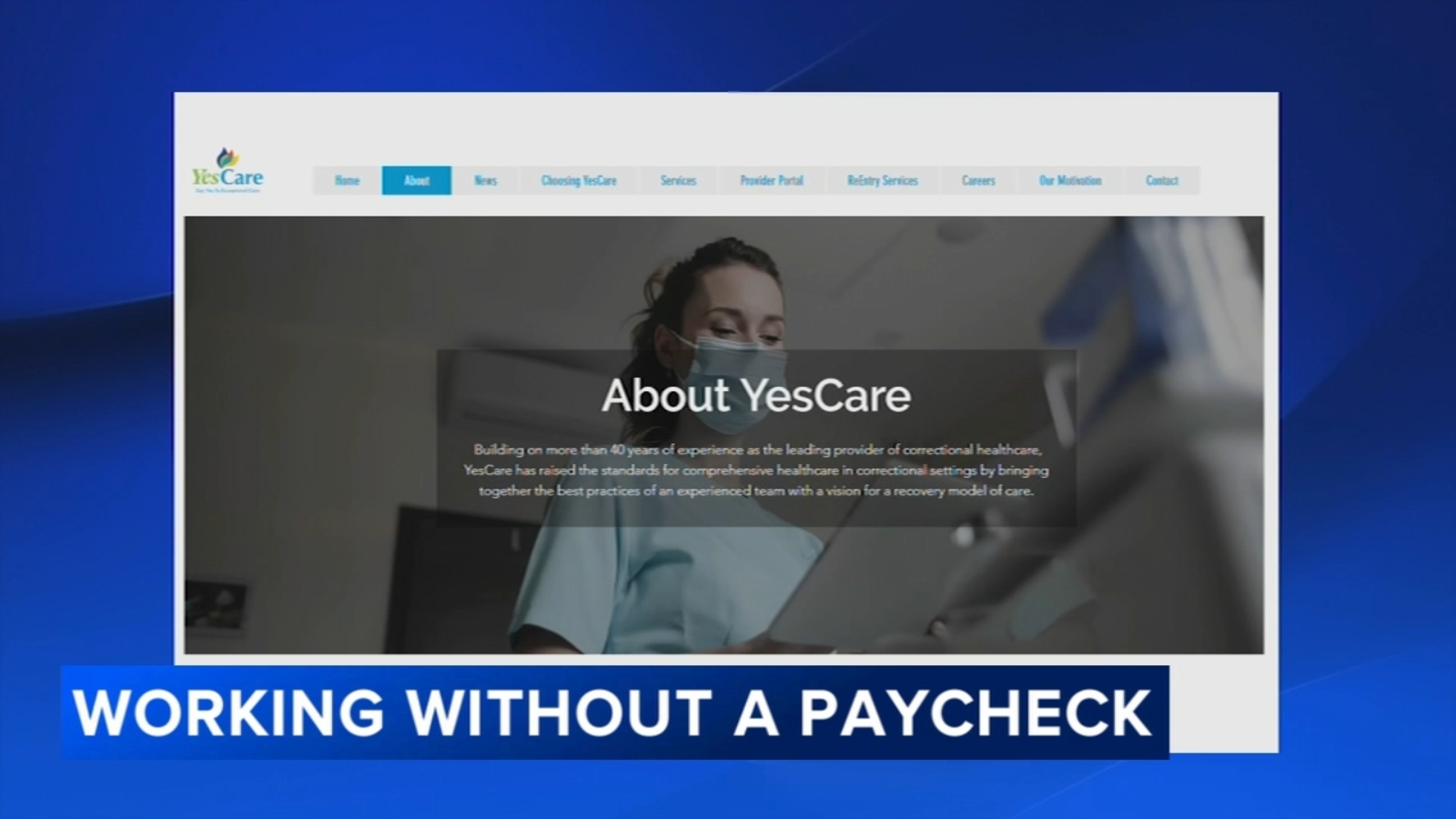
The YesCare bankruptcy pay crisis has thrust Philadelphia into the national spotlight after medical staff at six city correctional facilities went nearly a month without compensation. Nurses, dental professionals, and behavioral health specialists continued showing up to care for incarcerated patients despite missing two consecutive paychecks, exposing the human cost of corporate financial collapse on some of society’s most vulnerable workers.
On May 8, YesCare filed for Chapter 11 bankruptcy protection, sending shockwaves through correctional health systems nationwide. In Philadelphia alone, the company’s financial troubles affected 375 workers who provide essential medical, dental, and behavioral health services inside the city’s detention facilities. The situation became so dire that Mayor Cherelle Parker organized emergency food distributions and ultimately committed city funds to ensure workers received immediate payment.
The Scope of YesCare’s Operations
YesCare is far from a small contractor. The company delivers correctional healthcare services at more than 475 facilities across the United States, making its bankruptcy a matter of national concern rather than a localized Philadelphia issue. Within Philadelphia, YesCare’s reach extends to every corner of the city’s detention infrastructure:
- All four State Road prisons
- The Philadelphia Juvenile Justice Services Center
- The Philadelphia Police Department’s detention unit
- Riverside Correctional Facility, where much of the public response has been concentrated
This comprehensive coverage means that virtually every person entering Philadelphia’s correctional system relies on YesCare staff for medical attention. When those workers stop receiving paychecks, the ripple effects extend far beyond the employees themselves.
A Workforce Holding the Line
Despite the financial hardship, the vast majority of YesCare employees continued reporting for duty. Philadelphia Department of Prisons Commissioner Michael R. Resnick praised their dedication, noting that these professionals remained committed to their roles and to the incarcerated individuals under their care. This commitment, while admirable, underscores a troubling reality: correctional healthcare workers often labor under conditions where their employment status and compensation hang by threads tied to private contractors vulnerable to financial instability.
Nurse Rashidah Byrd captured the emotional toll in her remarks to reporters. “We’re trying. We’re really trying to hold on. But it’s rough,” she said, summing up weeks of uncertainty for herself and her colleagues.
The City of Philadelphia’s Emergency Response
When word spread that workers had missed two paycycles, Philadelphia’s leadership moved quickly to prevent a humanitarian crisis. Mayor Parker made clear that the situation was unacceptable, particularly given the broader affordability challenges facing working families.
“You don’t mess with people’s paychecks when we’re dealing with an affordability crisis in every way imaginable!”
The city’s response unfolded in two phases: immediate humanitarian relief followed by direct financial intervention.
Food Drives and Community Support
City officials partnered with local nonprofits and private donors to organize food distributions at the affected correctional facilities. The Riverside Correctional Facility gymnasium became a distribution hub where workers could pick up groceries and gift cards. The collaborating organizations included:
- Philabundance , Philadelphia’s signature hunger-relief organization
- Share Food , A nonprofit focused on food access in underserved communities
- Sharing Excess , A group dedicated to redirecting surplus food to those in need
- Caring for Friends , A volunteer-powered meal delivery service
Private sector donors also stepped forward. Cisco, Aramark, and grocery entrepreneur Pat Burns contributed funds and resources to amplify the relief effort. Commissioner Resnick credited the city’s administration for quickly mobilizing these partnerships after the Department of Prisons raised the alarm.
Byrd, visibly moved as she collected supplies, expressed gratitude for the outpouring of community support. The presence of gift cards and groceries provided tangible relief, but workers emphasized that such donations could not substitute for regular wages.
Bankruptcy Court Intervention
On Thursday, following weeks of advocacy, a bankruptcy court judge approved the City of Philadelphia’s request to provide funds that would cover back pay for all 375 affected workers. Mayor Parker announced the action with clear urgency:
“The city of Philadelphia is wiring money to YesCare today so that the workers can be paid immediately. Immediately!”
This legal maneuver represents an extraordinary step by a municipal government to compensate workers employed not by the city itself, but by a private contractor. YesCare employees technically work for the bankrupt company, not for Philadelphia. The city’s decision to bridge this gap reflects the urgent need to maintain uninterrupted medical care for incarcerated individuals while also protecting the livelihoods of healthcare professionals.
Broader Implications for Correctional Healthcare
The YesCare bankruptcy pay crisis in Philadelphia illuminates several systemic issues affecting correctional healthcare delivery across the United States.
The Vulnerability of Contracted Workers
Privatized correctional healthcare creates a precarious employment situation for thousands of medical professionals. When the contractor encounters financial distress, workers often have limited legal recourse and few protections. Unlike direct government employees, contracted workers may face delays in compensation, uncertainty about benefits, and the risk of losing their jobs entirely if the contractor dissolves.
The Philadelphia situation demonstrates how quickly these arrangements can unravel. Within weeks of YesCare’s Chapter 11 filing, workers were left without income, and city officials were scrambling to prevent both a humanitarian crisis and a public health emergency inside detention facilities.
Continuity of Care Concerns
When healthcare workers experience prolonged financial stress, the quality and continuity of patient care inevitably suffer. Correctional healthcare is already a challenging field, often stigmatized and underfunded. The YesCare bankruptcy has compounded these challenges by introducing uncertainty into facilities that depend on stable staffing to provide medical, dental, and behavioral health services to incarcerated populations.
Philadelphia officials have emphasized that ensuring uninterrupted medical care remains a priority, but the bankruptcy has highlighted how dependent the system is on a single private company’s solvency.
A National Pattern
YesCare’s bankruptcy is not an isolated incident affecting only Philadelphia. The company serves more than 475 facilities nationwide, meaning similar pay disruptions may be unfolding in other cities and states. As bankruptcy proceedings continue, workers and municipalities across the country are watching closely to understand what protections and remedies may emerge.
What Happens Next for Philadelphia Workers
With the bankruptcy court’s approval, Philadelphia is wiring funds to YesCare specifically designated for worker compensation. This immediate intervention should resolve the most pressing crisis, but questions remain about long-term stability.
Workers will need to monitor the bankruptcy proceedings to understand:
- Whether back pay will include the full missed amount
- How benefits, including health insurance and retirement contributions, will be handled
- Whether YesCare will continue operating or be acquired by another entity
- What protections exist for workers if additional financial disruptions occur
City officials have indicated that food distributions will continue at other correctional facilities affected by the bankruptcy, signaling ongoing concern about worker welfare beyond the initial emergency response.
Conclusion
The YesCare bankruptcy pay crisis in Philadelphia represents more than a local labor dispute. It is a stark illustration of how private contractors operating in essential public sectors can leave workers and the people they serve exposed to sudden financial collapse. The dedication of Philadelphia’s correctional health workers, who continued caring for incarcerated patients despite missing two paychecks, speaks to their professionalism and humanity. At the same time, the city’s willingness to commit public funds to compensate employees of a private company underscores the impossible position municipalities face when contracted service providers falter.
As YesCare’s bankruptcy proceedings unfold, Philadelphia has demonstrated that swift action and creative legal partnerships can protect workers in the short term. The longer-term challenge will be building a correctional healthcare model that does not leave dedicated medical professionals vulnerable to the financial instability of their employers. For now, 375 Philadelphia workers can expect to receive the pay they have earned, and the incarcerated individuals in their care can continue receiving the medical services they need, thanks to a city that refused to let a bankruptcy filing become a humanitarian disaster.