
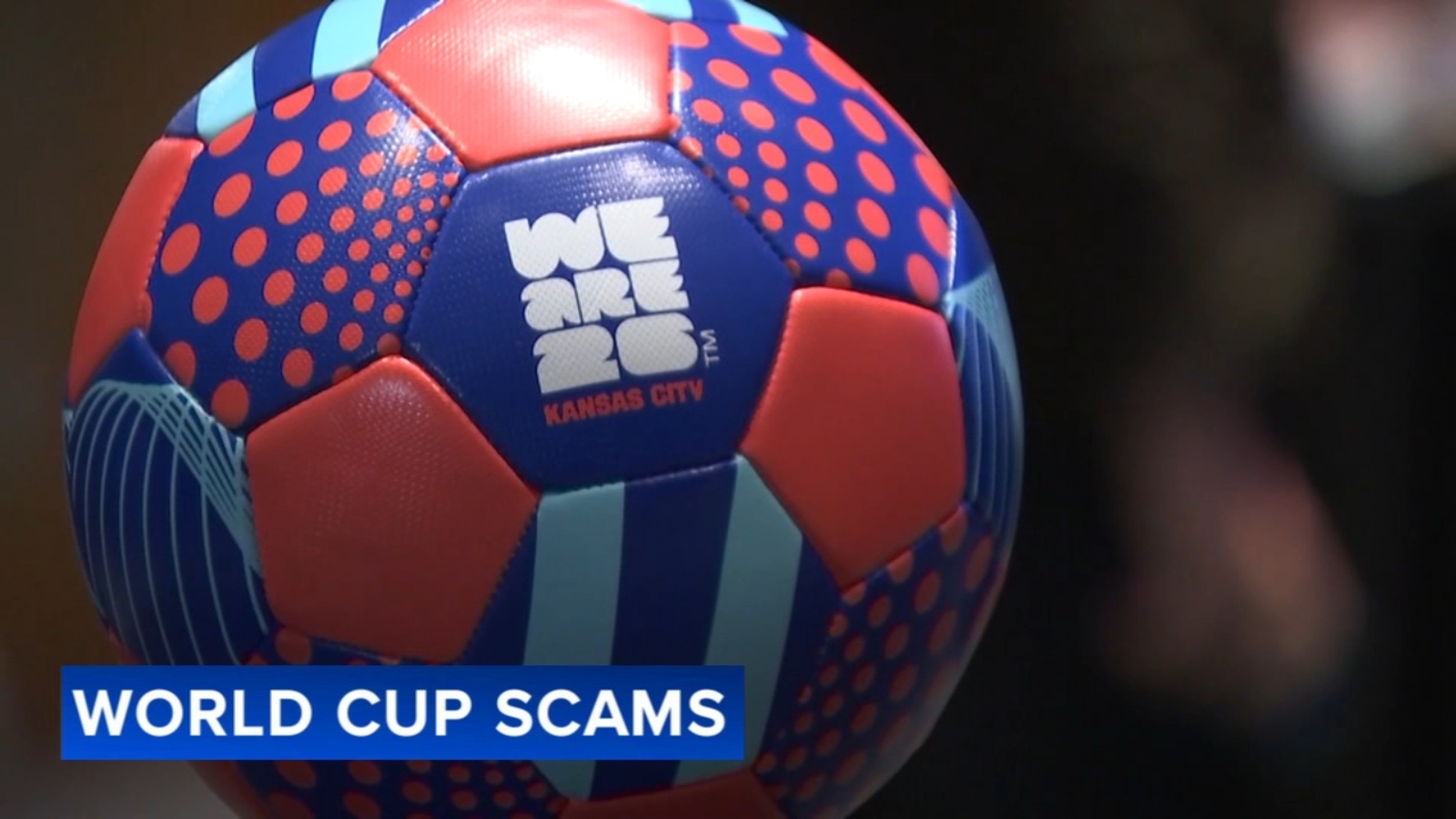
As the FIFA World Cup approaches, excitement is building among soccer fans across the globe. But alongside the thrill of the tournament comes a less welcome reality: a surge in world cup scams designed to prey on enthusiastic supporters. From counterfeit tickets to deceptive travel packages, criminals are deploying increasingly sophisticated tactics to separate fans from their money and personal information. Understanding how these schemes work,and knowing how to protect yourself,has never been more important.
With the first match scheduled at the Linc on June 14, authorities and cybersecurity professionals are sounding the alarm. The Pennsylvania State Police have issued a public alert, and security experts are urging fans to remain vigilant. Here’s everything you need to know to stay safe while enjoying the beautiful game.
Why World Cup Events Are a Magnet for Scammers
Major international sporting events like the World Cup attract massive global audiences, creating the perfect storm for fraudulent activity. Hundreds of thousands of fans are searching simultaneously for tickets, accommodations, transportation, and merchandise,often in unfamiliar cities and under tight time constraints. This urgency and high demand create a fertile environment where online ticket scams and other forms of fraud can thrive.
Alex Hamerstone of TrustedSec explains that scammers typically capitalize on several aspects of large events, including transportation arrangements, fan gathering sites, and gambling opportunities. “There are always tons of scams around really any kind of event,” he notes. The combination of passion, pressure to secure limited resources, and the digital nature of modern ticket transactions makes soccer fans especially vulnerable.
The Most Common World Cup Scams Targeting Fans
Being aware of the specific tactics criminals use is the first step in protecting yourself. Here are the most prevalent world cup scams making the rounds.
Fake and Counterfeit Tickets
Tickets top the list of scam targets, and for good reason. Police and cybersecurity experts warn that criminals are aggressively selling counterfeit tickets and fake digital tickets through social media platforms, copycat websites, and other unofficial channels. These fraudulent tickets can look remarkably authentic, especially when enhanced with modern technology.
Even worse, some scammers operate in a gray area. Hamerstone cautions that “even if it’s somebody attempting to sell tickets in good faith, if they send you a screenshot or transfer the tickets in an unapproved way, those tickets are still not going to work for you.” This means you could pay full price for a ticket that ultimately gets rejected at the gate.
Fraudulent Fan Packages and Travel Deals
Bundled offers that promise accommodations near the stadium, exclusive merchandise, and VIP experiences can be incredibly tempting. Unfortunately, many of these fan package scams are entirely fabricated. Police report that criminals create bogus promotional offers designed to steal both your deposit and sensitive personal information, such as credit card numbers and identification documents.
The old adage holds true: if a deal seems too good to be true, it almost certainly is. Legitimate travel packages rarely come with deep discounts, especially for high-profile events like the World Cup.
Phishing Links and Malicious QR Codes
Scammers are increasingly turning to digital deception through phishing links and fraudulent QR codes. These might appear in emails, text messages, or on flyers promising special offers like discounted parking, exclusive meet-and-greet opportunities, or free merchandise. Once scanned or clicked, these codes and links can lead to malicious websites designed to harvest your login credentials, install malware, or steal financial information.
Because QR codes have become a normal part of everyday life, many people scan them without a second thought. Cybercriminals count on this complacency to make their schemes successful.
Social Media Scams and Impersonation
Social media platforms have become hunting grounds for event ticket fraud. Fake accounts impersonate official tournament organizers, authorized vendors, or even fellow fans. They may offer exclusive deals, run fake giveaways, or simply collect payment for tickets that never materialize. The visual nature of these platforms makes it easy for scammers to create convincing profiles and posts.
How AI Is Making World Cup Scams More Convincing
One of the most alarming developments in recent years is how artificial intelligence has supercharged fraudulent activity. Gary Orenstein of Bitwarden warns that “things can look very, very official with today’s AI tools, and scammers are taking advantage of using them.” AI can be used to create highly convincing fake websites, generate professional-looking ticket images, clone official logos and branding, and even produce realistic audio or video impersonations.
This technology makes it increasingly difficult for the average person to distinguish between legitimate offers and sophisticated counterfeits. The same AI tools that help businesses operate more efficiently are being weaponized by criminals to create more believable traps. This is why verifying every transaction through official channels has become absolutely essential.
How to Protect Yourself from World Cup Scams
While the threat landscape is evolving, there are concrete steps you can take to dramatically reduce your risk of falling victim to world cup scams.
Buy Tickets Only from Official Sources
The single most important rule is to purchase tickets exclusively through verified, official platforms. Orenstein’s advice is straightforward: “Start at www.FIFA.com and go from there.” FIFA operates its own official ticket resale website, which is the safest place to buy and sell tickets for the tournament. Any third-party ticket vendor should be thoroughly researched before you hand over your money.
Avoid buying tickets from individuals on social media, classified ad platforms, or any website you cannot independently verify. If someone is offering tickets at a price that seems too low or is pressuring you to act quickly, those are major red flags.
Guard Your Ticket Images Carefully
Once you have secured legitimate tickets, resist the urge to share photos of them on social media. Hamerstone explains the danger clearly: “We’ve seen stories like that where somebody may share a picture of their ticket and somebody may steal it that way. And they go to the event, and their ticket’s already been cashed in.” A photograph of your ticket,whether physical or digital,contains information that can be used by scammers to duplicate or redeem it before you arrive at the stadium.
Verify Before You Click
Exercise extreme caution with any links or QR codes that promise special offers, parking deals, or exclusive opportunities. Before scanning a QR code, consider its source and legitimacy. Before clicking a link, hover over it (on desktop) or long-press it (on mobile) to preview the destination URL. Stick with reputable vendors you already know and trust, and when in doubt, navigate directly to the official website rather than following a provided link.
Research Fan Package Providers Thoroughly
If you’re considering a bundled travel package, do your homework before booking. Look for reviews from multiple independent sources, verify the company’s physical address and contact information, and confirm they are an authorized partner of the tournament. Reputable travel companies will have an established track record and transparent terms and conditions. Avoid any provider that asks for unusual payment methods, such as wire transfers or cryptocurrency, as these are difficult to trace and recover.
Use Strong Security Practices
Beyond the specific scam tactics, maintaining good general cybersecurity hygiene will protect you across all your online activities. Use unique, complex passwords for every account, enable two-factor authentication wherever possible, and consider using a reputable password manager to keep your credentials secure. Keep your devices updated with the latest security patches, and be skeptical of any unsolicited communication asking for personal or financial information.
What to Do If You’ve Been Scammed
Even with the best precautions, anyone can fall victim to a sophisticated scheme. If you suspect you’ve been targeted by world cup scams, act quickly. Contact your bank or credit card company immediately to report the transaction and request a chargeback if possible. File a report with local law enforcement and the Federal Trade Commission, and document everything related to the interaction, including screenshots, emails, and receipts.
You should also report the scam to the platform where it occurred, whether that’s a social media site, a marketplace, or a ticketing platform. This helps protect other fans from falling into the same trap.
Stay Smart and Enjoy the Game
The World Cup represents one of the most exciting sporting events on the planet, and there’s no reason you should have to miss out because of criminals looking to profit from your enthusiasm. By understanding the various world cup scams circulating right now and taking proactive steps to protect yourself, you can focus on what really matters: enjoying world-class soccer with fellow fans.
Remember the key principles: buy only from official sources, never share images of your tickets, verify every link and QR code before engaging, and trust your instincts when something feels off. With a healthy dose of caution and these practical strategies, you’ll be well-equipped to experience all the magic of the tournament without falling prey to those looking to exploit your passion for the game. Stay safe, stay alert, and enjoy every moment of the World Cup.