
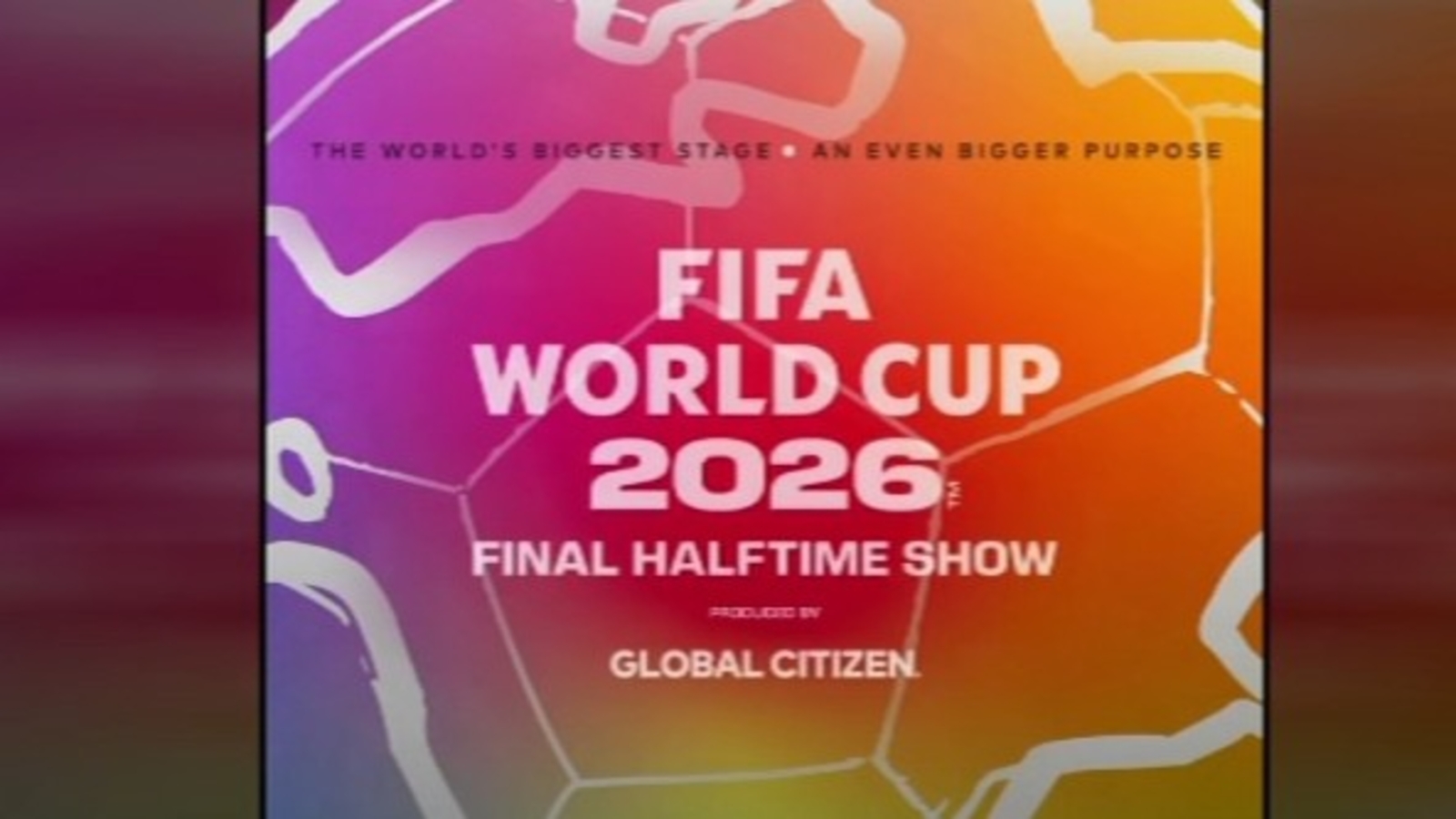
For the first time in its storied history, the world cup final halftime show is set to make a grand entrance on the global stage. FIFA has officially confirmed that the 2026 World Cup final will feature a Super Bowl-style halftime concert headlined by three of the most iconic names in entertainment , Madonna, Shakira, and the global K-pop phenomenon BTS. This unprecedented fusion of football and live music promises to redefine what fans expect from the world’s most-watched sporting event.
FIFA Breaks New Ground with Halftime Spectacle
The announcement marks a dramatic shift in how the governing body of international soccer approaches its marquee tournament. Historically, soccer has kept halftime breaks reserved for tactical adjustments, locker room talks, and brief rest periods. However, FIFA’s decision to introduce a dedicated entertainment production signals a deliberate effort to compete with , and arguably surpass , the cultural footprint of American football’s biggest night.
FIFA President Gianni Infantino has championed the initiative, emphasizing both entertainment value and social impact. In a statement shared on social media, Infantino articulated his vision of bringing “music and football on the biggest stage in sport for a very special cause.” His message underscored the dual purpose of the show: dazzling global audiences while raising meaningful support for children in need.
A Star-Studded Lineup Like Never Before
The selection of headliners represents a deliberate blend of generations, genres, and continents:
- Madonna , The Queen of Pop brings decades of stadium-filling experience and an unmatched ability to captivate massive audiences with theatrical precision.
- Shakira , A veteran of previous World Cup performances, the Colombian superstar already enjoys legendary status among football fans worldwide thanks to her 2010 and 2014 tournament anthems.
- BTS , The seven-member South Korean group commands one of the most passionate fan bases on the planet, and their presence signals FIFA’s intent to engage younger audiences and Asian markets.
Together, this trio represents more than 100 years of combined musical influence. Their collaboration on a single stage is being described by entertainment analysts as one of the most ambitious live music productions ever assembled for a sporting event.
Chris Martin Takes the Curator’s Reins
Overseeing this monumental production is Chris Martin, the frontman of Coldplay and one of the most respected creative minds in modern music. Martin was tapped by FIFA to serve as the show’s curator , a role that involves shaping the overall artistic direction, coordinating performances, and ensuring a cohesive narrative across the multi-act spectacle.
Martin’s involvement carries significant weight. Coldplay’s own headlining performances have been celebrated for their emotional depth, environmental messaging, and stadium-scale innovation. His sensibility is expected to bring a unifying thread to a show that could otherwise feel fragmented when bridging artists from such diverse musical worlds.
Industry insiders suggest Martin has been working closely with each headliner’s team for months, planning logistics, set design, and potential collaborations between the artists. Whether this results in joint on-stage moments remains one of the most closely guarded secrets leading up to the event.
The Cause Behind the Concert
Beyond the spectacle, the world cup final halftime show carries a powerful humanitarian mission. All proceeds and fundraising efforts tied to the event will support the FIFA Global Citizen Education Fund, an ambitious initiative aiming to raise $100 million to expand educational and soccer opportunities for children around the world.
Why This Initiative Matters
Global Citizen, the international advocacy organization co-founding the fund, has long used entertainment as a vehicle for social change. The partnership with FIFA represents one of the largest corporate-charity collaborations in recent memory. The fund’s stated goals include:
- Building and refurbishing schools in underserved regions
- Providing scholarships for children from low-income families
- Funding grassroots soccer programs that use sport as an educational tool
- Training teachers and coaches in communities that lack adequate infrastructure
Infantino has been particularly vocal about the educational component, declaring that “every child should have the opportunity to dream, and together we can help make that possible.” His words frame the concert not merely as entertainment but as a catalyst for lasting global change.
Lessons from the Super Bowl Model
For decades, the Super Bowl halftime show has been the gold standard for live entertainment tied to sporting events. Performances by Michael Jackson, Prince, Paul McCartney, the Rolling Stones, Bruce Springsteen, and Rihanna have produced some of television’s most iconic moments. Most recently, Puerto Rican superstar Bad Bunny headlined the showcase, demonstrating the show’s continued ability to draw massive global audiences.
FIFA appears to be borrowing liberally from this playbook , but with important distinctions. While the Super Bowl halftime show is a primarily American phenomenon, the World Cup reaches a far more diverse global audience. This expanded reach gives the world cup final halftime show potential to eclipse even the Super Bowl in raw viewership numbers.
Entertainment executives estimate that the 2026 final broadcast could attract between two and three billion viewers across digital and traditional platforms. A halftime performance that captures even a fraction of this audience creates unmatched promotional value for the artists involved and unmatched fundraising potential for the associated charity.
Soccer’s Limited Halftime Tradition
Unlike American football, soccer has traditionally avoided formal halftime entertainment. The standard 15-minute interval is treated as a critical tactical window where coaches deliver instructions, players rehydrate, and adjustments are made to strategy. Most major soccer competitions , including domestic leagues and continental tournaments , maintain this convention.
Some tournaments, however, have experimented with pre-match concerts. The UEFA Champions League final, widely considered club soccer’s biggest stage, regularly features a high-profile artist performing before kickoff. This year’s edition, scheduled for Budapest and contested between Paris Saint-Germain and Arsenal, will feature The Killers in that pre-match slot.
FIFA’s decision to move entertainment into the halftime interval , rather than before the match , represents a bolder, more disruptive choice. By keeping the concert within the broadcast window, FIFA maximizes viewer retention and creates a built-in moment of shared global experience.
The Venue: MetLife Stadium Takes Center Stage
All of this will unfold inside MetLife Stadium in East Rutherford, New Jersey, one of the most technologically advanced and architecturally impressive venues in North America. With a seating capacity exceeding 82,000, the stadium offers the scale necessary to accommodate the production demands of a multi-act, global broadcast event.
The New York metropolitan location is also strategic. The region’s infrastructure , including extensive transit options, international airports, and accommodation , makes it accessible to media crews, fans, and performers traveling from across the world. Local transit authorities have already begun adjusting services and pricing to accommodate the expected surge in visitors.
Beyond logistics, MetLife carries symbolic weight. As a stadium shared by two NFL franchises, it represents the bridge between American football culture and FIFA’s broader soccer vision , a fitting setting for a halftime show designed to merge two entertainment traditions.
What This Means for the Future of Soccer Entertainment
The introduction of the world cup final halftime show may be the beginning of a broader transformation. If the 2026 production succeeds , both in entertainment value and fundraising outcomes , FIFA will face mounting pressure to formalize the tradition for future tournaments. Potential developments could include:
- Halftime performances at semifinal matches and other high-profile fixtures
- Expanded artist lineups featuring regional performers at different tournament stages
- Year-round entertainment programming tied to FIFA’s global calendar
- New sponsorship categories centered on the halftime experience
For artists, agents, and entertainment companies, the world cup final halftime show represents an emerging commercial frontier. Unlike the Super Bowl, which is dominated by a single sponsor structure, FIFA’s international model offers broader creative and partnership opportunities.
Final Thoughts
The 2026 World Cup final is shaping up to be far more than a championship soccer match. With Madonna, Shakira, and BTS sharing a stage curated by Chris Martin , and with every beat of the show fueling the FIFA Global Citizen Education Fund , the event represents a powerful convergence of sport, music, and humanitarian purpose. As July 19 approaches, anticipation will only intensify. Fans worldwide are not simply preparing to watch a football match; they are preparing to witness a cultural milestone that could redefine how the world experiences the beautiful game. Whether this halftime show becomes an enduring tradition or remains a singular moment in FIFA history, one thing is certain: the world cup final halftime show has already secured its place in the conversation about the most ambitious live entertainment events ever staged.