
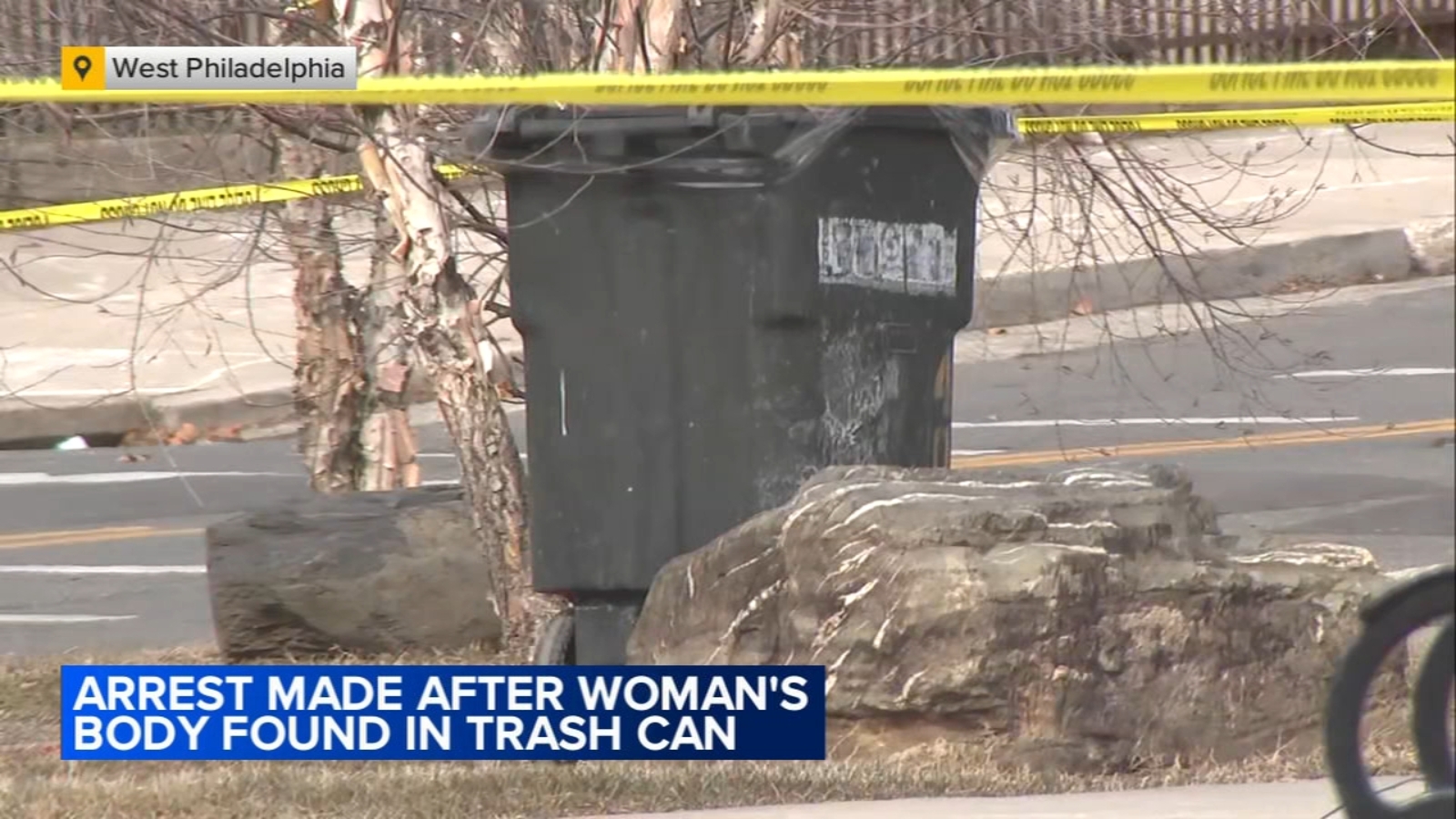
When news broke that a woman found dead in a trash can in West Philadelphia sent shockwaves through the community, it quickly became one of the most haunting homicide investigations the city has faced this year. The grim discovery on January 30 prompted an intensive police investigation that ultimately led authorities to an arrest weeks later. The case has since raised pressing questions about public safety, the vulnerability of victims, and the relentless work of Philadelphia detectives pursuing justice.
In this comprehensive breakdown, we’ll walk through the timeline of events, share what is currently known about the victim and the suspect, examine how the arrest came about, and explore what this tragic case reveals about the broader challenges facing Philadelphia neighborhoods.
The Grisly Discovery in West Philadelphia
On the morning of January 30, residents of the 700 block of North 47th Street were confronted with a horrifying scene. At approximately 9:42 a.m., the body of 54-year-old Deborah Leatherberry was discovered in a trash receptacle. The circumstances surrounding her death immediately drew the attention of homicide detectives and quickly made headlines as a woman found dead in a trash can case that underscored the violence plaguing parts of Philadelphia.
According to investigators, Leatherberry died from a single gunshot wound to the left temple. The manner of death , combined with the location in which she was found , pointed toward a deliberate act of violence rather than an accidental or undetermined cause. The medical examiner’s findings became a critical piece of evidence in what would evolve into a murder case.
The Victim: Remembering Deborah Leatherberry
Deborah Leatherberry, 54, was more than just a name in a police report. She was a member of the West Philadelphia community, and her loss has left family members, friends, and neighbors searching for answers. The community’s grief in the wake of her death highlights a recurring theme in cases involving vulnerable individuals who become victims of violent crime.
While authorities have not publicly released extensive personal details about Leatherberry’s life, the tragic circumstances of her death have prompted conversations about how communities can better protect residents who may be at heightened risk. Her case is a sobering reminder that homicide does not discriminate , it can touch anyone, regardless of age, background, or neighborhood.
The Arrest of Ricardo Ponds
After weeks of investigation, the Philadelphia Police Department , working in coordination with SEPTA police , made a significant breakthrough. On a Wednesday evening, SEPTA police officers located and arrested Ricardo Ponds, 61, of the 400 block of Lancaster Avenue, at the intersection of 15th and Market streets.
Ponds was taken into custody without incident and subsequently charged with murder and related offenses. The arrest marked a major milestone in a case that had gripped the city since the day a woman found dead in a trash can first made headlines.
How the Investigation Unfolded
Philadelphia homicide investigations are complex endeavors that involve canvassing neighborhoods, collecting forensic evidence, interviewing witnesses, and reviewing surveillance footage. In cases like this one, detectives often work closely with specialized units and partner agencies to piece together the events leading up to a victim’s death.
The collaboration between the Philadelphia Police Department and SEPTA police proved pivotal in locating the suspect. Transit police officers, who routinely patrol some of the busiest corridors in the city, were able to identify and apprehend Ponds at a major downtown intersection. This kind of interagency cooperation has become an increasingly important tool in addressing violent crime in urban centers.
Outstanding Questions About Motive
At the time of the arrest, authorities had not publicly disclosed a motive for the killing. Investigators typically withhold certain details during the early stages of prosecution to protect the integrity of the case and ensure a fair trial. As the legal process unfolds, more information about the relationship between the victim and suspect, as well as the circumstances surrounding the shooting, may come to light.
Prosecutors will need to establish a clear narrative for jurors, detailing how and why the crime occurred. Meanwhile, defense attorneys will scrutinize every piece of evidence presented. The absence of an announced motive does not preclude a successful prosecution, but it does leave the public with lingering questions that only the courtroom may eventually answer.
The Broader Context: Violence in Philadelphia
Tragic cases like the one involving Deborah Leatherberry are not isolated incidents. Philadelphia, like many major American cities, continues to grapple with the persistent challenge of gun violence. Each homicide arrest represents both a step toward justice for the victim and a small victory in the larger battle against crime.
Gun-related deaths have been a persistent concern for city leaders, law enforcement, and community advocates. The use of a firearm in this case , a gunshot wound to the head , aligns with a troubling pattern in which firearms are the weapon of choice in a significant percentage of homicides. Addressing this issue requires a multifaceted approach that includes law enforcement, community engagement, social services, and policy reform.
Community Impact and Public Safety Concerns
When a body is discovered in such a public manner , left in a trash receptacle on a residential street , the ripple effects extend far beyond the immediate victim and their family. Neighbors are left feeling unsafe, businesses may suffer from reduced foot traffic, and residents often demand answers from local officials about what is being done to protect them.
In the days following the discovery, residents of the 700 block of N. 47th Street likely faced an unsettling reality: violent crime had occurred in their immediate vicinity. Public meetings, community vigils, and increased police presence often follow such events, serving both as a form of healing and a visible demonstration of law enforcement’s commitment to public safety.
The Role of Forensic Evidence
Cases involving gunshot wounds rely heavily on forensic science. Ballistics experts can often match bullets to specific weapons, and the location and trajectory of a wound can provide critical insights into the circumstances of death. In the Leatherberry case, the medical examiner’s determination that the wound was to the left temple provided key information that helped frame the investigation.
Modern homicide investigations also leverage surveillance video, cell phone records, and DNA evidence to build comprehensive cases. While the Philadelphia Police Department has not publicly disclosed every piece of evidence used to secure the arrest of Ricardo Ponds, the successful identification of a suspect suggests that investigators gathered enough information to move forward with criminal charges.
What Happens Next in the Case
With Ricardo Ponds now in custody and charged with murder and related offenses, the case will proceed through the Philadelphia criminal justice system. Key upcoming milestones will likely include:
- Arraignment: Ponds will be formally arraigned, at which time he will enter a plea and the court will set conditions for his detention or bail.
- Preliminary hearing: Prosecutors will present evidence to a judge to determine whether there is sufficient probable cause to proceed to trial.
- Discovery and pre-trial motions: Both the prosecution and defense will exchange evidence and file motions that may shape the trial proceedings.
- Trial: If the case proceeds to trial, a jury will hear testimony and examine evidence before reaching a verdict.
Family members of Deborah Leatherberry will have the opportunity to follow the case closely and, in many instances, provide victim impact statements during sentencing. Their pursuit of justice is an important part of the healing process and a fundamental aspect of the criminal justice system.
Honoring Victims While Pursuing Accountability
The arrest of Ricardo Ponds offers a measure of accountability for the death of Deborah Leatherberry, but it does not undo the harm done. Communities across Philadelphia , and indeed across the nation , continue to grapple with how best to honor victims of violent crime while also working to prevent future tragedies.
Advocates consistently emphasize the importance of supporting victims’ families, investing in violence prevention programs, and addressing the root causes of crime. Cases that capture public attention, like the one involving a woman found dead in a trash can in West Philadelphia, can serve as catalysts for broader conversations about how cities protect their most at-risk citizens.
Conclusion
The arrest of Ricardo Ponds in connection with the death of Deborah Leatherberry represents a significant development in a case that has deeply affected the West Philadelphia community. From the shocking discovery of a woman found dead in a trash can on January 30 to the coordinated arrest weeks later by SEPTA police, this case illustrates both the horror of gun violence and the determination of law enforcement to pursue justice.
As the legal process moves forward, Philadelphians will be watching closely. The outcome of this case will not bring Deborah Leatherberry back, but it may provide her loved ones with a sense of closure and reinforce the principle that violent crime carries serious consequences. In the meantime, the city continues its ongoing work to address the complex factors that contribute to homicide , and to build safer neighborhoods for all who call Philadelphia home.