
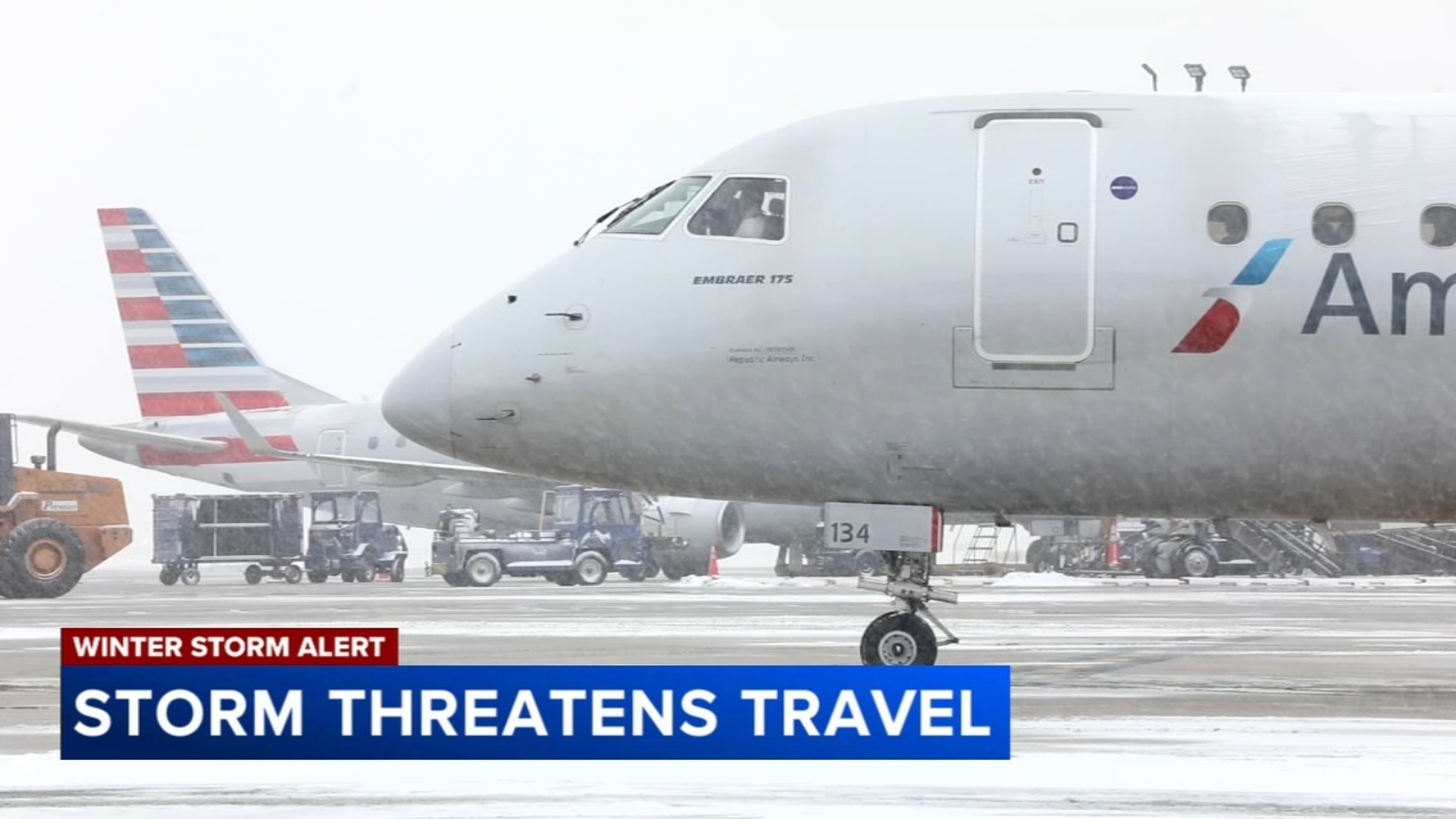
If you have a trip on the calendar this weekend, now is the time to pay attention. A powerful winter storm is barreling across a huge section of the country, and it could impact an estimated 225 million people. With snow and ice in the forecast, winter storm travel cancellations are practically inevitable, and the ripple effect could ground flights well beyond the immediate storm zone. Before the snow starts falling, here’s your comprehensive game plan for protecting your itinerary, your wallet, and your personal data.
Why Winter Storms Create Such a Mess for Travelers
Even when a storm only directly hits a handful of states, the aviation network feels the consequences far and wide. A single grounded aircraft can delay crew assignments, throw off gate availability, and cascade into missed connections hundreds of miles from the actual weather. That is why experts say travelers should not wait to act.
“If you have travel plans this weekend, you should seriously consider making a change right now,” advised travel expert Katy Nastro with Going. Waiting until the first cancellations appear usually means competing with thousands of other passengers for the few remaining seats on alternate flights.
The Domino Effect on Air Travel
Major carriers, including American Airlines, have already begun issuing travel waivers for customers scheduled to fly through more than 30 airports between Friday and Sunday. These waivers are your golden ticket out of a potentially miserable situation, but only if you use them in time.
Understanding Airline Travel Waivers
A travel waiver is an exception to an airline’s standard rules. Normally, changing a non-refundable ticket comes with a change fee that can run anywhere from $75 to $500 or more. During a weather event, however, carriers often waive those fees for affected routes.
With a waiver in place, you typically have three options:
- Rebook your flight without paying a change fee or penalty
- Cancel your flight in exchange for a refund back to your original form of payment
- Cancel for credit that you can apply to a future trip, usually within 12 months
Major hub airports are almost always included in these waivers, so even if your origin and destination cities are sunny, you may still qualify if your route passes through a weather-affected hub. Always check the airline’s official website or app for the most up-to-date list of eligible airports.
The Reality of Federal Protections
Here is something many travelers do not realize: federal regulations offer very little protection when weather is to blame. Unlike situations involving mechanical issues or overbooked flights, weather-related flight cancellations fall outside the scope of most passenger rights laws.
“Unfortunately, weather is one of those circumstances where travelers are really left uncovered by federal regulation,” Nastro explained. Airlines are not legally required to provide compensation for hotels, meals, or other costs you might incur when a storm forces you to stay put longer than planned.
Travel Insurance: Read Before You Need It
If you purchased travel insurance for your trip, you may have a safety net, but you need to read the fine print before assuming you are covered. Policies vary dramatically, and some specifically exclude weather-related disruptions.
What to look for in your policy:
- Trip interruption coverage , reimburses you for the unused portion of your trip if you have to cut it short
- Trip delay coverage , kicks in after a certain number of hours (often 6 to 12) and covers meals, lodging, and transportation
- Cancel for any reason (CFAR) , the most flexible option, though it typically only reimburses 50% to 75% of your costs
Pay close attention to documentation requirements. Most insurers will require receipts for any expenses you want to claim, so start a folder the moment a delay is announced.
Credit Card Travel Protections
Many travelers do not realize their credit cards might offer some level of trip disruption coverage. Premium travel cards frequently include benefits like reimbursement for a hotel night, meals during extended delays, or even emergency transportation.
“The terminology you want to look for is ‘trip disruption,'” Nastro noted. Pull out your wallet, find the customer service number on the back of the card you used to book your trip, and call to confirm what is covered before you need to use it.
Smart Strategies for Rebooking Flights
When flight cancellations pile up, the best seats on the best flights vanish quickly. Having a strategy in place ahead of time can save you hours of frustration.
Proactive Rebooking Beats Reactive Booking
Do not wait for an official cancellation notice. If a waiver has been issued for your route and the forecast looks grim, proactively rebooking on a flight that departs a day earlier or later is often the smartest move. Airlines rarely charge a fee for changes within the waiver window, and you get first pick of available seats before everyone else scrambles.
Download All the Apps Before You Leave
This is one of the most overlooked travel tips, and it can make the difference between getting home on time and spending an extra night at the airport. Download the apps for every major airline, not just the one you are flying. If your carrier has no alternative routes available, you can quickly check whether a competitor has seats that work.
Watch Out for Travel Scams
Whenever travel chaos strikes, scammers come out of the woodwork looking to take advantage of stressed-out passengers. Staying vigilant is just as important as staying warm.
Bogus “Priority Rebooking” Texts and Emails
One of the most common schemes involves criminals impersonating airlines and sending fake texts or emails promising “priority rebooking” if you click a link. These phishing messages often look surprisingly legitimate, complete with logos and flight details scraped from public records.
“If you get these kinds of text messages or emails, you should first make sure it is the legitimate sender,” warned Matas Cenys with NordVPN. The safest approach is to close the message entirely and go directly to the airline’s official app or website by typing the address yourself.
Protect Your Data on Public Wi-Fi
Airports are full of free Wi-Fi networks, and they are also full of hackers waiting to intercept your data. During a storm-related delay, you might be tempted to log onto the airport network to start rebooking, but doing so could expose your passwords, credit card numbers, and personal information.
Stick to cellular data whenever possible. If you absolutely must use public Wi-Fi, add a layer of protection with a virtual private network (VPN), which encrypts your traffic and makes it far harder for anyone to snoop on your activity.
A Pre-Storm Checklist for Travelers
Before the flakes start falling, run through this quick list to make sure you are prepared:
- Check the waiver list on your airline’s website and confirm your flights are covered
- Download airline apps for your carrier plus at least two competitors
- Save your confirmation numbers in a note on your phone in case you lose internet access
- Verify your travel insurance coverage and keep your policy number handy
- Call your credit card company to confirm trip disruption benefits
- Install a VPN on your phone before you head to the airport
- Pack essentials in your carry-on including medications, chargers, snacks, and a change of clothes
- Identify backup flight options now, while seats are still available
When the Storm Actually Hits
Even with the best preparation, you may still find yourself stranded. If that happens, stay calm and remember a few key things. Document everything from the moment a delay is announced. Screenshot flight status pages, save receipts for every meal and any lodging you book, and keep notes about the timeline of events. These records will be essential if you need to file an insurance claim or dispute a charge.
Be polite but persistent with airline staff. Gate agents have enormous power to help you, but they are also overwhelmed during weather events. A calm, prepared traveler who knows exactly what they need is far more likely to get a positive outcome than someone shouting and waving their phone.
Finally, remember that winter storm travel cancellations are disruptive but temporary. The vast majority of passengers do eventually reach their destinations, often with the help of the waivers and protections their airlines have put in place. By acting now, before the snow starts and the scramble begins, you can stay one step ahead of the storm and keep your trip on track.