
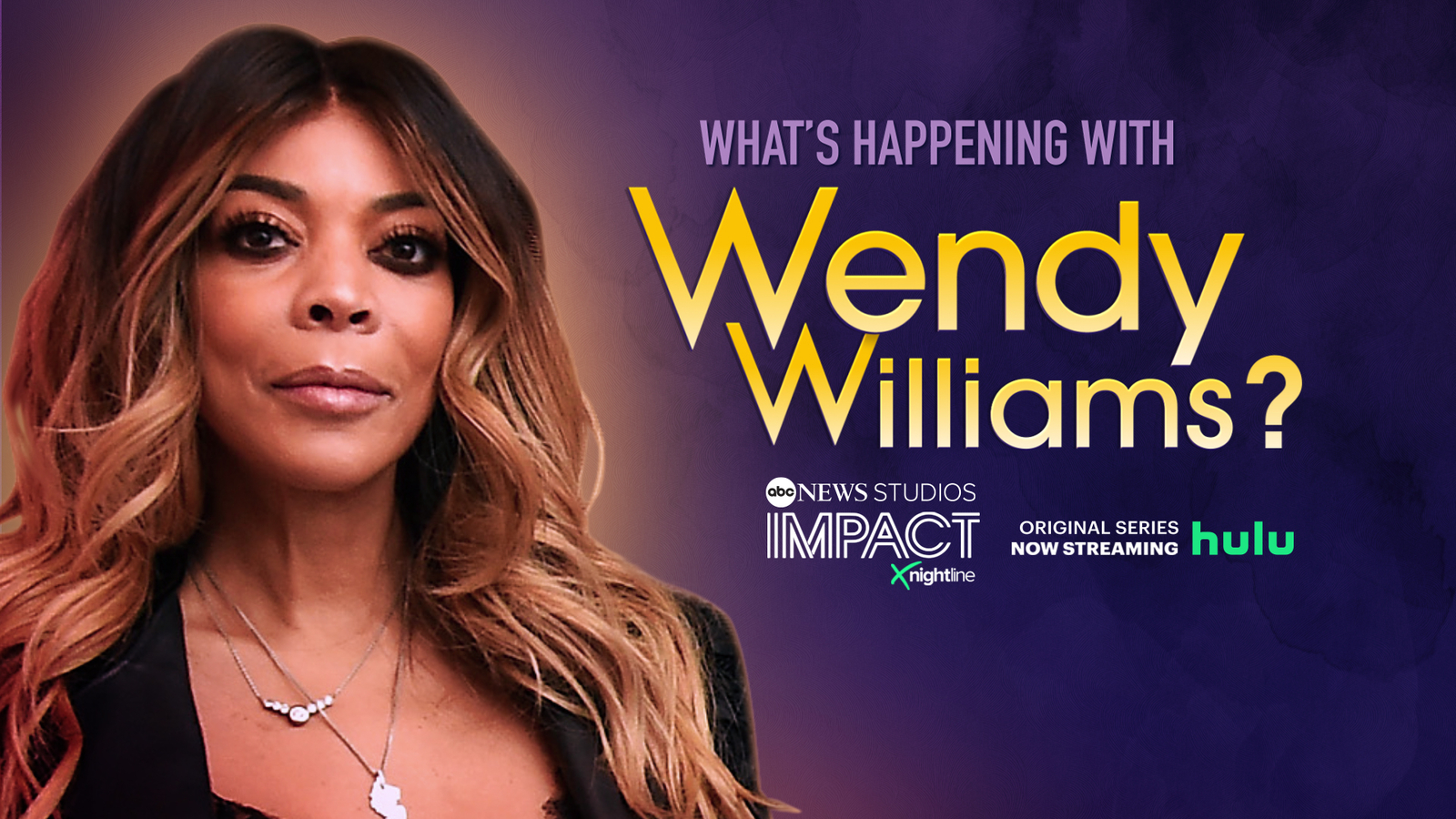
After months of speculation and concern from fans worldwide, Wendy Williams has finally broken her silence on her guardianship in a raw, emotional interview that has captivated audiences across the country. The former talk show queen, who has been largely absent from the public eye, sat down to share her perspective on the court-appointed guardianship that has controlled her life, her controversial dementia diagnosis, and the conditions inside the memory care facility where she currently resides. The revelations, broadcast in a special episode of “IMPACT x Nightline,” have sparked nationwide conversations about celebrity conservatorships, mental health, and personal autonomy.
The “IMPACT x Nightline” Special: What’s Happening with Wendy Williams?
The Hulu-streaming documentary, titled “IMPACT x Nightline: What’s Happening with Wendy Williams?”, is led by ABC News veteran Byron Pitts, who conducted the deeply personal interviews featured throughout the episode. The production brought together a remarkable lineup of voices, including Williams herself, her brother Tommy Williams, longtime friends Sunny Hostin and Jason Lee, former colleagues, and legal and healthcare professionals who have followed her case closely.
According to ABC News Studios, the episode takes viewers inside Williams’s current reality, exploring her court-appointed guardianship, her dementia diagnosis, and her life within the memory unit of a healthcare facility. Perhaps most notably, the documentary dives deep into her case as her legal guardian publicly calls for her to be reevaluated, raising significant questions about the legitimacy and duration of the arrangement.
Wendy Williams Denies Her Dementia Diagnosis
One of the most powerful moments of the entire documentary comes when Byron Pitts directly asks Williams whether she believes she has dementia. Her response was immediate, emotional, and at times heartbreaking.
“No. That’s what I’ve been accused of, believe it or not,” Williams replied. “Frontotemporal dementia? How dare you? And I’m not saying you, because I’ve been accused of having that.”
Williams went on to express her frustration with the conditions under which she has been evaluated, suggesting that the environment itself makes it impossible to prove her mental clarity. Her vivid description of daily life behind locked doors painted a stark picture of her restricted existence.
“And how do you prove it by keeping me locked here, so that you can’t, I can’t see, look. I can’t go out. You have to have keys to open the door, to hit the elevator, to go downstairs. Keys! I’m telling you, this is like, this is like being prison,” Williams stated passionately.
This raw testimony from Williams herself raises fundamental questions about how wendy williams guardianship arrangements are structured, particularly when the individual under guardianship disputes the medical findings that may have justified the arrangement in the first place.
Understanding Court-Appointed Guardianship
For many viewers unfamiliar with the legal intricacies of such arrangements, a court-appointed guardianship is a legal mechanism in which a judge assigns decision-making authority over another person’s personal, medical, or financial affairs to a designated guardian. These arrangements are typically established when an individual is deemed unable to make sound decisions on their own behalf, often due to age, illness, or disability.
However, guardianship cases involving high-profile figures have historically drawn scrutiny, particularly when the person under guardianship publicly disputes the arrangement. The Williams case bears similarities to other high-profile conservatorship battles that have played out in recent years, raising important questions about:
- The threshold for establishing guardianship , What medical and legal standards must be met?
- Due process and the right to be heard , How much weight is given to the ward’s own testimony?
- Reevaluation procedures , How often should guardianships be reviewed for continued necessity?
- Quality of life within care facilities , What protections exist for individuals living in memory units?
The Call for Reevaluation
One of the most significant developments in the documentary is the disclosure that Williams’s own guardian is calling for her to be reevaluated. While the details surrounding this request remain a focal point of public interest, this announcement suggests that even those currently overseeing her care may have questions about whether the existing arrangement continues to serve her best interests.
This twist adds an important layer to the ongoing discussion about wendy williams dementia diagnosis. If her legal guardian is willing to seek additional medical evaluation, it indicates that the case may be far from settled, and that new information could potentially alter the trajectory of her guardianship entirely.
What Is Frontotemporal Dementia?
Throughout the documentary, Williams specifically mentions being accused of having frontotemporal dementia (FTD), a less commonly discussed but serious form of dementia that affects the frontal and temporal lobes of the brain. Unlike Alzheimer’s disease, which primarily impacts memory, FTD typically affects personality, behavior, language, and decision-making abilities.
Symptoms of frontotemporal dementia can include:
- Significant changes in personality and behavior
- Loss of empathy or social awareness
- Compulsive or repetitive behaviors
- Difficulty with language and communication
- Impaired judgment and decision-making
Williams’s denial of the diagnosis, combined with her own assessment of her mental clarity, complicates the public narrative. While she acknowledges being “accused” of having FTD, her strong emotional responses and articulate communication during the interview have prompted many viewers and commentators to question whether the diagnosis accurately reflects her current condition.
The Role of Family and Friends
The documentary also features conversations with individuals who have known Williams for years, offering both personal and professional perspectives on her situation. Her brother Tommy Williams, in particular, brings a familial perspective that adds emotional depth to the narrative. Longtime friends Sunny Hostin and Jason Lee contribute their own observations, painting a multi-dimensional portrait of a woman whose public persona has long been shaped by her bold, unfiltered personality.
These supporting voices are crucial to understanding the broader context of wendy williams guardianship, as they help viewers distinguish between the woman they have known personally and the version of Wendy presented through legal and medical channels. The contrast between her public statements and her private interviews may become a central piece of any future legal challenges to her guardianship.
What This Means Going Forward
The release of this documentary represents a pivotal moment not just for Williams personally, but for the broader conversation about how society handles guardianship cases , particularly those involving public figures. Several key outcomes may emerge from this increased public attention:
- Greater legal scrutiny of her specific guardianship arrangement
- Increased public awareness about the rights of individuals under guardianship
- Renewed calls for guardianship reform across multiple states
- A potential reevaluation of her medical diagnosis by independent specialists
For Williams herself, breaking her silence represents an act of agency in a situation where much of her autonomy has reportedly been limited. By speaking directly to viewers through the documentary, she has reclaimed a measure of her voice and brought her story directly to the public.
How to Watch the Documentary
“IMPACT x Nightline: What’s Happening with Wendy Williams?” is currently streaming on Hulu, making it accessible to subscribers nationwide. The episode is part of ABC News Studios’ broader “IMPACT x Nightline” programming, which focuses on untold stories and in-depth investigations into issues affecting public figures and broader cultural conversations.
The Walt Disney Company, the parent company of Hulu, ABC News Studios, and ABC television stations, continues to provide coverage of this evolving story. As new developments emerge, additional episodes and updates are likely to follow.
Final Thoughts
The revelations in this documentary mark a turning point in one of the most talked-about guardianship cases in recent memory. By openly discussing her wendy williams guardianship, denying her dementia diagnosis, and describing the conditions of her confinement, Williams has forced a national reckoning with how we treat individuals under court-appointed care. Whether the upcoming reevaluation leads to changes in her guardianship status remains to be seen, but one thing is certain , Wendy Williams has made her voice heard, and the world is listening.