
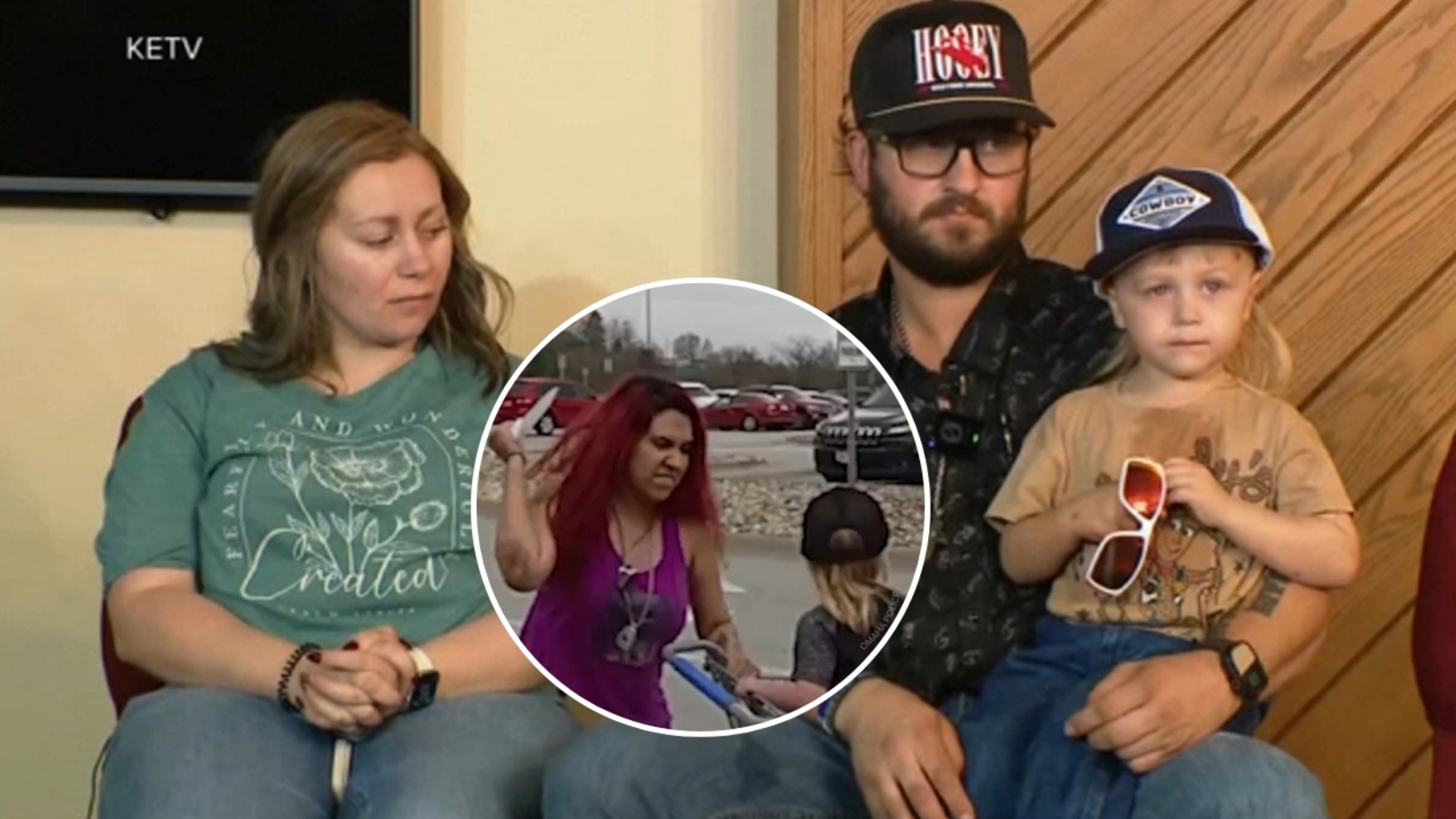
A harrowing Walmart kidnapping attempt in Omaha, Nebraska has left a family traumatized and raised serious questions about retail store security protocols. On Tuesday, a 31-year-old woman allegedly armed with a stolen kitchen knife attempted to abduct a 3-year-old boy from inside the store, slashing the toddler’s face and hand before police fatally shot the suspect in a tense confrontation.
The incident, which has since drawn national attention, highlights the terrifying vulnerability families can face even in seemingly routine shopping trips. It also underscores an ongoing debate about loss prevention strategies at major retailers and whether those priorities sometimes overshadow customer safety.
What Happened Inside the Walmart
According to the Omaha Police Department, the woman identified as 31-year-old Noemi Guzman entered the Walmart and stole a large kitchen knife from the store’s inventory. She then allegedly grabbed a shopping cart containing the toddler and attempted to flee the premises with the child.
Witnesses reported that the suspect moved from the back of the store toward the front doors while holding two people at knifepoint, creating a nightmare scenario for everyone inside. Officers who were already at or near the location confronted Guzman and repeatedly ordered her to drop the weapon.
When Guzman refused and allegedly slashed the 3-year-old boy, officers opened fire, killing the suspect at the scene. The child, identified as Cyler Hillman, was rushed to a nearby hospital with cuts to his face and hand. The young victim has since been released and is recovering at home with his family.
The Mother’s Account
Cyler’s mother, Sara Hillman, spoke with local ABC affiliate KETV about the terrifying ordeal and the emotional aftermath. She described the past few days as “rough,” burdened by the haunting “what ifs” of how the incident could have unfolded even more tragically.
The family is particularly shaken by the thought of how close the situation came to ending in the death of their son. Sara expressed frustration that the alleged assailant was able to navigate from the back of the store to the front entrance without intervention, all while wielding a stolen knife and holding hostages.
The Father’s Perspective
Cyler’s father, Casey Hillman, was heading to a job interview when he received the devastating phone call from an officer riding in the ambulance with his wounded son. The emotional weight of that moment was evident as Casey recounted rushing to the hospital.
“One of the officers involved, she told me what happened, and I just held the kid and started crying right there, I mean, that’s all I could do.”
Casey credited the quick actions of responding officers with saving Cyler’s life, noting that had police not intervened when they did, or had the knife struck just slightly lower, his son might not have survived. The father expressed deep gratitude for the officers’ decisive response during such a dangerous knife kidnapping attempt.
Questions About Store Responsibility
In the days following the attack, the Hillman family has voiced serious concerns about Walmart’s security measures and loss prevention priorities. Sara Hillman pointedly questioned why the retailer, known for its aggressive anti-theft policies, failed to detect or prevent the theft of a large kitchen knife.
She drew a stark contrast between how Walmart typically responds to minor shoplifting incidents versus what occurred during this attack. According to Sara, the store’s usual response to suspected theft is swift and aggressive, yet a woman was allegedly able to steal a weapon and move freely through the store with hostages.
Retail Security Under Scrutiny
The incident has sparked broader conversations about retail security protocols in large big-box stores. Critics argue that many major retailers invest heavily in preventing financial losses from shoplifting while underinvesting in customer safety measures such as visible security personnel, bag checks, and weapons detection systems.
The Hillmans’ experience suggests a potential gap in security measures, particularly when it comes to high-risk items like knives. Many stores place such items behind locked displays or use electronic article surveillance tags, but the source content indicates that Guzman was able to access and steal the knife without apparent resistance.
- Locked display cases for sharp weapons
- RFID and EAS tags on high-theft merchandise
- Visible security personnel throughout the store
- Emergency communication systems for rapid staff alerts
- Customer counting systems to monitor occupancy and behavior patterns
While none of these measures could have guaranteed the prevention of this specific incident, they represent common tools in modern retail loss prevention. The family’s public statements suggest they believe more could have been done.
The Broader Context of Walmart Violence
Unfortunately, violent incidents at Walmart stores are not unprecedented. The retail giant, as one of the largest employers and most frequented retailers in the United States, inevitably becomes the backdrop for a wide range of criminal activities. From mass shootings to violent assaults, the chain has experienced numerous high-profile incidents over the years.
Each of these events typically reignites debates about corporate responsibility, the presence of security personnel, and the role of retail environments in community safety. The Omaha incident is particularly disturbing due to the involvement of a young child and the brazen nature of the attempted abduction.
Impact on Children and Families
The psychological toll on young victims of violent crime can be profound and long-lasting. According to Casey’s emotional interview, Cyler is already displaying signs of trauma, telling his father that he doesn’t want to go outside because “it’s scary.” The little boy asked his dad if he would carry him whenever they left the house.
These behavioral changes are consistent with trauma responses commonly observed in young children who witness or experience violence. Recovery often requires professional counseling, family support, and a gradual rebuilding of a sense of safety in everyday environments.
For the Hillman family, the path forward will involve not only physical healing for Cyler but also emotional healing for everyone involved. The family must now navigate the difficult work of helping their son feel safe in public spaces again, including the simple act of going to a store that previously seemed routine.
Legal and Community Response
The Omaha Police Department’s response, while ending with the suspect’s death, has been credited by the family with saving their son’s life. Officers are trained to respond to active threats with deadly force when necessary, and the situation in this case met the criteria for such action given the immediate danger to a child and other hostages.
The investigation into the incident remains ongoing, though with the suspect deceased, criminal proceedings are limited. Authorities have not released information about a potential motive or whether Guzman had any prior connection to the Hillman family or to the child specifically. The case has been classified as a toddler abduction attempt that escalated into violence when police intervention was required.
What Families Can Take Away
While rare, incidents like this serve as a sobering reminder for parents about the importance of vigilance in public spaces. Some practical considerations include:
- Keeping young children within arm’s reach in crowded retail environments
- Teaching children to recognize and seek help from store employees in uniform
- Being aware of exits and emergency protocols when shopping
- Reporting suspicious behavior to store staff or law enforcement immediately
None of these precautions would have prevented the Omaha incident, as the threat emerged from within the store itself, but they represent general best practices for family safety in busy commercial environments.
Moving Forward After Tragedy
The Hillman family continues to process the traumatic experience while advocating for changes they believe could prevent similar incidents in the future. Their willingness to speak publicly about the ordeal reflects both their grief and their desire to turn personal tragedy into broader awareness about retail security gaps.
As Cyler recovers physically at home, his emotional recovery will take considerably longer. The family’s experience serves as a heartbreaking reminder that even routine family activities like grocery shopping can become dangerous in an instant, and that retail giants bear significant responsibility for the safety of everyone who walks through their doors.
This Walmart kidnapping attempt will likely prompt reviews of security protocols not only at the Omaha location but across the retailer’s many stores nationwide. Whether those reviews result in meaningful change remains to be seen, but the family’s courage in sharing their story has already contributed to an important national conversation about the balance between loss prevention and the protection of human life.