
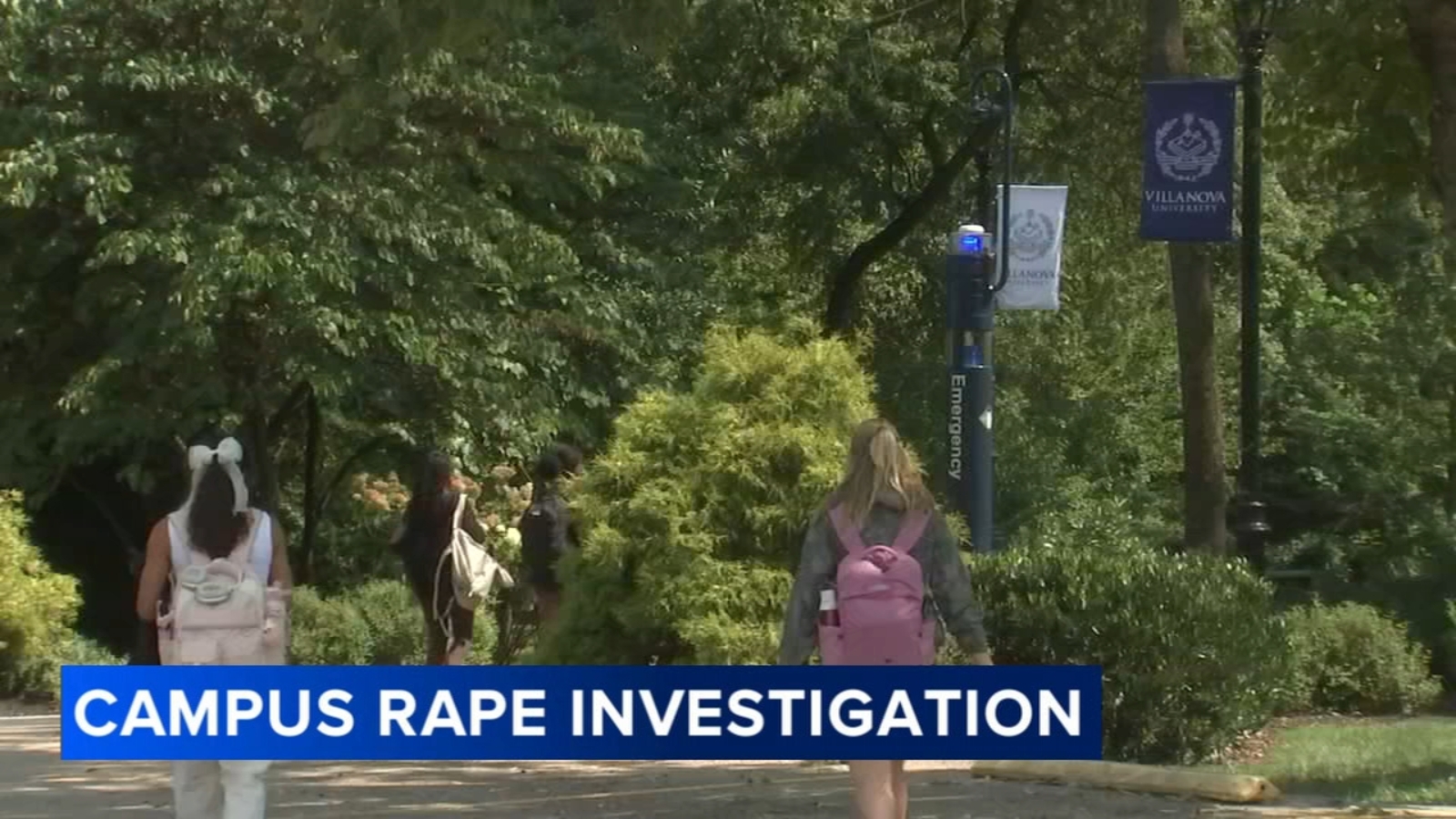
A reported sexual assault at Villanova University has prompted an active police investigation and an immediate response from campus officials. The incident, which reportedly occurred in a university residence hall over the weekend, came to light when the victim filed a report earlier this week. School administrators quickly issued a safety alert letter to the entire Villanova community, signaling the seriousness with which the institution is treating the case.
According to preliminary information released by the university, the alleged victim and the suspect are known to each other, and the suspect is not a Villanova student. This detail has been particularly significant as investigators work to piece together the events surrounding the incident, which took place in an on-campus residence hall on Saturday. The report was formally filed on Tuesday, triggering both the university alert and law enforcement involvement.
In their official communication, Villanova administrators made clear that sexual assault represents a serious violation of both university policy and the law. The school’s statement emphasized that all forms of sexual misconduct, including sexual harassment, sexual exploitation, dating and domestic violence, and stalking, are not tolerated within the campus community.
University Response and Safety Measures
Villanova’s response to the alleged sexual assault demonstrates the protocols many universities have established for handling such sensitive cases. Upon receiving the report, the institution immediately activated its notification system to inform students, faculty, and staff about the incident. This rapid communication strategy serves multiple purposes: it keeps the community informed, alerts individuals to potential safety concerns, and provides essential information about available resources.
The university has emphasized several key points in its messaging:
- Sexual assault is treated as both a criminal matter and a violation of institutional policy
- The institution maintains a zero-tolerance stance toward all forms of sexual misconduct
- Public Safety remains accessible and prepared to respond to concerning behavior
- Resources are available for prevention efforts and victim support
Public Safety officials have specifically directed community members to contact the emergency line at 610-519-4444 if they witness any concerning behavior. This direct communication channel is designed to provide immediate response capabilities and encourage community members to play an active role in maintaining campus safety.
The Role of Campus Law Enforcement
The investigation involves coordination between Villanova’s Public Safety department and local police authorities. This collaborative approach is standard in cases of reported campus sexual assault, as it ensures that both institutional and criminal justice processes can proceed effectively. Campus law enforcement typically handles initial response and investigation, while serious allegations often involve partnerships with municipal or county police agencies.
Understanding Campus Sexual Assault: A Broader Context
The reported incident at Villanova reflects a broader national conversation about sexual assault on college campuses. Statistics consistently show that college students face elevated risks of sexual violence compared to their non-student peers. According to various studies, undergraduate and graduate students experience higher rates of sexual assault than the general population, with first-year students, fraternity and sorority members, and student-athletes often identified as particularly vulnerable groups.
Sexual assault on college campuses can take many forms, including:
- Completed or attempted forced penetration
- Unwanted sexual contact
- Incidents facilitated by alcohol or drugs
- Coerced sexual activity
- Non-consensual acts committed by acquaintances or intimate partners
Research consistently shows that the majority of campus sexual assaults are committed by someone the victim knows, rather than by strangers. This pattern aligns with the circumstances reported in the Villanova case, where the victim and suspect reportedly know each other. This reality underscores the importance of education around consent and healthy relationships, even within established social circles.
The Importance of Consent Education
Consent education has become a cornerstone of prevention efforts on college campuses nationwide. Universities recognize that comprehensive prevention requires addressing cultural attitudes, promoting bystander intervention, and providing clear education about what constitutes consent. Affirmative consent policies, which require explicit agreement before sexual activity, have been adopted by many institutions as a framework for preventing sexual violence.
Resources and Support for Victims of Sexual Violence
Villanova’s communication to the campus community included information about resources designed to support those affected by sexual violence. These resources typically fall into several categories:
On-Campus Resources
Most universities maintain dedicated offices and personnel to support survivors of sexual assault. These often include:
- Title IX coordinators who oversee institutional compliance with federal civil rights laws prohibiting sex discrimination
- Counseling and mental health services that provide trauma-informed care
- Health services that can address immediate medical concerns and provide referrals
- Victim advocacy services that offer guidance through reporting processes and provide emotional support
Off-Campus Resources
National and local organizations provide additional support for survivors of sexual assault. These include crisis hotlines, advocacy organizations, legal assistance programs, and medical facilities with specialized Sexual Assault Nurse Examiner (SANE) programs. These resources are typically available regardless of whether the survivor chooses to report the incident to law enforcement.
Confidential Reporting Options
Many universities offer confidential reporting options that allow survivors to seek support without triggering formal investigations. Confidential advocates and counselors can help survivors understand their options, navigate institutional processes, and access resources while maintaining privacy. This approach recognizes that survivors have different needs and preferences when deciding how to move forward.
Prevention Strategies and Community Responsibility
Preventing sexual assault requires a comprehensive approach that engages all members of the campus community. Universities have increasingly adopted multi-faceted prevention strategies that include educational programming, policy development, environmental design considerations, and accountability measures.
Bystander Intervention Programs
Bystander intervention training has emerged as one of the most effective prevention strategies on college campuses. These programs teach community members how to recognize situations that may lead to sexual violence and provide practical tools for safely intervening. Common intervention strategies include:
- Direct confrontation when safe to do so
- Distraction techniques to defuse potentially dangerous situations
- Delegation to authorities or other community members
- Delayed intervention, such as checking in with potential victims after concerning situations
Environmental and Cultural Change
Beyond individual interventions, universities are increasingly focused on addressing the environmental and cultural factors that contribute to sexual violence. This includes examining party culture, alcohol policies, housing arrangements, and social norms that may inadvertently enable harmful behaviors. Successful prevention efforts often involve collaboration between administrators, student leaders, faculty, and community partners.
The Path Forward: Reporting, Investigation, and Healing
The investigation into the reported Villanova sexual assault will likely follow established procedures that balance the needs of the survivor, the rights of the accused, and the institution’s responsibility to maintain a safe campus environment. These investigations typically involve multiple phases, including evidence collection, witness interviews, and review of relevant policies and procedures.
For survivors of sexual assault, the decision to report represents a deeply personal choice with no single correct answer. Some survivors choose to involve law enforcement immediately, while others prefer to access support services first and consider reporting options later. Others may choose not to report at all, and institutions increasingly recognize that healing takes many forms.
Support networks play a crucial role in the recovery process for survivors of sexual violence. Friends, family, counselors, and advocates can provide essential emotional support and practical assistance. Universities have a particular responsibility to ensure that survivors have access to these support systems and that the broader community responds with compassion rather than judgment.
Conclusion
The reported sexual assault at Villanova University serves as a sobering reminder of the ongoing challenges that colleges and universities face in preventing and responding to sexual violence. While the investigation proceeds and the affected individuals receive appropriate support, this incident underscores the importance of sustained attention to campus safety, comprehensive prevention efforts, and robust resources for survivors.
Creating truly safe campus environments requires commitment from every member of the university community. Students, faculty, staff, and administrators all share responsibility for fostering cultures that do not tolerate sexual misconduct and that support those who experience violence. As investigations continue and institutions refine their approaches, the broader goal remains clear: ensuring that every member of the campus community can pursue their education in an environment free from sexual violence and supported by caring, effective response systems when incidents do occur.