
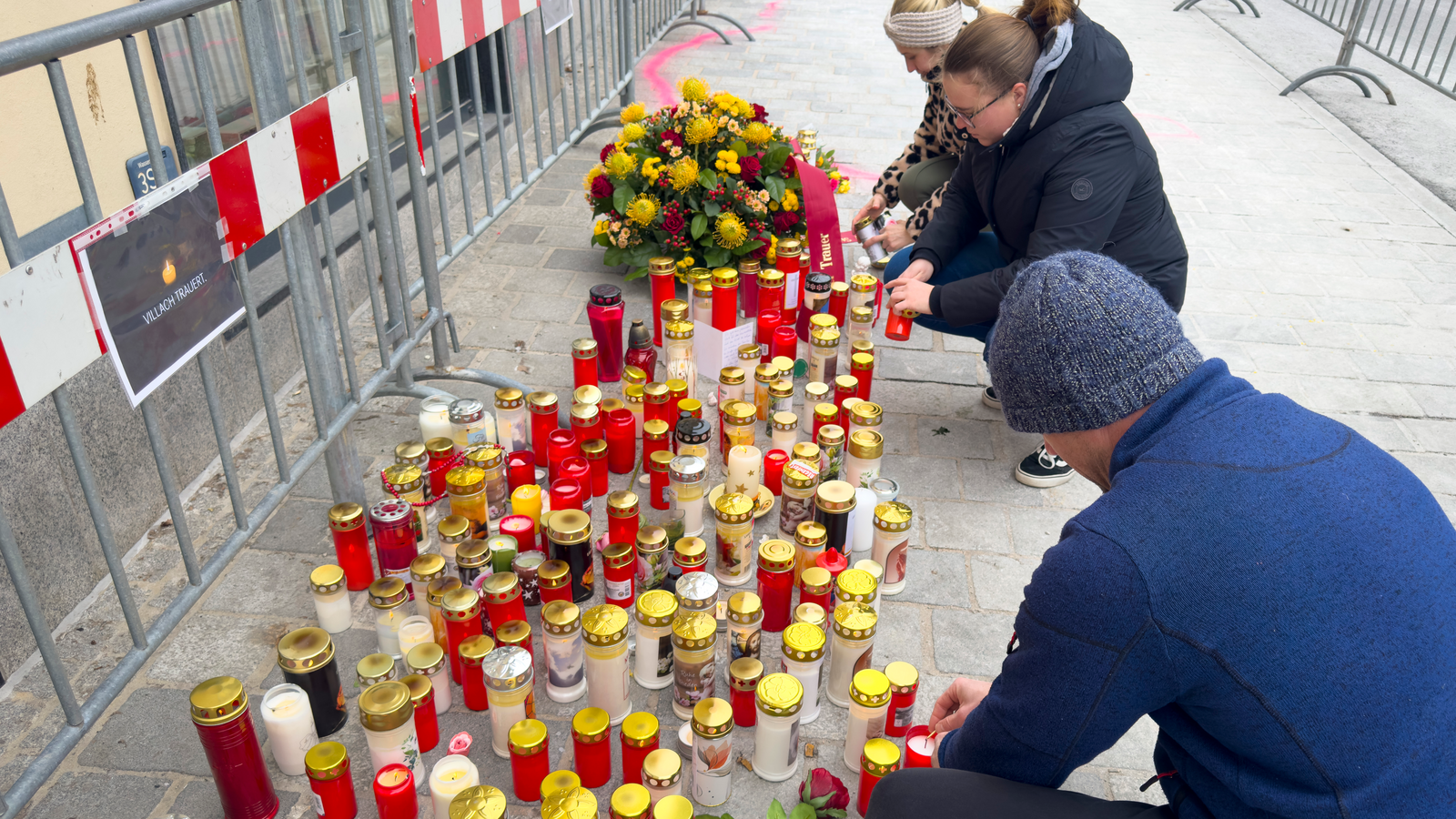
The Villach stabbing attack has sent shockwaves through Austria and the broader international community after a 14-year-old boy was killed and four others were injured in a horrifying knife attack in the city of Villach. The incident, which occurred on Saturday afternoon in a public square bustling with ordinary life, has raised serious questions about security, radicalization, and the evolving nature of terrorism in Europe. Austrian authorities have since confirmed an Islamic terror motive and identified the suspect, while also commending an extraordinary act of civilian bravery that helped end the violence quickly.
Timeline of the Villach Stabbing Attack
The Villach stabbing attack unfolded around 4 p.m. local time near food stands in a public area of the town’s main square. This popular gathering spot, typically filled with families, tourists, and locals enjoying the weekend atmosphere, became the scene of sudden and senseless violence. According to police spokesperson Paul Eidenberger of the Austrian Federal Police, a 23-year-old suspect began indiscriminately stabbing people in the area.
The rapid sequence of events meant that bystanders had little time to react. However, the situation was brought under control remarkably quickly thanks to the intervention of a 42-year-old civilian who used his vehicle to ram the attacker. The suspect, who sustained minor injuries from the collision, was subsequently apprehended by two police officers “without any resistance,” according to officials.
The Victims of the Tragedy
The victims of the Villach stabbing attack were all Austrian citizens, making this incident even more painful for the local community. The deceased was a 14-year-old boy, whose death represents an immeasurable loss for his family and the entire nation. Beyond the fatality, four other individuals sustained injuries:
- Two 16-year-old boys who suffered major injuries and required immediate medical attention
- A 28-year-old man who sustained minor injuries
- A 32-year-old man who also sustained minor injuries
The ages of the victims , particularly the young boys , have intensified public grief and highlighted the indiscriminate nature of the violence. Authorities are still investigating whether the suspect had any specific connection to any of the victims, though early indications suggest this was a random act targeting innocent bystanders.
The Suspect: Background and Motive
Austrian officials confirmed during a Sunday morning press conference that the suspect held an Islamic terror motive for the Villach stabbing attack. Interior Minister Gerhard Karner expressed his “anger about an Islamist attacker who indiscriminately stabbed innocent people here in this city” and revealed that the attacker had ties to the Islamic State group.
Perhaps most concerning for counter-terrorism officials is the revelation that the suspect radicalized himself online within a very short time. This rapid self-radicalization pattern has become an increasingly troubling phenomenon across Europe, where individuals can be exposed to extremist ideology through social media platforms and encrypted communications without any formal connection to terror networks.
Legal Status and Prior Contact with Authorities
The suspect was a 23-year-old Syrian national who was legally residing in Austria at the time of the attack. He was in the process of seeking asylum in the country. Critically, police confirmed that he had no prior contact with law enforcement before this incident, meaning he did not appear in any intelligence databases or flagged systems.
This detail has sparked significant debate about screening procedures and the challenges of identifying individuals who may be vulnerable to online radicalization. The suspect lived on the outskirts of Villach, and his residence was searched by authorities following his arrest. He was scheduled to be questioned overnight as part of the ongoing investigation.
The Civilian Hero: A Syrian Man’s Courageous Act
One of the most remarkable aspects of the Villach stabbing attack was the role played by a Syrian man working for a food delivery company. The 42-year-old civilian, who was also Syrian, witnessed the attack and made the split-second decision to drive his car directly into the suspect, helping police apprehend him before further casualties could occur.
State Governor Peter Kaiser publicly thanked this individual, noting that “this shows how closely terrorist evil but also human good can be united in one and the same nationality.” The governor’s statement highlights an important point , that the actions of one individual should not be used to stigmatize an entire community or nationality.
The civilian hero’s intervention likely prevented additional injuries and possibly saved additional lives. Austrian officials and citizens alike have expressed gratitude for his quick thinking and courage in the face of danger.
Official Response and National Impact
The Villach knife attack has prompted a strong response from Austrian officials at both the regional and federal levels. Interior Minister Gerhard Karner’s visit to Villach underscored the gravity with which the national government is treating the incident. His statements emphasized both the terrorist nature of the attack and the need for a robust response.
Investigation and Security Measures
Law enforcement agencies have launched a comprehensive investigation into the Villach stabbing attack, focusing on several key areas:
- Determining whether the suspect had accomplices or connections to broader terror networks
- Tracing the suspect’s online activities and sources of radicalization
- Investigating any potential connections between the suspect and the victims
- Reviewing security protocols in public spaces across Austria
- Examining the asylum process to identify potential gaps
The incident has reignited discussions about counter-terrorism strategy in Austria, particularly regarding the threat posed by individuals who may not appear on traditional watchlists but can be rapidly radicalized through online content.
Broader Context: Terrorism Concerns in Austria and Europe
The Villach stabbing attack did not occur in isolation. Across Europe, authorities have been grappling with the rising threat of lone-wolf attacks carried out by individuals who self-radicalize through online propaganda. The Islamic State group, despite losing its territorial caliphate, continues to inspire attacks through its online presence and surviving propaganda networks.
Austria has not been immune to such incidents. The country has experienced previous terror attacks and foiled plots, contributing to heightened security awareness. The Villach attack, however, represents one of the most high-profile incidents in recent Austrian history and is likely to influence policy discussions regarding asylum procedures, online surveillance, and counter-radicalization programs.
The Role of Community in Counter-Terrorism
The Villach incident also highlights the critical role that communities can play in both preventing and responding to terrorist acts. The Syrian civilian’s intervention demonstrates how ordinary individuals can become heroes in moments of crisis. Conversely, community engagement and reporting suspicious behavior remain essential tools in preventing radicalization from taking hold in the first place.
Austrian officials have emphasized the importance of integrating immigrant communities and providing pathways for social cohesion, while also maintaining vigilant security measures. The challenge moving forward will be balancing these seemingly competing priorities without compromising either public safety or community trust.
Conclusion
The Villach stabbing attack stands as a tragic reminder of the persistent threat of terrorism in modern Europe. A 14-year-old boy lost his life, four others were injured, and an entire community was left grappling with grief and questions about how such violence could occur in their city. The investigation continues, and authorities are working diligently to understand the full scope of the suspect’s activities and motivations.
Yet amid the sorrow, the courage of the Syrian civilian who helped stop the attack offers a glimmer of hope and a powerful counter-narrative to the extremism that motivated the violence. As Austria mourns and recovers, the nation will need to address difficult questions about radicalization, immigration, security, and community , all while honoring the memory of those affected by this senseless act of terrorism in Villach.