
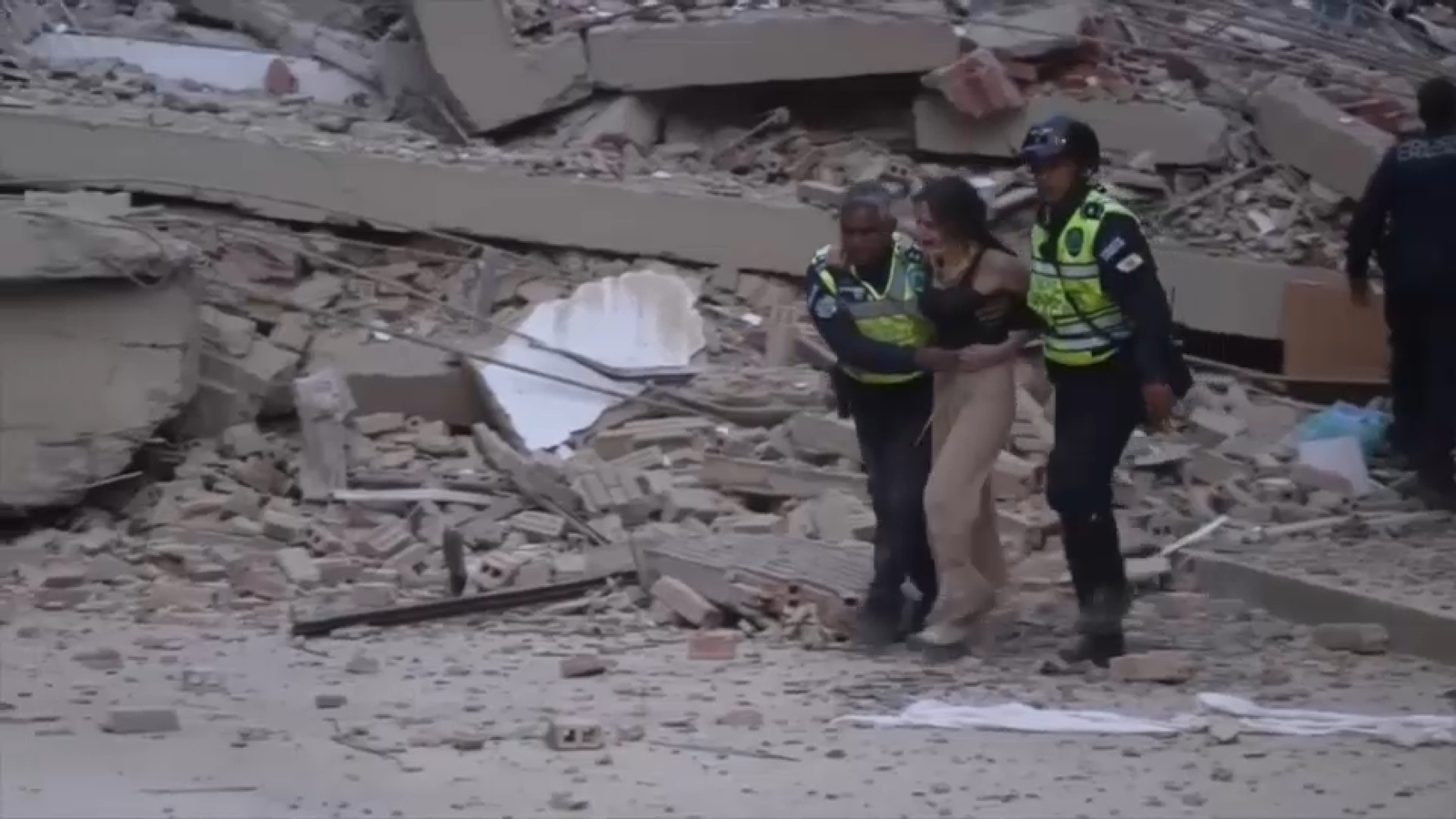
When disaster strikes on a massive scale, the global community often steps in to provide critical Venezuela earthquake relief. After a devastating pair of powerful earthquakes rocked north-central Venezuela, killing more than 160 people and injuring nearly 1,000, humanitarian organizations from around the world mobilized rapidly. With search and rescue operations still underway, families displaced from their homes, and communities struggling to access basic necessities, the need for continued support remains urgent. Whether you are looking to donate funds, supplies, or your time, this guide will walk you through the most effective ways to help victims of the Venezuela earthquakes and make a meaningful difference in the lives of survivors.
What Happened in Venezuela: A Brief Overview
Last month, two powerful earthquakes struck north-central Venezuela with devastating consequences. The tremors caused widespread destruction across multiple regions, toppling buildings, damaging infrastructure, and leaving thousands of families without shelter. Venezuela’s acting President Delcy Rodriguez confirmed that emergency responders were undertaking “intensive rescue operations,” working tirelessly to locate people believed to be trapped beneath the rubble.
The human toll continues to unfold as assessment teams fan out across the worst-affected areas. Beyond the immediate casualties, countless survivors are now grappling with destroyed homes, disrupted access to clean water, and the psychological trauma of experiencing such a terrifying natural disaster. International solidarity has begun pouring in, with U.S. Secretary of State Marco Rubio announcing that search and rescue teams from the United States would be deployed to assist with relief operations following conversations with Venezuelan leadership.
Major Organizations Providing Venezuela Earthquake Relief
Several well-established humanitarian aid organizations have activated emergency response protocols and are actively engaged in Venezuela earthquake relief efforts. Here are the leading groups coordinating on-the-ground operations and how you can support their missions.
Global Empowerment Mission
Global Empowerment Mission (GEM), a humanitarian aid nonprofit headquartered in Doral, Florida, has partnered with a Venezuelan organization to launch an emergency response. Their reconnaissance and emergency response teams deployed to the affected regions to conduct needs assessments, coordinate with local partners, and begin distributing critical supplies. GEM specializes in rapid disaster response and has a track record of providing direct aid to communities in crisis. Their streamlined approach means donations translate into tangible supplies and services delivered to those who need them most.
International Federation of the Red Cross
The International Federation of the Red Cross (IFRC) has been instrumental in coordinating Venezuela earthquake relief through its extensive network. The Venezuelan Red Cross is operating a system of hospitals and polyclinics to deliver emergency medical care, while rescue teams support evacuation and search efforts across the hardest-hit areas. The IFRC has deployed four assessment teams to evaluate the most urgent priorities, which include search and rescue operations, emergency shelter for displaced families, trauma care, psychosocial support, safe water and sanitation services, and essential household items. Notably, even the Venezuelan Red Cross headquarters sustained damage from the earthquake, underscoring the widespread scope of destruction.
Save the Children
Save the Children, an internationally recognized NGO focused on child advocacy, has activated its emergency response protocols to support affected children and families. While the full extent of the destruction is still being evaluated, past disaster response experience tells us that children will require urgent support including nutritious food, clean drinking water, safe shelter, and healthcare services. Save the Children is working closely with local partners to identify specific needs and deploy appropriate resources, ensuring that the youngest and most vulnerable survivors are not overlooked in the chaos of recovery.
United Nations Office for the Coordination of Humanitarian Affairs (OCHA)
The UN’s OCHA is rapidly deploying Urban Search and Rescue (USAR) teams through the International Search and Rescue Advisory Group, a specialized UN advisory body. Tom Fletcher, Under-Secretary-General for Humanitarian Affairs and Emergency Relief Coordinator, emphasized the international commitment to the response, noting that “international solidarity coming in” would be essential. Multiple UN agencies have committed to supporting relief operations, including the World Food Programme, the International Organization for Migration, the Office for Project Services, UNICEF, and the UN Refugee Agency. Some of these agencies have already begun mobilizing supplies and personnel to the affected regions.
World Vision
World Vision, a global Christian humanitarian organization, is conducting needs assessments and preparing a comprehensive response to the Venezuela earthquakes. The organization has been sharing firsthand accounts from staff members affected by the disaster, providing powerful insight into the human experience of the crisis. Luis Colmenarez, a regional emergency content and communications specialist based in Barquisimeto (approximately 217 miles west of Caracas), recounted the terrifying moments when the earthquakes struck while he was inside a movie theater. His description of screaming children, panicked crowds stumbling in darkness, and seemingly endless shaking lasting two to three minutes offers a sobering reminder of the trauma survivors are processing.
How You Can Contribute to Earthquake Relief Donations
When a disaster of this magnitude unfolds, individuals around the world often feel compelled to act. There are several meaningful ways you can channel that desire to help into effective earthquake relief donations and other forms of support.
Make a Financial Donation
The most efficient way to support disaster response is almost always through monetary contributions to reputable humanitarian organizations. Cash donations allow aid groups to purchase exactly what is needed on the ground, avoiding the logistical challenges and costs associated with shipping physical goods. Each of the organizations listed above accepts online donations directly through their websites, and many offer options for one-time gifts or recurring monthly support.
When evaluating where to direct your contribution, consider the following factors:
- Track record: Research the organization’s history of disaster response and financial transparency.
- On-the-ground presence: Organizations with established local partnerships can often deploy resources faster.
- Low overhead: Look for charities that direct a high percentage of donations to actual program services.
- Specific allocation: Some organizations allow you to designate your gift specifically for Venezuela earthquake relief efforts.
Donate Supplies and Materials
Some organizations, particularly those working in disaster hotspots, accept in-kind donations of specific items needed for emergency response. This may include first aid supplies, hygiene kits, blankets, water purification tablets, and other essential goods. Before collecting physical items, always check with the receiving organization to confirm what is currently needed and how to arrange delivery or shipment.
Amplify Awareness on Social Media
In the digital age, spreading awareness is itself a form of humanitarian support. Sharing verified information from credible sources helps counteract misinformation, keeps the crisis in the public eye, and encourages others to contribute. Follow organizations like the IFRC, Save the Children, and OCHA on social media, share their updates, and use relevant hashtags to extend the reach of their messages.
Volunteer Your Skills
Many humanitarian organizations rely on volunteers with specialized skills, including medical professionals, mental health counselors, translators, and logistics experts. If you have relevant expertise and the ability to travel or commit time remotely, reach out to organizations coordinating the response to inquire about volunteer opportunities.
What Survivors Need Most Right Now
Understanding the specific needs of earthquake survivors can help donors make informed decisions about how to direct their support. Based on assessments from the organizations actively responding, the most pressing priorities include:
- Search and rescue operations to locate people still trapped or missing.
- Emergency shelter for families whose homes have been damaged or destroyed.
- Medical care, including trauma treatment and mental health support.
- Clean water and sanitation infrastructure to prevent disease outbreaks.
- Food assistance for displaced families who have lost access to cooking facilities and supplies.
- Essential household items such as bedding, clothing, and hygiene products.
- Protection services for vulnerable populations, especially children, the elderly, and those with disabilities.
The Long-Term Road to Recovery
While initial emergency response efforts rightly focus on life-saving activities, the journey to full recovery for earthquake-affected communities will take months or even years. Long-term humanitarian aid Venezuela initiatives may eventually include rebuilding homes and schools, restoring livelihoods, addressing psychological trauma, and strengthening infrastructure to withstand future disasters. Continued donor engagement throughout this extended recovery period is essential to ensure that affected families don’t fall through the cracks once the world’s attention moves on to other headlines.
Conclusion: Standing in Solidarity with Venezuela
The outpouring of international support for Venezuela earthquake relief efforts reflects a powerful truth about our shared humanity: when catastrophe strikes anywhere, people everywhere are willing to help. From the Global Empowerment Mission deploying reconnaissance teams to the UN coordinating specialized rescue units, a robust humanitarian infrastructure is working around the clock to save lives and alleviate suffering. By donating to trusted organizations, amplifying credible information, and staying engaged with long-term recovery efforts, each of us can play a role in helping the people of Venezuela rebuild their lives. The path ahead will be challenging, but with sustained global solidarity, the survivors of these devastating earthquakes will not face it alone. Consider taking action today,every contribution, no matter the size, matters in the collective effort to bring hope and healing to those who need it most.