
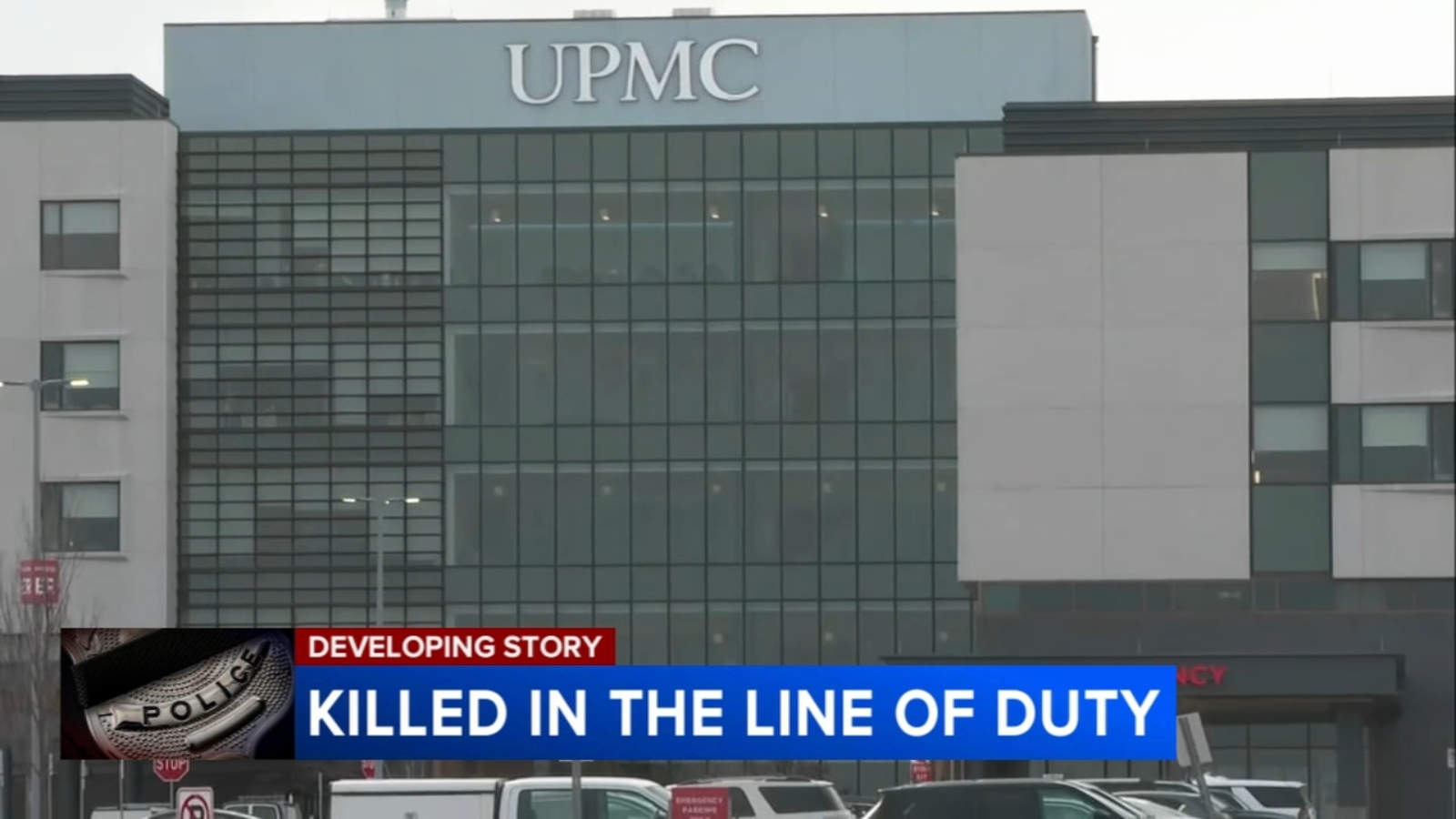
The devastating UPMC Memorial Hospital shooting in York, Pennsylvania has sent shockwaves through the healthcare community and beyond, revealing a tragic narrative of grief, desperation, and systemic failure. On a Saturday morning, 49-year-old Diogenes Archangel-Ortiz entered the facility armed with a backpack containing a firearm, zip ties, and duct tape, ultimately holding intensive care unit staff hostage before being killed in a violent shootout with police. The incident left one police officer dead and five other people wounded, raising urgent questions about the state of the healthcare system and the mental health crises that can lead to unimaginable acts of violence.
The Hours Before the Tragedy
According to law enforcement officials briefed on the investigation, the gunman’s actions stemmed from profound grief and frustration over his wife’s medical care. His wife had been on life support at the hospital’s intensive care unit due to a terminal illness, and Archangel-Ortiz believed that more could have been done to save her life.
The night before the shooting, hospital security had already removed Archangel-Ortiz from the premises after he became visibly irate and emotionally distraught following a devastating diagnosis from medical staff. The team had informed him that no further treatment options remained available for his wife’s condition. It remains unclear whether she has since passed away.
York County District Attorney Tim Barker confirmed during a Saturday news conference that the gunman had been in contact with the ICU earlier in the week “for a medical purpose involving another individual,” though his office declined to elaborate further on the relationship or circumstances.
The Morning of the Shooting
Despite being removed the previous evening, Archangel-Ortiz returned to UPMC Memorial Hospital Saturday morning, this time with premeditated intentions. Carrying a backpack loaded with a firearm and tactical supplies, he made his way into the intensive care unit and took staff members hostage.
What unfolded next was a confrontation that would claim multiple lives and injure several others. Police engaged the gunman in a shootout, ultimately fatally wounding Archangel-Ortiz. However, the violence left an indelible mark on everyone present, including three police officers shot during the exchange.
The Fallen Officer
One of those officers, 30-year-old Andrew Duarte of the West York Borough Police Department, succumbed to his injuries after being shot in the torso. The York County Coroner’s Office officially ruled his death a homicide on Monday. Duarte, remembered for his service and dedication, is survived by his parents, girlfriend, and several extended family members. A celebration of his life was scheduled for Friday, February 28, at Living Word Community Church in Red Lion, Pennsylvania.
Those Injured in the Hospital
Remarkably, no patients sustained injuries during the chaos inside the hospital, according to Susan Manko, a spokesperson for UPMC Memorial. However, several dedicated healthcare workers were not so fortunate. An intensive care unit doctor, a nurse, and a custodian all suffered gunshot wounds. A fourth hospital employee was injured in a fall during the incident.
By Sunday, the hospital reported that all injured employees were “medically stable and progressing in their recovery,” offering a small measure of relief amid the tragedy. The fact that frontline healthcare workers, simply doing their jobs, became victims of this violence has sparked widespread outrage and reflection within the medical community.
A Healthcare Worker’s Perspective
Perhaps the most haunting insights came from Lester Mendoza, a physician assistant specializing in pulmonary critical care at UPMC, who directly interacted with the gunman during his wife’s treatment. Mendoza took to Facebook to share his deeply personal perspective on the events and the broader issues facing healthcare today.
Glimpses of Humanity Amid Horror
Mendoza recounted the moment he and colleagues delivered the worst possible news to Archangel-Ortiz about his loved one’s condition. “I was there when we delivered the worst news imaginable to him,that his loved one was gone,” Mendoza wrote. “I saw his devastation firsthand. In that moment, I truly did not see a monster. He was simply broken.”
This revelation has prompted difficult conversations about how the system failed not just the gunman, but countless others who find themselves in similarly desperate circumstances. Mendoza emphasized that he never could have predicted such violent actions from the grieving man, noting that “grief, exhaustion, isolation, and a lack of mental health and social support services create cracks that people fall through.”
The Crumbling Healthcare System
Beyond the immediate tragedy, Mendoza used his platform to highlight what he views as systemic failures plaguing American healthcare. He pointed to:
- Understaffed hospitals stretched beyond capacity
- Overworked employees struggling to provide adequate care
- Expensive medicines and supplies creating financial barriers
- Long wait times that leave patients feeling neglected
- Insufficient mental health support for patients and families in crisis
“While people will look for someone to blame, the reality is this: the system is failing all of us. Healthcare is broken,” Mendoza concluded. His words have resonated with healthcare workers nationwide who recognize these pressures in their own daily experiences.
Investigating the Aftermath
The Pennsylvania State Police, with assistance from the York County District Attorney’s Office, has taken the lead on investigating this complex case. A spokesperson for the state police indicated that no additional information would be released until the investigation concludes, but emphasized that “all details of the incident will be investigated.”
This thorough investigation will likely examine not only the gunman’s actions and mental state, but also the hospital’s security protocols, prior interactions with the individual, and the broader circumstances surrounding his wife’s care. Understanding how such a catastrophic event could unfold is essential for preventing future tragedies.
Reflections on Violence in Healthcare Settings
The UPMC Memorial Hospital shooting represents a devastating trend of violence in healthcare facilities across the United States. Hospitals, traditionally viewed as sanctuaries of healing, have increasingly become sites of conflict as patients, families, and even staff navigate emotionally charged situations under extreme stress.
Healthcare workers face unique challenges that the general public rarely sees. They deliver life-altering news, manage end-of-life care decisions, and witness suffering on a daily basis. When systems fail to provide adequate mental health resources, security measures, or support for families in crisis, the consequences can be catastrophic,not just for those directly involved, but for entire communities.
Honoring the Lost and Looking Forward
As the community of York, Pennsylvania mourns the loss of Officer Andrew Duarte and grapples with the injuries sustained by five others, the conversation must extend beyond assigning blame. The stories emerging from this tragedy,from Mendoza’s haunting account of the gunman’s humanity to the bravery of police officers who responded to the scene,underscore the complexity of the issues at play.
The dedicated staff of UPMC Memorial Hospital, from the ICU to environmental services, demonstrated extraordinary courage during unimaginable circumstances. Their recovery, both physical and emotional, will require sustained support from their employer, their community, and the broader healthcare industry.
Ultimately, the UPMC Memorial Hospital shooting serves as a stark reminder that violence rarely emerges from a vacuum. When individuals fall through the cracks of overburdened systems,when grief goes unsupported and mental health needs go unmet,the results can be devastating. Addressing these root causes requires commitment from policymakers, healthcare administrators, and society as a whole to build a system that truly cares for all those who depend on it, especially in their darkest hours.