
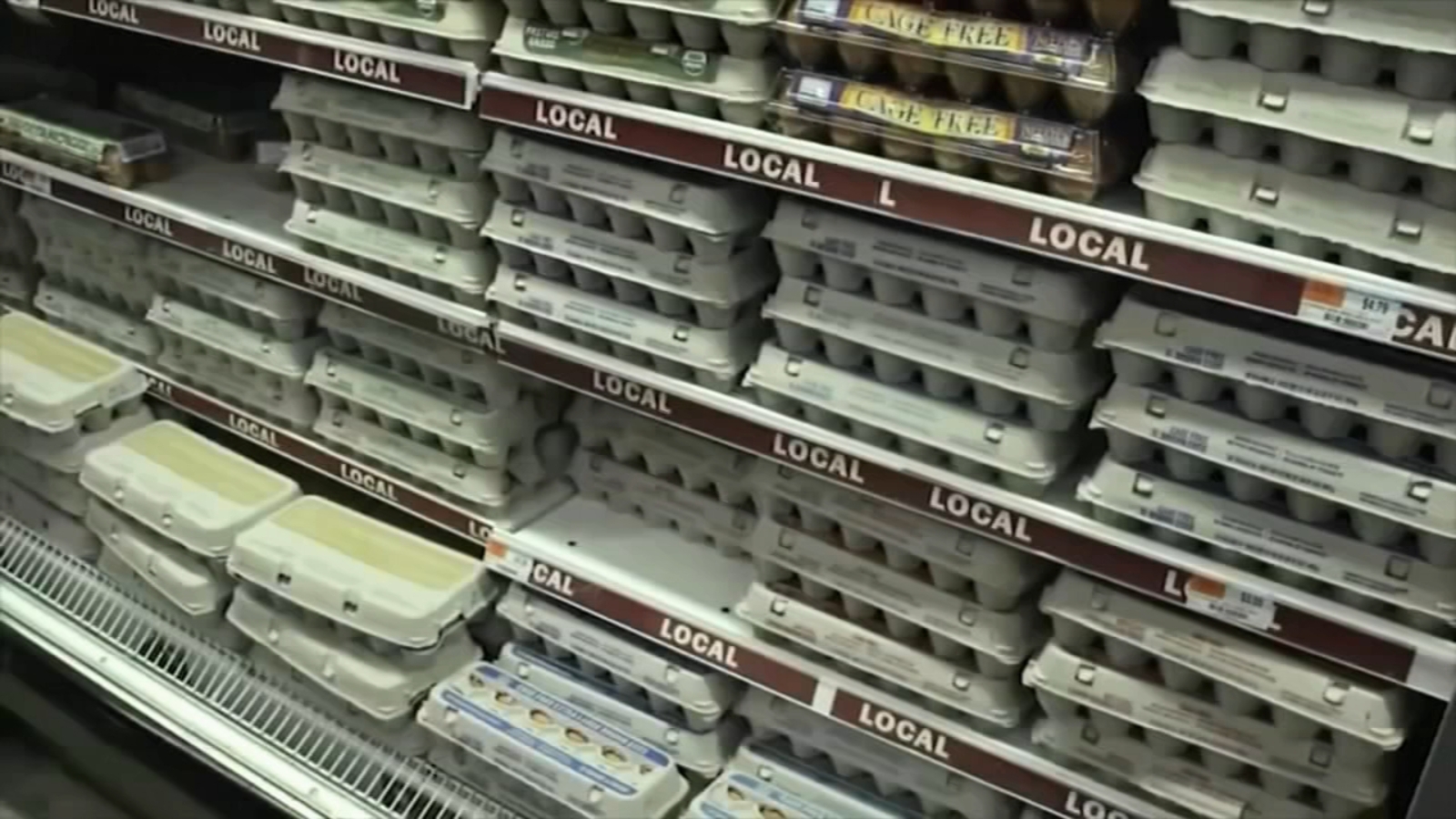
When grocery shoppers across the United States walk past nearly empty refrigerated shelves and see signs limiting egg purchases to one or two cartons per customer, they are witnessing the consequences of the worst egg shortage the country has faced in decades. Record-breaking prices, culled flocks, and supply chain disruptions have pushed consumers and businesses alike to seek solutions beyond American borders. In a surprising twist, the answer has come from an unexpected direction: Turkey, the country, which is ramping up exports at an unprecedented pace to help fill the gap and stabilize the U.S. egg supply.
The Crisis Driving Egg Prices to Unprecedented Heights
The U.S. egg shortage stems primarily from one devastating cause: avian flu, also known as highly pathogenic avian influenza (HPAI). Since 2022, this relentless virus has wiped out more than 140 million egg-laying birds across the country. The destruction accelerated sharply at the end of last year, with roughly 17 million birds lost in just November and December alone. As flock sizes shrink, egg production plummets, and prices inevitably soar.
The numbers paint a painful picture for American consumers. A dozen large Grade A eggs hit an average price of $4.95 last month, according to the Bureau of Labor Statistics. Major retailers have responded with restrictions: Costco and Trader Joe’s are now limiting egg purchases per customer, while Waffle House has taken the dramatic step of adding a 50-cent surcharge per egg. The January Consumer Price Index showed egg prices climbing 15.2% in a single month, and a staggering 53% year over year. The USDA forecasts an additional 20% increase in egg prices throughout the year, making affordable protein a serious challenge for millions of households.
Turkey Steps Up With Record-Breaking Egg Exports
To combat the worsening egg shortage, U.S. businesses have looked abroad, and Turkey has emerged as the sole international supplier. According to the American Farm Bureau Federation, Turkey is the only country from which the United States currently imports eggs. The Egg Producers Central Union in Turkey has announced plans to ship 420 million eggs to the United States this year, the highest export volume ever recorded between the two nations.
“Bird flu is the main reason of increasing export capacity,” explained Ibrahim Afyon, chairman of the Egg Producers Central Union in Turkey. The first shipment of 240 million eggs is expected by July, with the remaining deliveries scheduled by year’s end.
To put the scale of this expansion in perspective, the United States imported just 71 million eggs from Turkey in all of 2024. This year’s projected total is nearly six times that figure, representing a dramatic shift in international egg trade and a major opportunity for Turkish producers.
Why Turkey Is Positioned to Help
Turkey stands as the fifth-largest egg exporter globally, trailing only the Netherlands, the United States itself, Poland, and Germany. In 2023, Turkish egg exports were valued at $411 million worldwide, according to the Observatory of Economic Complexity. The U.S.-bound shipments this year alone are expected to total approximately $37 million, a significant boost for Turkish agricultural producers.
This trade relationship highlights a fascinating irony: the United States, which produces more than 7.5 billion eggs annually on average according to the American Egg Board, now depends on a foreign nation to help stabilize its egg supply. Domestic production will likely fall this year as the avian flu continues devastating commercial flocks.
Will Turkey’s Eggs Be Enough?
While the import deal represents historic cooperation, experts caution that even 420 million eggs will barely make a dent in the overall egg shortage. Bernt Nelson, an economist at the American Farm Bureau Federation, emphasized the limited impact: “While this is enough to offset some production losses, it won’t provide much support if HPAI continues at its current pace.”
The U.S. egg industry is simply too vast for foreign imports to fully compensate for production losses on the scale currently being experienced. This is why producers, policymakers, and scientists are exploring additional strategies to address the root cause of the crisis.
The Poultry Vaccination Dilemma
One promising solution involves vaccinating chickens against avian flu. The USDA recently issued a conditional license for a poultry vaccine developed by Zoetis, a major animal health company. According to Zoetis, “the license was granted on the demonstration of safety, purity, and reasonable expectation of efficacy based on serology data.”
Doug Corwin, a Long Island duck farmer who was forced to cull his entire flock of 99,000 birds after the virus struck, is among the producers advocating for widespread vaccination. He believes the time has come to take decisive action.
However, vaccinating poultry creates what experts describe as a “chicken and egg problem” of its own. Many egg producers favor vaccination, but poultry meat producers worry about the trade implications. If a country begins vaccinating its birds, the virus could be classified as endemic, and it becomes harder to detect the disease in inoculated birds. International trading partners could become reluctant to purchase poultry from vaccinated flocks, threatening the United States’ position as the world’s largest poultry producer and second-largest exporter of poultry meat.
Government Response and Ongoing Challenges
The White House has signaled that it is developing a comprehensive plan to address the avian flu crisis. Kevin Hassett, Director of the White House Economic Council, shared some details during an appearance on CBS’s “Face the Nation.” He described a strategy built around three pillars: biosecurity improvements, medication, and establishing what he called a “smart perimeter” to protect poultry operations.
“Having a smart perimeter is what we’re working on, and we’re finalizing the ideas about how to do that with the best scientists in government,” Hassett explained. “That’s the kind of thing that should have happened a year ago, and if it had, then egg prices would be, you know, a lot better than they are now.”
Yet experts warn that the current federal environment may be working against effective crisis management. Agricultural researchers emphasize the urgent need for increased funding and staffing in virus surveillance and research. Ironically, this comes at a time when the Trump administration has implemented layoffs at agencies critical to the response, including the CDC and USDA. Rebecca Carriere Christofferson, an associate professor of pathobiological studies at the LSU School of Veterinary Medicine, stressed the stakes: “If ever there was a time when it was absolutely critical to not infuse more chaos into the system, this is it.”
The disruptions have been significant enough that the USDA recently had to revoke termination letters that had been sent to workers specifically supporting the bird flu response, underscoring how staffing instability can hamper even the most basic containment efforts.
Industry Voices: United Egg Producers Weighs In
Chad Gregory, president and CEO of United Egg Producers, expressed support for the temporary import strategy: “We support the temporary import of egg products to help ease the strain on the U.S. egg supply as we navigate this challenging time of continued highly pathogenic avian influenza detections. Like everyone, we want solutions to this situation.” His statement reflects the industry’s recognition that extraordinary times call for extraordinary measures, even if those measures involve unprecedented levels of foreign reliance for a staple commodity.
What Consumers and Producers Can Expect Moving Forward
The path forward involves multiple parallel tracks: continued imports from Turkey to bridge immediate gaps, exploration of vaccination programs to build long-term resilience, enhanced biosecurity on farms, and policy decisions about how to balance trade concerns with disease prevention. Each of these elements carries its own complexities and tradeoffs.
For consumers, the reality is that egg prices will likely remain elevated for the foreseeable future, even with Turkish imports supplementing the domestic supply. The U.S. Department of Agriculture’s forecast of further price increases suggests that shoppers should brace for continued sticker shock at the grocery store.
Conclusion: A Crisis Demanding Coordinated Solutions
The current egg shortage represents more than just an economic inconvenience; it is a wake-up call about the fragility of America’s food supply in the face of animal disease outbreaks. Turkey’s record-breaking exports demonstrate that international cooperation can provide temporary relief, but they cannot serve as a permanent fix. Lasting solutions will require decisive action on multiple fronts: accelerating vaccine development and deployment, strengthening biosecurity protocols, restoring critical research and surveillance staffing, and crafting trade policies that allow protective measures without sacrificing market access. Until these pieces come together, American consumers and the businesses that rely on affordable eggs will continue to feel the impact of a crisis that, while global in nature, hits especially close to home. The road out of this shortage will be long, but with coordinated effort, the resilience of the U.S. poultry industry can be rebuilt stronger than before.