
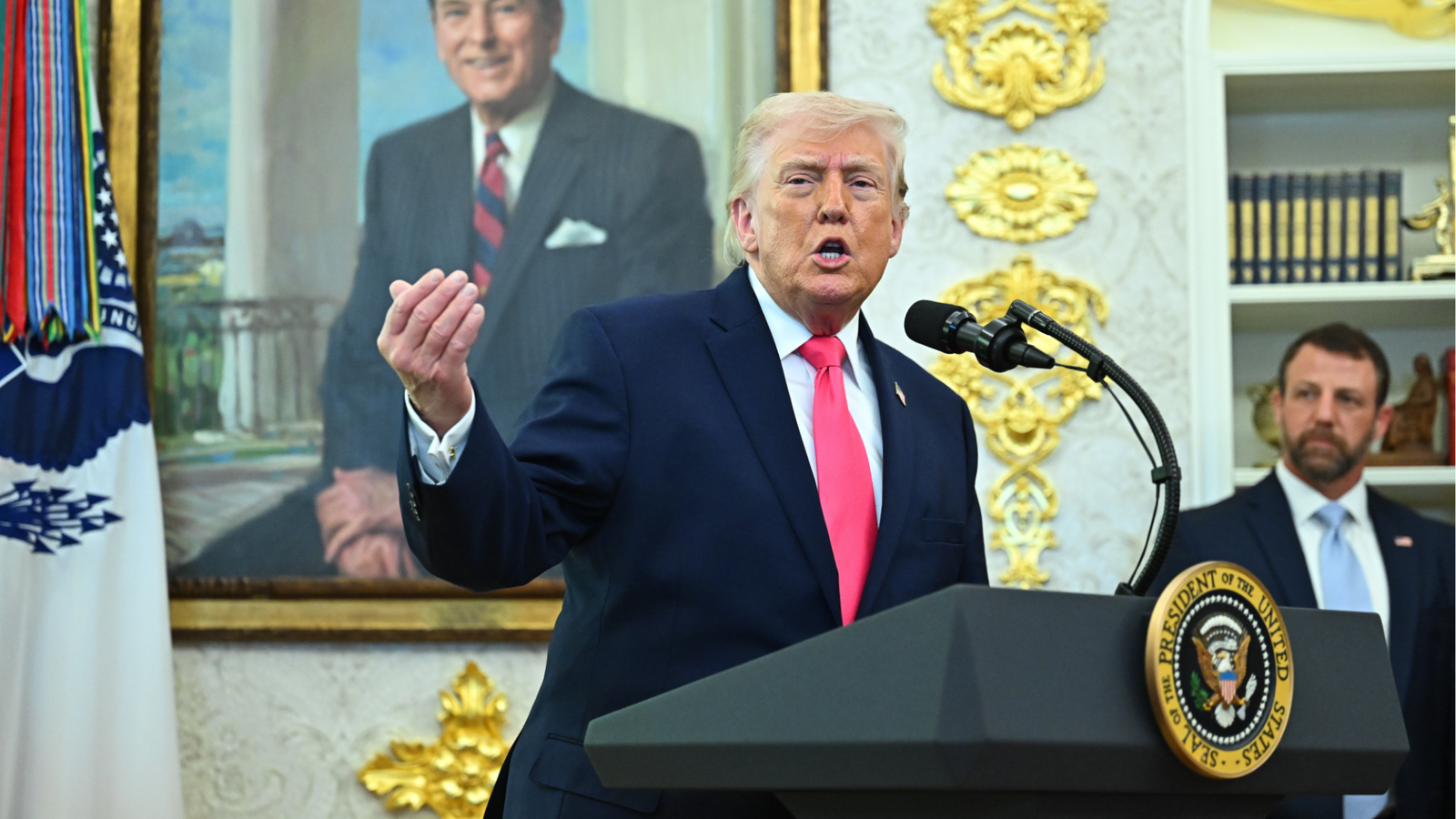
The TSA funding shutdown has dragged into its sixth week, creating unprecedented chaos at American airports and leaving tens of thousands of transportation security officers without paychecks. President Donald Trump announced Thursday that he would invoke emergency powers to direct the Secretary of Homeland Security to immediately compensate TSA workers, breaking his weeks-long reluctance to intervene in the congressional stalemate that has crippled airport operations nationwide.
“I am going to do it!” Trump declared on social media, framing the dramatic move as a necessary response to what he called “Chaos at the Airports.” The decision signals a major escalation in the administration’s approach to the DHS funding impasse, which has now stretched 41 days with no resolution in sight.
The Mounting Crisis at America’s Airports
The human cost of the shutdown has become impossible to ignore. TSA workers are approaching their second missed paycheck this Friday, and thousands have simply stopped showing up for work. According to Department of Homeland Security data, nationwide callout rates exceeded 11% on Wednesday alone, representing more than 3,120 absent employees out of those scheduled.
The situation has grown so severe that some airports are reporting callout rates exceeding 40%. Nearly 500 of the agency’s approximately 50,000 transportation security officers have officially quit during the shutdown, creating staffing shortages that have translated into hours-long security lines, missed flights, and mounting frustration for travelers.
Acting TSA Administrator Ha Nguyen McNeill painted a grim picture during a House hearing, describing unpaid workers facing eviction notices, piling up bills, and even donating plasma to make ends meet. She warned of potential airport closures if the staffing crisis continues to deteriorate.
“This is a dire situation,” McNeill testified. “At this point, we have to look at all options on the table.”
Rising Violence Against TSA Officers
Perhaps most alarming is the surge in assaults on airport security personnel. McNeill reported that TSA officers have experienced a more than 500% increase in assault frequency since the shutdown began, a statistic she called “unacceptable.” Frustrated travelers, combined with understaffed checkpoints and extended wait times, have created a volatile environment for the workers who remain on the job.
Trump’s Emergency Order Explained
The president’s decision to sign an executive order directing emergency pay for TSA agents represents an extraordinary use of presidential authority. The White House had spent days floating the possibility of declaring a national emergency specifically to address TSA compensation, a move that political observers warned would likely face legal challenges.
During a Cabinet meeting Thursday, Trump made clear he was running out of patience with congressional inaction.
“They need to end this shutdown immediately or we’ll have to take drastic measures,” the president warned, adding that he was prepared to deploy National Guard troops to airports if necessary.
The emergency pay directive comes alongside the already controversial deployment of ICE agents who are now stationed at airports checking travelers’ identification documents, a development that has raised civil liberties concerns among critics.
The Political Standoff in the Senate
While Trump prepares his executive action, senators were locked in intense negotiations over a framework that Senate Majority Leader John Thune described as the “last and final” offer. Lawmakers, who had been preparing to leave Washington for spring recess, cancelled their travel plans and prepared for an all-night session.
“Enough is enough,” Thune declared as he presented the proposal to Democrats, though he declined to share specific details publicly. The framework reportedly builds on a Republican offer from the previous weekend, before talks with the White House collapsed.
A core group of more than 10 senators from both parties worked privately to hammer out the final terms. Senator Mark Warner, a Virginia Democrat, captured the mood on Capitol Hill: “I think we all realize we’re not going anywhere until this is done.”
The Core Democratic Demands
Democrats have made the TSA shutdown pay situation inseparable from their broader push for immigration enforcement reforms. Their key demands include:
- Identification requirements for federal immigration agents conducting operations
- Banning face masks worn by officers during enforcement actions
- Restrictions on raids near schools, churches, and other sensitive locations
- Greater accountability following the deaths of two Americans during immigration operations in Minneapolis
Senate Democratic Leader Chuck Schumer insisted that his caucus needed to see meaningful concessions before agreeing to fund the Department of Homeland Security. “We’ve been talking about ICE reforms from day one,” Schumer said.
ICE Continues Operating Despite the Shutdown
One of the most controversial aspects of the current impasse is that immigration enforcement operations have continued largely uninterrupted. The GOP’s sweeping tax legislation signed into law last year funneled $75 billion specifically to ICE operations, creating a financial cushion that has kept deportation efforts running while TSA workers go unpaid.
This disparity has fueled Democratic arguments that the administration prioritizes aggressive immigration enforcement over basic government services. It has also complicated negotiations, as some conservative Republicans have rejected any deal that would constrain ICE activities.
Republican Divisions Complicate the Deal
The path forward faces obstacles from both sides of the political spectrum. While moderate Republicans expressed openness to some Democratic demands, conservatives within the GOP have revolted against proposals they view as insufficiently supportive of the president’s immigration agenda.
Senator Susan Collins, the Maine Republican who chairs the Appropriations Committee, suggested there were alternatives to the emergency declaration. “The president may well decide that, but I don’t know,” Collins said, pointing to other legal mechanisms for paying TSA workers and Coast Guard personnel.
Trump himself revived his push to eliminate the Senate filibuster as a way to bypass opposition to Republican priorities, a proposal that most GOP senators have resisted.
Travelers Bear the Brunt
While Washington argues, ordinary Americans are paying the price. At Houston’s George Bush Intercontinental Airport, passenger Melissa Gates gave up on her flight to Baton Rouge, Louisiana, after waiting more than two hours without reaching the security checkpoint. With no alternative flights available until the following day, she joked that the five-hour drive would have been preferable.
Similar scenes played out at airports across the country, with travelers reporting wait times stretching beyond three hours at major hubs. Business travelers worried about missed connections, families with young children stranded in terminals, and vacationers facing costly rebookings have all felt the impact of the airport security shutdown.
What Happens Next
Several paths could end the crisis. The emergency order would provide immediate relief to TSA workers while legal challenges wind through the courts. A negotiated congressional deal remains possible if both parties can bridge their differences on immigration enforcement. Or the standoff could continue indefinitely, with the government shutdown travel chaos worsening by the day.
One thing appears certain: with another missed payday looming Friday and TSA callout rates climbing, pressure on all parties will only intensify. Whether through executive action or legislative compromise, the question is no longer whether something must give, but how much longer Americans will have to wait.
The TSA funding shutdown has exposed deep fault lines in American politics, but its most immediate impact is measured in missed flights, mounting bills, and exhausted workers wondering when their next paycheck will arrive. Until Congress reaches a deal or the courts sort out the president’s emergency authority, the chaos at America’s airports is likely to continue.