
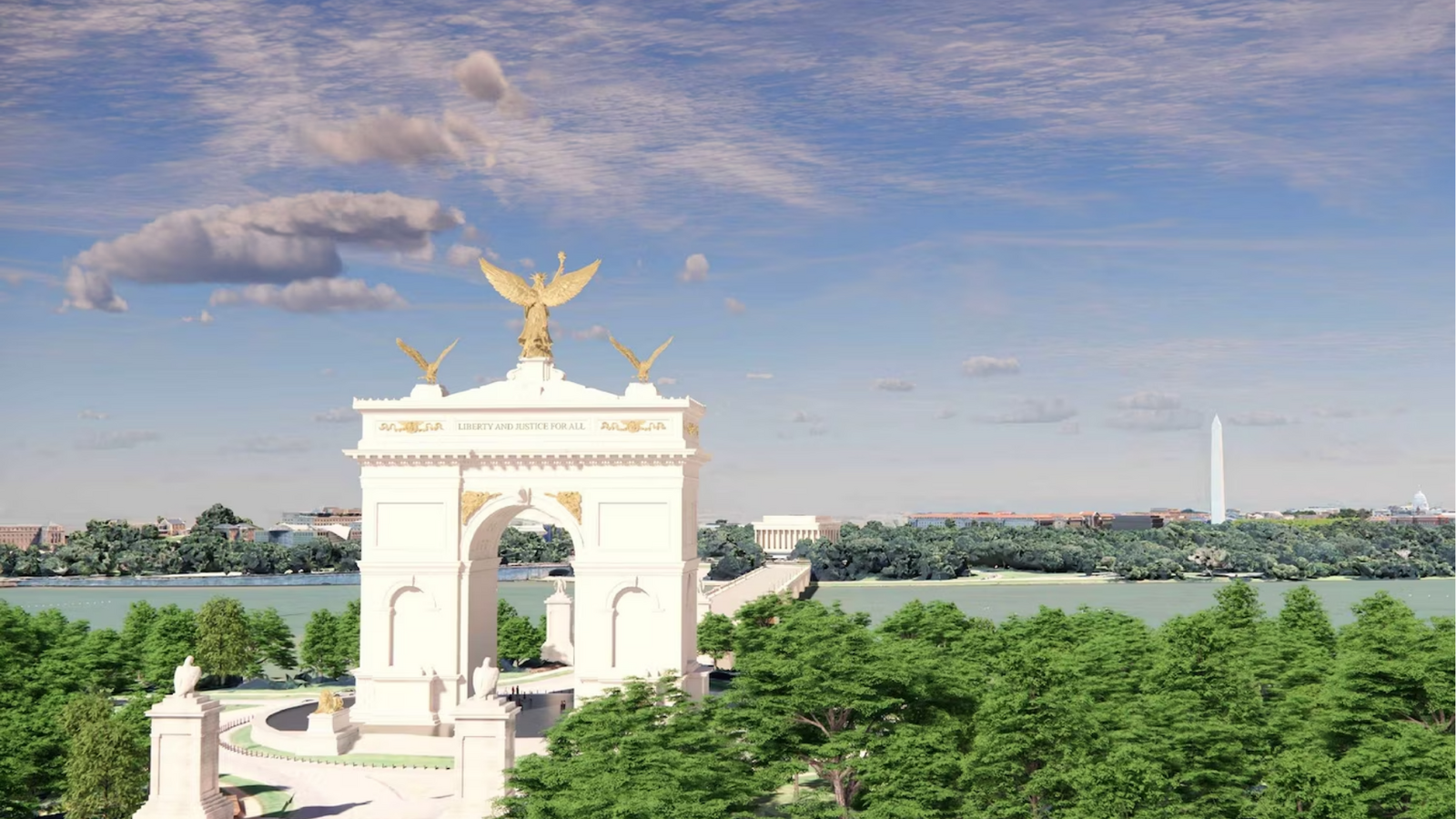
The proposed construction of Trump’s triumphal arch, a massive 250-foot-tall monument planned for the National Mall in Washington, D.C., cleared its first major regulatory hurdle on Thursday, though not without significant pushback from preservationists and members of the design community alike. The Commission of Fine Arts, a federal advisory body now composed entirely of presidential appointees, voted five to zero in favor of advancing the project, while requesting a series of substantial design revisions before granting final approval.
The Commission’s Conditional Endorsement
The Commission’s decision was far from a ringing endorsement of the project as currently conceived. Instead, board members,particularly Vice Chair James McCrery,laid out an extensive list of concerns they want addressed before the architects can proceed. The vote, which came with two members absent, signals initial approval but reflects deep reservations about the monument’s scale, symbolism, and integration into one of the most historically significant landscapes in the United States.
McCrery, who also served as the initial architect behind Trump’s expansive White House ballroom project, emerged as the most vocal critic during the hearing. His critiques ranged from the practical to the philosophical, touching on everything from underground infrastructure to cultural symbolism embedded in the design.
Design Concerns Raised by Commission Members
The Underground Access Pathway
One of the most pointed criticisms centered on a planned 250-foot underground tunnel intended to give visitors access to the structure. McCrery pushed back firmly against this element of the design, calling tunneling beneath the capital city “a really, really unfortunate thing.” While acknowledging that underground construction is sometimes unavoidable, he expressed skepticism about its necessity in this particular case.
“Sometimes it’s absolutely necessary,” McCrery told Nicolas Charbonneau, the architect leading the arch project. “Here, I think it’s not absolutely necessary at all.” His remarks suggested that the Commission expects the design team to reconsider how visitors would approach and experience the monument without resorting to subterranean construction that could potentially disturb archaeological layers beneath the Mall.
Questioning the Lion Statues
McCrery also took aim at the proposed lion statues intended for the base of the arch, arguing that they lack cultural relevance to American identity. “They’re not of this continent,” he noted, acknowledging their symbolic associations with nobility, courage, and strength before suggesting that more culturally resonant alternatives might better serve the monument’s purpose.
This critique reflects a broader philosophical tension in American monumental architecture: whether to draw on classical European traditions or to forge a distinctly American visual vocabulary. The Commission’s pushback suggests a preference for the latter, at least when it comes to ornamental elements at the monument’s base.
Preserving Sight Lines Across the Capital
Perhaps the most consequential design request involved the arch’s relationship to surrounding landmarks. McCrery called on the architects to “open these arches and air them out” so they do not obstruct views of other Washington landmarks, particularly the vista between Arlington National Cemetery and the Lincoln Memorial.
This concern is central to the preservation debate surrounding the project. The National Mall and its surrounding monuments were carefully planned during the early 20th century as part of the McMillan Plan, which established sight lines that connect landmarks across the capital. Any new monumental structure risks disrupting this carefully calibrated visual harmony.
Overwhelming Public Opposition
A Thousand Comments, All Against the Project
Beyond the Commission’s design concerns, the public response to Trump’s triumphal arch has been remarkably unified. Commission Secretary Thomas Luebke revealed that nearly one thousand public comments were submitted online,and that “100% of the comments were against the project.”
The comments painted a picture of widespread concern about the monument’s purpose, scale, and symbolism. Many characterized the project as “a waste of money and misuse of funds,” while others worried that it would “obstruct historic views and disrupt the landscape.” Critics also raised objections about “inappropriate imperial or political symbolism” and described the design as “gaudy, oversized, incompatible, and disrespectful to Arlington National Cemetery and military sacrifice.”
Voices from the Community
Opposition was not limited to online submissions. Protesters gathered outside the National Building Museum, where the Commission maintains its offices, holding signs reading “Stop Arch Insanity,” “No Trump Arch,” and “No Vanity Arch.” The demonstrations reflected a grassroots effort to halt what critics view as an inappropriate intrusion on the capital’s historic landscape.
Inside the hearing room, community members also voiced their concerns directly to the panel. Zachary Burt, the community outreach manager for the D.C. Preservation League, argued that the arch “threatens the solemn vista” between Arlington National Cemetery and the Lincoln Memorial. He warned that the structure’s proposed size “risks overshadowing the revered landmarks that Americans hold in the highest regard.”
Lisa Fuller, a lifelong Washington-area resident, delivered an emotional testimony about her personal connection to the area surrounding the proposed monument. She described crossing Arlington Memorial Bridge as a child after President Kennedy’s assassination, recalling how her father used the journey to teach her about American history. “We started at the Lincoln Memorial,” Fuller said, her voice breaking. “My father told me all about it, and then we walked across, and we saw the Eternal Flame.” Her testimony underscored the deep personal and historical connections that many Washingtonians feel toward the landscape the arch would alter.
The Scale of the Proposed Monument
The dimensions of Trump’s triumphal arch are difficult to overstate. At 250 feet tall, the structure would dwarf the Lincoln Memorial, which stands at approximately 99 feet. It would also exceed the height of France’s iconic Arc de Triomphe, one of the most famous triumphal arches in the world. This massive scale has been a central point of contention, with critics arguing that such a structure would fundamentally alter the character of the National Mall and the visual relationships between existing monuments.
The proposed location, near Arlington National Cemetery, adds another layer of sensitivity to the project. The area already carries profound historical and emotional weight, serving as the final resting place for American military service members and a site of national mourning. Critics have argued that erecting a triumphal monument near this hallowed ground risks politicizing a space traditionally dedicated to collective remembrance and sacrifice.
The Path Forward for the Arch Project
With initial approval secured but revisions requested, the architects behind Trump’s triumphal arch face a significant redesign challenge. They must address the Commission’s concerns about underground access, decorative elements, and sight line preservation,all while maintaining the monumental scale that appears central to the project’s vision.
The composition of the Commission itself, now consisting entirely of presidential appointees, raises questions about the independence of the federal design review process. Despite this alignment with the administration’s preferences, the panel still found substantial fault with the current design, suggesting that even sympathetic reviewers have concerns about execution and historical compatibility.
Conclusion
The conditional approval of Trump’s triumphal arch marks only the beginning of what promises to be a lengthy and contentious review process. While the Commission of Fine Arts has given the project a path forward, the revisions requested,particularly around underground construction, cultural symbolism, and the preservation of historic sight lines,represent substantial hurdles that could fundamentally reshape the monument’s design. Combined with overwhelming public opposition and passionate testimony from community members, the project faces mounting scrutiny that will likely intensify as the design evolves. Whether the architects can address these concerns while preserving the scale and ambition of the original vision remains an open question, one that will shape the future of the National Mall for generations to come.