
The rapidly escalating Trump Zelenskyy dispute has become one of the most consequential geopolitical flashpoints of 2025. What began as a diplomatic disagreement over the handling of Russia-Ukraine peace negotiations has exploded into a public war of words, with President Donald Trump branding Ukrainian President Volodymyr Zelenskyy a “dictator without elections” on Truth Social, and Zelenskyy firing back with accusations of spreading Russian “disinformation.” The rift raises urgent questions about the future of U.S. support for Ukraine, the legitimacy of wartime leadership, and whether any meaningful peace deal is achievable without Kyiv at the table.
What Sparked the Trump Zelenskyy Dispute?
The tensions between the two leaders reached a boiling point following historic U.S.-Russia talks held in Riyadh, Saudi Arabia, on Tuesday. The negotiations, which Ukraine was notably not invited to attend, represented what the U.S. State Department described as “an important step forward” toward ending Russia’s three-year invasion of its neighbor. But the exclusion of Ukraine from these crucial discussions infuriated Zelenskyy and unsettled European allies, setting the stage for what has become a deeply personal Trump Zelenskyy feud.
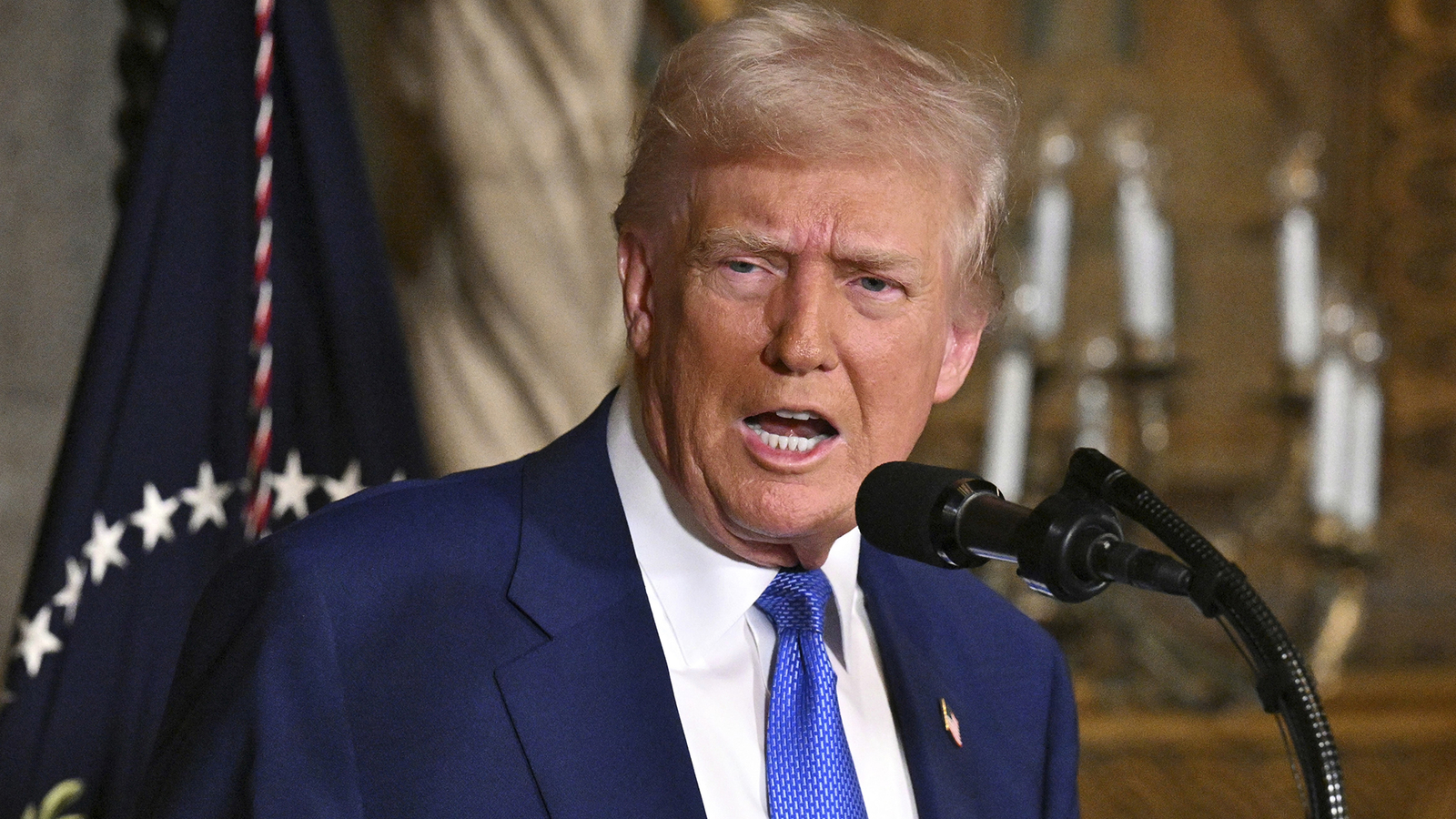
Hours after the Riyadh talks concluded, Trump stood before reporters at his Mar-a-Lago resort in Florida and made several provocative claims. He alleged that Zelenskyy’s public approval rating had plummeted to just 4% (without citing any source for that figure), echoed Russia’s own talking point about Zelenskyy’s lack of democratic legitimacy, and suggested Kyiv could have avoided the devastating war by striking a deal earlier.
The comments were compounded by Trump’s false assertion that Ukraine “started” the conflict with Russia , a claim that ignores Russia’s full-scale invasion of February 2022, which itself followed eight years of cross-border aggression in Crimea and the Donbas region.
Trump’s “Dictator” Comment and Zelenskyy’s Response
On Wednesday, Trump escalated the rhetorical war further with a post on Truth Social labeling Zelenskyy a “Dictator without Elections” and warning that the Ukrainian leader “better move fast or he is not going to have a Country left.”
Zelenskyy, addressing the remarks during a press conference in Kyiv, did not hold back. He branded the 4% approval rating claim as Russian disinformation and pointed to credible recent polls showing his support consistently above 50% with Ukrainian voters. He also pledged to conduct his own opinion polls measuring trust ratings for world leaders, including Trump, British Prime Minister Keir Starmer, and Turkish President Recep Tayyip Erdogan.
“If someone wants to replace me right now, then right now it won’t work,” Zelenskyy stated firmly. “If we are talking about 4%, then we have seen this disinformation, we understand that it comes from Russia. And we have evidence.”
Despite the sharp rhetoric, the Ukrainian president maintained a measured tone, saying he took Trump’s comments “calmly.” However, he did not shy away from criticizing the U.S. president’s grasp of the situation.
“As for President Trump, with all due respect to him as a leader of the American people, who we deeply respect and are thankful for all his support, but President Trump, unfortunately, is living in this disinformation space,” Zelenskyy said.
The Legitimacy Question: Why Were Ukraine’s Elections Postponed?
The dispute over Zelenskyy’s leadership has a factual foundation that warrants closer scrutiny. The Ukrainian president has framed the postponement of the country’s 2024 presidential elections as a wartime necessity under martial law, a position supported by Ukraine’s constitution during active conflict. Russia, and now Trump, have echoed one another in questioning that decision.
This overlap in messaging between Washington and Moscow has alarmed both Kyiv and European capitals. The convergence of rhetoric has fueled speculation about whether the current U.S. administration is inadvertently amplifying Kremlin talking points, an accusation Zelenskyy made directly.
Russia’s Bombardment Right After the Riyadh Talks
Adding a chilling dimension to the diplomatic standoff, Russia unleashed a massive aerial assault on Ukraine just hours after the U.S.-Russia discussions concluded. Ukraine’s air force reported 167 drones and two Iskander ballistic missiles launched overnight into the country, with 106 intercepted and 56 more lost in flight. The mayor of Odesa, Gennadiy Trukhanov, described a “massive enemy strike on a densely populated area of the city,” causing electricity, heating, and water outages during sub-zero temperatures.
Zelenskyy addressed the attack on social media, condemning the targeting of “civilian energy facilities” and accusing Russian representatives of lying when they claimed they do not target Ukraine’s energy sector.
“Just yesterday, after the notorious meeting in Riyadh, it became clear that Russian representatives were once again lying… And this is during winter , it was minus 6 degrees Celsius at night,” Zelenskyy wrote.
The Timing of the Strikes
The brutal timing of the Russian bombardment , occurring almost simultaneously with the diplomatic breakthrough , has lent considerable weight to Zelenskyy’s argument that the Riyadh talks merely echoed the ultimatums Moscow issued during the early days of its invasion.
The Minerals Deal and Security Guarantees Controversy
Another flashpoint in the ongoing diplomatic crisis concerns the Trump administration’s push for a controversial treaty that would grant the U.S. access to 50% of Ukraine’s natural resources in exchange for no security guarantees. Trump has repeatedly demanded what he values at $500 billion in rare minerals to offset American military and financial support provided during the war.
Zelenskyy rejected this demand bluntly during his Wednesday press conference. “There wasn’t a word there about security guarantees,” he explained. “There is nothing precise there. I can’t sell the state.”
He also corrected Trump’s claim that the U.S. had provided more financial assistance to Ukraine than European nations, noting that European contributions had actually exceeded American aid.
What Zelenskyy Wants: NATO, Air Defense, and a Path Forward
As the dispute grinds on, Zelenskyy has outlined Ukraine’s core security requirements clearly. He insisted that either Ukraine must join NATO membership, or it needs a robust army equipped with Western weapons, particularly advanced air defense systems , capabilities that, as he acknowledged, only the United States can fully provide.
“Only the Americans, President Donald Trump, have this protection, this air defense, it’s exclusively from them, and that’s what’s important,” Zelenskyy said. “We have a map that shows us this, but we are ready for dialogue, for discussion, about what quantity, how much is needed. We’ve calculated everything; we’ve figured it all out.”
Zelenskyy also expressed openness to a European troop presence in Ukraine to help enforce any potential ceasefire, but warned that such forces would still require American air defense backing to be effective.
Keith Kellogg’s Mission to Kyiv
Even as the rhetorical battle rages publicly, Trump’s special envoy Keith Kellogg touched down in Kyiv on Wednesday morning for in-person talks with Ukrainian leaders. Speaking to reporters upon arrival, Kellogg kept his focus narrow: “My mission is to sit and listen” and then report back to Trump.
When pressed about whether Trump is effectively siding with Putin in the ongoing negotiations, Kellogg pushed back, asserting that the president wants to end the war because “he understands the human suffering” it is causing. Kellogg added that he personally agrees with Trump’s claim that the war would never have begun had Trump been president in 2022.
Russia’s Position and Putin’s Open Door to Trump
Meanwhile, Russian Foreign Minister Sergei Lavrov, who led Moscow’s delegation in Riyadh, addressed the Russian parliament on Wednesday with measured optimism. “The atmosphere is positive, the intentions are correct, we will see how the situation develops further, what decisions will be made,” he told lawmakers.
Vladimir Putin, making his first public comments since the talks, confirmed he had been briefed on the Riyadh meeting and characterized it as a “trust-building exercise” with positive outcomes. Most notably, Putin said he would be happy to meet Trump in person, though he provided no specific timeline for such a summit.
What Lies Ahead for U.S.-Ukraine Relations?
The Trump Zelenskyy dispute underscores a profound strategic divergence between Washington and Kyiv. Ukraine fears that any deal negotiated without its input risks repeating the catastrophic mistake of previous Minsk-style frameworks, which Zelenskyy suggested the recent Riyadh talks were now reviving. “I have the impression that there are now some negotiations happening and they have the same mood, but between Russia and the United States,” he observed during a visit to Turkey. “Again, about Ukraine without Ukraine.”
As Trump presses for a rapid resolution and Zelenskyy demands binding security guarantees, the path to peace remains uncertain. What is clear is that the personal animosity between the two presidents now threatens to overshadow the urgent humanitarian imperative to end the fighting.
For now, all eyes will be on Kellogg’s meetings in Kyiv, the next round of U.S.-Russia talks, and whether Trump and Zelenskyy can find common ground before the war enters its fourth devastating year. The stakes , for Ukraine’s sovereignty, Europe’s security architecture, and the credibility of American leadership on the world stage , could hardly be higher.