
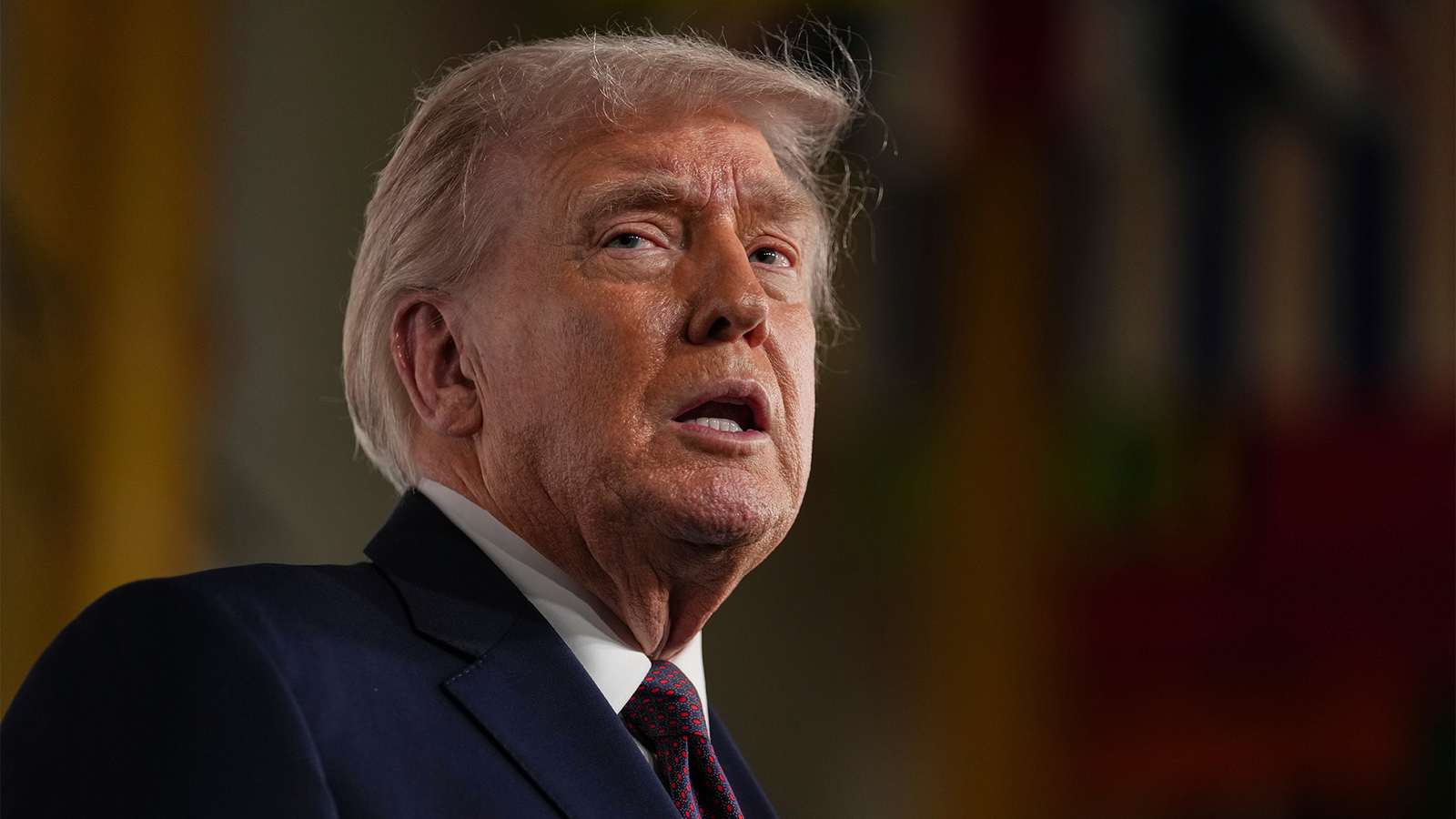
In a stunning legal move, President Donald Trump has filed a sweeping Trump IRS lawsuit against the Internal Revenue Service and the U.S. Treasury Department, seeking an extraordinary $10 billion in damages. The complaint, which also names his two eldest sons and the Trump Organization as plaintiffs, alleges that the federal agencies failed to protect highly sensitive tax information that was ultimately leaked to the press during his first presidential term.
The suit, filed in a federal court in Florida, represents one of the most aggressive legal challenges a sitting president has ever mounted against his own federal agencies. It places a sharp spotlight on questions about data security, government accountability, and the consequences of insider breaches at the nation’s tax collection agency.
The Core Allegations in the Trump IRS Lawsuit
At the heart of the Trump IRS lawsuit are allegations that the IRS and Treasury Department neglected their fundamental responsibility to safeguard confidential taxpayer data. The plaintiffs argue that both agencies breached what they describe as a sacred duty to protect sensitive financial information from unauthorized access and public dissemination.
According to the complaint, the unauthorized disclosure of the Trumps’ tax records caused severe reputational and financial harm. The plaintiffs claim the leak subjected them to public embarrassment, unfairly tarnished their business reputations, portrayed them in a false light, and negatively affected their public standing. These allegations form the foundation for the eye-popping $10 billion damages request.
The lawsuit frames the leak as more than a mere privacy violation. It characterizes the government’s failure to secure the data as a breach of public trust, suggesting that the IRS’s lapses had cascading consequences for the plaintiffs personally, professionally, and politically.
The Man Behind the Leak: Charles Littlejohn
The lawsuit traces the source of the disclosure back to a single individual: Charles Littlejohn, a government contractor who worked with the IRS. In 2023, Littlejohn pleaded guilty to stealing confidential tax records belonging to former President Trump and thousands of other wealthy Americans. He subsequently leaked this information to two major news organizations in 2019 and 2020.
Littlejohn’s actions constituted one of the most significant unauthorized disclosures of taxpayer information in American history. His motivations, while not fully detailed in court filings, were nonetheless consequential enough to draw sharp condemnation from the federal judiciary.
Following his guilty plea, he was sentenced to five years in federal prison. At his sentencing hearing in 2024, a federal judge characterized Littlejohn’s actions in strikingly severe terms, describing the disclosures as “an attack on our constitutional democracy.” That judicial language underscores the gravity with which the courts have treated the leak, lending weight to the plaintiffs’ argument that government agencies bear ultimate responsibility for preventing such breaches.
Why the Trump IRS Lawsuit Targets the Agencies, Not Just the Individual
A critical aspect of the Trump IRS lawsuit is its focus on institutional accountability. While Littlejohn was the individual who physically accessed and transmitted the records, the complaint directs its legal firepower at the IRS and Treasury Department themselves. The plaintiffs argue that systemic failures within these agencies enabled the breach in the first place.
This legal strategy reflects a broader principle: when government agencies hold vast troves of sensitive personal information, they have an elevated obligation to implement robust security measures. By suing the agencies directly, the Trump plaintiffs are essentially arguing that the federal government must answer not just for the actions of one rogue contractor, but for the entire security infrastructure that allowed such a breach to occur.
The suit also raises important questions about contractor oversight. Federal contractors handle enormous quantities of Americans’ most private information, yet oversight mechanisms vary widely. The Trump IRS lawsuit may push courts to scrutinize how agencies monitor the contractors they employ and what liabilities attach when those monitoring systems fail.
The $10 Billion Damages Figure: Context and Implications
The damages sought in the Trump IRS lawsuit, totaling $10 billion, represent an unusually large sum for a privacy-related case. While courts often reduce such requests significantly, the sheer scale of the claim serves several strategic purposes.
First, a massive damages figure signals the seriousness with which the plaintiffs view the alleged harm. Second, it provides substantial room for negotiation or reduction during any potential settlement discussions. Third, it draws media attention, which can apply public pressure on the defendants.
However, the plaintiffs face an uphill battle. Suing federal agencies involves navigating the complex landscape of sovereign immunity, which often limits the circumstances under which the government can be sued. The plaintiffs will need to demonstrate not only that the leak caused them concrete damages but also that federal law permits recovery against the agencies in such circumstances.
The Political Dimension of the Trump IRS Lawsuit
It is impossible to ignore the political context surrounding the Trump IRS lawsuit. The disclosure of Trump’s tax information became a major flashpoint during his first presidential campaign and continued to generate controversy throughout his administration. Trump had broken with decades of precedent by declining to publicly release his tax returns, making any unauthorized disclosure particularly newsworthy.
The leak also intersected with broader debates about presidential transparency, the proper boundaries of executive privacy, and the role of federal agencies in either protecting or exposing public officials. By filing this lawsuit, Trump is leveraging the legal system to push back against what he characterizes as politically motivated disclosures.
The fact that the suit names his sons, Donald Trump Jr. and Eric Trump, along with the Trump Organization, also signals that the family views the leak as having affected not just the president personally but the broader Trump business empire. The reputational stakes extend well beyond politics into the commercial realm, where the Trump brand remains a significant financial enterprise.
What Comes Next in the Trump IRS Lawsuit
The Treasury Department and the IRS have not yet publicly responded to requests for comment on the Trump IRS lawsuit. As the case proceeds, several key developments will likely shape its trajectory.
- Pleadings and motions: The federal government will almost certainly file motions challenging the legal basis for the suit, including potential sovereign immunity defenses.
- Discovery: If the case survives initial challenges, discovery could reveal significant details about how the IRS monitored contractors and what security lapses may have occurred.
- Damages calculations: The plaintiffs will need to substantiate their $10 billion figure with concrete evidence of reputational and financial harm.
- Public attention: Given the high-profile nature of the parties involved, the case will continue to attract significant media coverage throughout its lifecycle.
Broader Implications for Taxpayer Privacy
Regardless of one’s political views, the Trump IRS lawsuit raises issues that affect every American taxpayer. The IRS holds an extraordinary amount of sensitive financial data on virtually every person and business in the country. When that data is compromised, the consequences extend far beyond any single individual or family.
The Littlejohn case already prompted internal reviews at the IRS and broader discussions about contractor oversight. This new lawsuit may accelerate calls for legislative reforms aimed at strengthening protections around taxpayer information. Possible reforms could include enhanced background checks for contractors, stricter access controls, more aggressive auditing of contractor behavior, and clearer lines of legal accountability when breaches occur.
Conclusion: A Lawsuit With National Stakes
The Trump IRS lawsuit is far more than a personal grievance dressed up in legal language. It is a high-stakes legal confrontation that touches on government accountability, taxpayer privacy, contractor oversight, and the limits of federal liability. By seeking $10 billion in damages from the IRS and Treasury Department, the Trump family has transformed a 2019 leak into one of the most consequential privacy-related lawsuits against the federal government in recent memory.
As the case moves through the federal court system in Florida, it will test the boundaries of how much responsibility federal agencies bear for breaches committed by their contractors. Whether the court ultimately agrees with the plaintiffs’ sweeping characterization of government failure or imposes strict limits on recovery, the lawsuit has already succeeded in refocusing national conversation about who protects taxpayer data and what happens when that protection fails.
For now, all eyes remain on the Treasury and IRS as they prepare their response to a complaint that demands not just an answer, but a reckoning.