
The escalating Trump administration investigation into Democratic lawmakers has reached a new and alarming phase, with federal prosecutors now actively contacting members of Congress who participated in a video message encouraging U.S. service members to refuse illegal orders. What began as FBI outreach late last year has transformed into formal engagement with the U.S. Attorney’s Office for the District of Columbia, raising serious concerns about the weaponization of federal agencies against political opponents.
From FBI Inquiries to Federal Prosecutors: How the Investigation Escalated
The six Democratic lawmakers targeted in this expanding inquiry all share a distinctive background,each previously served in the military or worked within U.S. intelligence agencies. This common thread has made their situation particularly striking, given that their video message specifically encouraged troops to follow established legal protocols rather than unlawful commands.
According to reports, the FBI initially contacted these lawmakers for interviews in late 2025, shortly after the 90-second video was released. However, the recent escalation involving Jeanine Pirro’s office,the U.S. Attorney’s Office for the District of Columbia,marks a significant intensification in the federal government’s pursuit of these elected officials. Pirro’s office has declined to either confirm or deny the existence of a formal investigation, maintaining the prosecutorial discretion that has become characteristic of controversial Justice Department actions during this administration.
The Six Lawmakers Under Scrutiny
The Democratic members of Congress caught in this widening net include:
- Senator Elissa Slotkin (Michigan) – Former CIA analyst who first revealed the prosecutorial outreach in an interview with The New York Times
- Senator Mark Kelly (Arizona) – Retired Navy Captain currently facing separate Pentagon action
- Representative Chrissy Houlahan (Pennsylvania) – Air Force veteran representing Chester and parts of Berks County
- Representative Jason Crow (Colorado) – Former Army Ranger
- Representative Maggie Goodlander (New Hampshire) – Former Navy intelligence officer
Slotkin took to her X account with a video statement that captured the gravity of the situation. “This is the president’s playbook. Truth doesn’t matter. Facts don’t matter. And anyone who disagrees with him becomes an enemy,” she declared. “And he then weaponizes the federal government against them. It’s legal intimidation and physical intimidation meant to get you to shut up.”
Representative Houlahan Speaks Out on Legal Intimidation
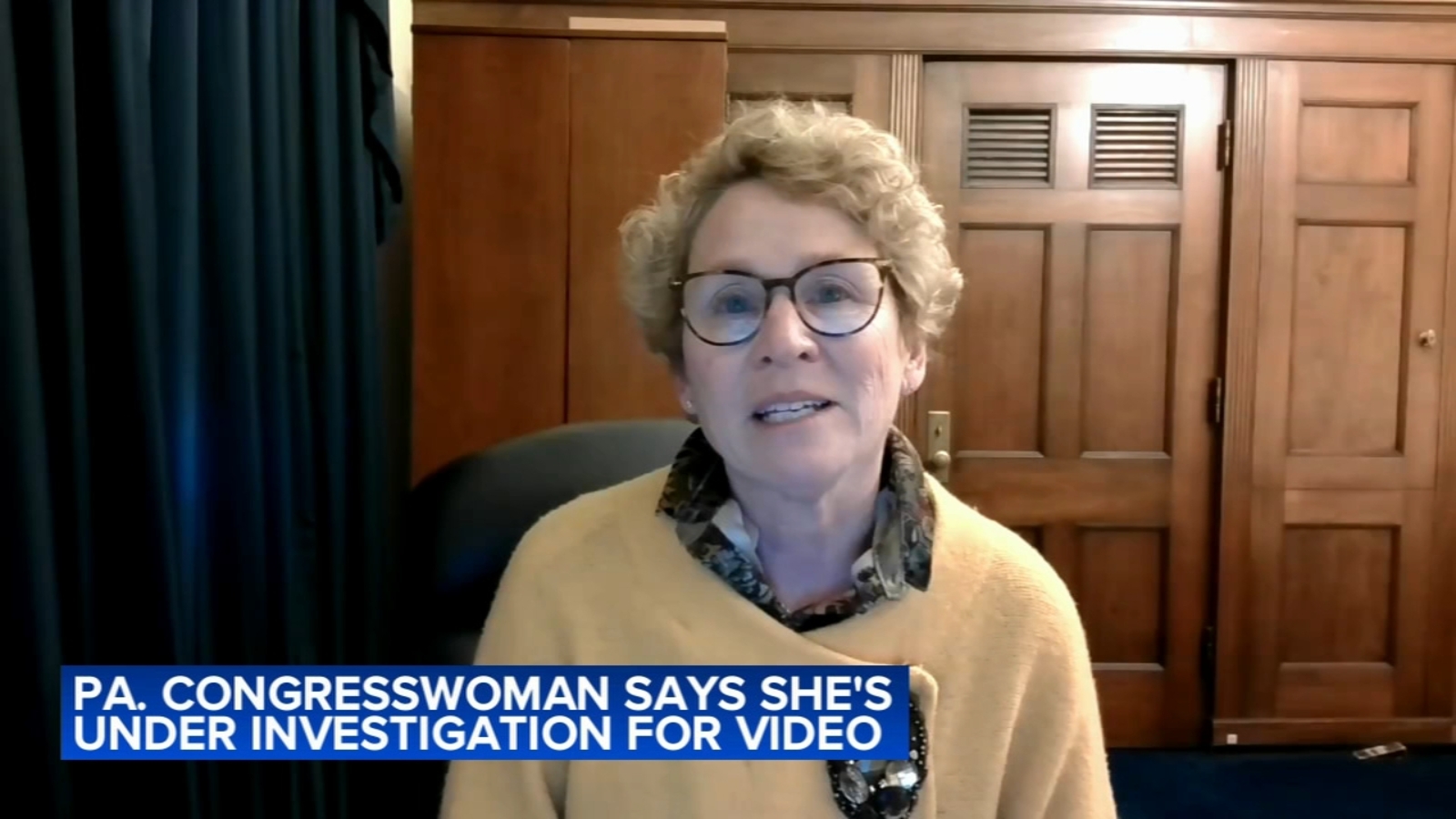
Pennsylvania Congresswoman Chrissy Houlahan has been particularly vocal about the intimidating nature of the Trump administration investigation she faces. The Air Force veteran explained that Department of Justice representatives recently approached her seeking information about her participation in the video.
“Largely at this point, they are asking for conversations, and I’m not sure to what end,” Houlahan noted in a recent media appearance. “Again, no laws were broken in encouraging people to follow the law.”
Her concerns extend beyond the legal proceedings themselves. Houlahan has expressed worry that this high-profile scrutiny might endanger her family and staff, noting that such investigations can “put a target on my back.” This fear reflects a broader anxiety among Democratic officials who view the inquiry as retribution rather than legitimate law enforcement.
The Pennsylvania Congresswoman’s Broader Concerns
Houlahan framed the investigation as part of a troubling pattern affecting multiple federal departments. “It should be worrisome to everyone that the administration appears to be weaponizing the Department of Justice and the Department of Defense as well, against people who dare to speak out against the president, or who dare to say the truth,” she observed. Her comments highlight the dual-track nature of the federal response,criminal investigation through the DOJ and military discipline through the Pentagon.
The Pentagon Strikes Back: Senator Kelly’s Battle
While the Justice Department pursues one track of action, the Department of Defense has simultaneously opened its own offensive against Senator Mark Kelly. In November, the Pentagon initiated an investigation into the Arizona Democrat and retired Navy Captain, invoking a federal law that permits the defense secretary to recall retired service members to active duty for potential court-martial proceedings.
Defense Secretary Pete Hegseth has formally censured Kelly for his participation in the video and is now attempting to retroactively demote the senator from captain to a lower rank,a punishment Kelly’s lawsuit describes as unconstitutional retaliation. The senator’s legal challenge argues that “the First Amendment forbids the government and its officials from punishing disfavored expression or retaliating against protected speech.”
The Kelly Lawsuit: A Constitutional Showdown
Kelly’s legal team has framed the Pentagon’s actions as an unprecedented overreach that strikes at the heart of American democratic principles. By seeking to demote a sitting U.S. Senator based on speech protected by the First Amendment, the Defense Department has created a constitutional crisis that will likely test the boundaries of military authority over retired service members who hold civilian office.
Defiance in the Face of Federal Pressure
Despite the intimidating nature of these investigations, the targeted lawmakers have responded with remarkable resolve. Representative Jason Crow, a former Army Ranger who served in Iraq and Afghanistan, declared that the administration “picked the wrong people.” His statement reflects the collective sentiment among these veteran lawmakers who view their military service as direct evidence of their loyalty to constitutional principles.
Representative Maggie Goodlander issued a particularly pointed response, stating: “It is downright dangerous that the Justice Department is targeting me for doing my job. These threats will not deter, distract, intimidate, or silence me.” Her defiant posture has become a rallying point for Democrats who argue that the investigation represents an existential threat to congressional independence.
Democratic Leadership Stands Firm
House Democratic Leader Hakeem Jeffries has thrown the full weight of his caucus behind the investigated members, asserting publicly that “these members of Congress did not violate the law” and that Democrats “stand firmly behind them.” This unified response signals that party leadership views the matter as a defining constitutional issue rather than a series of individual legal entanglements.
The Seditious Accusation: A Questionable Legal Foundation
Perhaps the most alarming element of this controversy involves President Trump’s characterization of the lawmakers’ video as “seditious” and his assertion on social media that sedition is “punishable by death.” This inflammatory language raises profound questions about the boundaries of executive rhetoric and its potential to incite violence against political opponents.
Legal experts have noted significant problems with applying sedition statutes to the lawmakers’ conduct. The video in question explicitly told service members to follow established military protocols,specifically, to refuse orders that violate the law. This message aligns perfectly with the Uniform Code of Military Justice, which requires service members to disobey unlawful orders. There is no clear legal framework under which encouraging lawful behavior could constitute seditious conspiracy.
Broader Implications for American Democracy
The Trump administration investigation into these Democratic lawmakers represents more than a single legal dispute,it embodies a fundamental question about the appropriate relationship between the executive branch and the legislative branch. When federal prosecutors target sitting members of Congress for protected speech, the constitutional system of checks and balances faces unprecedented strain.
The simultaneous deployment of both the Justice Department and the Department of Defense against these lawmakers creates a particularly concerning pattern. While the DOJ pursues criminal inquiry through the U.S. Attorney’s Office, the Pentagon threatens military discipline against retired service members who now serve in Congress. This dual pressure campaign suggests a coordinated effort to silence dissent through multiple legal mechanisms.
Safety Concerns and Political Violence
The targeting of lawmakers through federal investigations carries consequences beyond the legal sphere. Representative Houlahan’s concerns about personal safety reflect a documented rise in threats against elected officials across the political spectrum. When federal agencies publicly scrutinize members of Congress, they inevitably amplify those individuals’ visibility to potential bad actors who might wish them harm.
Moreover, the president’s characterization of the lawmakers’ actions as worthy of capital punishment creates an atmosphere that security professionals have repeatedly warned could encourage violence. Political rhetoric that dehumanizes opponents has historically correlated with increased threats against those individuals, regardless of whether such rhetoric is literally intended to incite harm.
Looking Ahead: Constitutional Battles on Multiple Fronts
As this situation develops, multiple legal challenges will likely unfold in coming months. Senator Kelly’s lawsuit against Defense Secretary Hegseth will test the boundaries of military authority over retired service members. Any potential criminal charges stemming from the Justice Department investigation would raise fundamental First Amendment questions about protected speech by elected officials.
The congressional response to these investigations will also shape the political landscape heading into future elections. Democrats have framed the matter as a defining issue about democratic governance, while the administration has positioned itself as defending military order and national security. This rhetorical divide suggests that the legal battles will be accompanied by intense political contestation.
Conclusion: A Pivotal Moment for Constitutional Governance
The Trump administration investigation into Democratic lawmakers represents a critical inflection point in American constitutional history. When a sitting president accuses members of Congress of crimes worthy of death, and federal agencies pursue those same lawmakers through both criminal and military channels, the foundational principles of democratic governance face their most serious test in decades.
The six lawmakers targeted,including Senator Slotkin, Senator Kelly, and Representative Houlahan,have responded not with retreat but with defiant commitment to their constitutional duties. Their collective stand against what they characterize as weaponized federal power reflects a broader concern shared by millions of Americans: that the institutions designed to constrain governmental overreach must themselves be defended against those who would exploit them for political purposes.
As courts consider the legal questions raised by these investigations, and as the American public observes the unfolding confrontation between branches of government, the ultimate outcome will shape the relationship between political expression and governmental power for generations to come. The stakes could not be higher, and the resolution of these investigations will likely define the character of American democracy in the years ahead.