
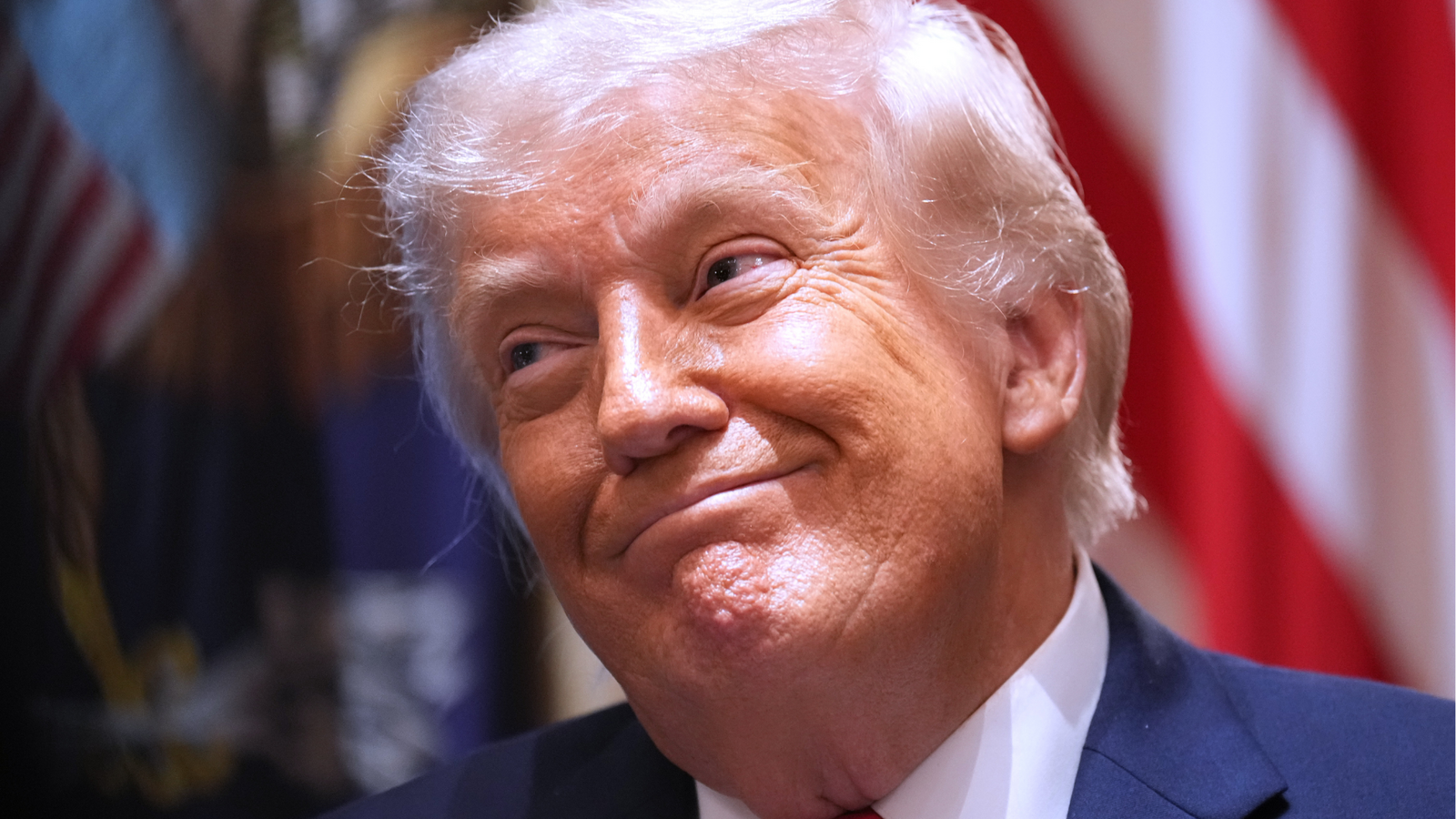
In a development that has captured national attention, the U.S. Treasury is pushing ahead with plans for a $250 commemorative bill that would feature President Donald Trump’s portrait and signature. This unprecedented move would mark the first time a living person has appeared on American paper currency in more than a century and a half, breaking a long-standing tradition that has governed U.S. currency design since the Civil War era.
The Push Behind the $250 Commemorative Bill
Treasury Department officials, including U.S. Treasurer Brandon Beach and Treasury Secretary Scott Bessent, have actively encouraged the Bureau of Engraving and Printing (BEP) to begin preliminary design work on the proposed currency. Sources familiar with the internal discussions revealed that both officials have specifically advocated for adding the president’s signature to the new bill, an extraordinary feature that would further distinguish it from any previously issued American money.
The Treasury Department confirmed the bureau’s involvement in a statement, noting that the BEP is “conducting appropriate planning and due diligence” should the enabling legislation ultimately become law. A department spokesperson described the effort as a “proactive” measure, signaling that the administration wants to be prepared if Congress acts.
The number 250 is not arbitrary. The commemorative bill is tied directly to the upcoming 250th anniversary of the United States, positioning the currency as a celebratory artifact meant to honor the nation’s founding. In a written statement, the spokesperson explained that “the BEP is moving proactively to produce a $250 commemorative note which will appropriately recognize the 250th Anniversary of our great nation.”
The Legal Hurdles Facing Trump on Currency
Despite the enthusiasm within the Treasury, significant legal obstacles remain. Current federal law explicitly prohibits living individuals from appearing on United States currency. This restriction has been in place for over 150 years, and any change would require congressional action.
Republican Representative Joe Wilson of South Carolina has introduced legislation aimed at doing exactly that. His bill would direct the Treasury Department to print $250 Federal Reserve notes featuring a portrait of Trump. The legislation currently has 15 Republican cosponsors, a modest figure given that it was introduced more than a year ago.
The bill remains stalled in the House Financial Services Committee, where it has languished without advancing. For the measure to reach the president’s desk, it would need to clear the House, pass the Senate with a bipartisan supermajority of 60 votes, and then be signed into law. Given that Democrats are widely expected to oppose the effort, the path forward appears narrow.
What Happens If the Bill Expires?
If the legislation fails to pass before the end of the 119th Congress, it will expire automatically. However, Wilson or another lawmaker could reintroduce the bill in the 120th session, keeping the concept alive for future consideration. This means the idea of Trump on currency could resurface in subsequent legislative sessions, even if the current attempt stalls.
Why This Would Be Historically Significant
The proposed currency represents a profound break from American numismatic tradition. Since the post-Civil War era, U.S. paper money has featured only deceased historical figures, ranging from presidents like Abraham Lincoln and Alexander Hamilton to founding fathers and other notable statesmen. Putting a sitting president’s portrait on circulating currency would shatter that convention and open the door to politically motivated currency design in the future.
Critics argue that placing a living politician on money risks transforming currency into a tool of political propaganda. Supporters, however, frame the $250 bill Trump design as a fitting tribute to both the president and the nation’s milestone anniversary, emphasizing the historic nature of the semiquincentennial celebration.
The Signature Question
Beyond the portrait itself, the addition of the president’s signature adds another layer of political symbolism. Traditionally, U.S. currency bears the signatures of the Treasury Secretary and the U.S. Treasurer, not the president. By incorporating Trump’s signature, the proposed bill would elevate the executive branch’s presence on American money in a way never before attempted.
When asked about the inclusion of the signature, the Treasury Department stood by the decision, stating: “Based on the recommendation of U.S. Treasurer Brandon Beach, Secretary Bessent will recognize the historic achievements of our great country and President Trump by adding his signature to the currency.”
Funding the Commemorative Currency
One notable aspect of the plan is how it would be financed. The Treasury Department has emphasized that no taxpayer dollars would be used to produce the new $250 commemorative bill. Instead, the Bureau of Engraving and Printing funds its operations entirely through product sales and billing services, rather than relying on annual congressional appropriations.
This funding structure means the commemorative currency could be produced without adding to the federal budget, a politically appealing feature for legislators weighing their support. However, the bill’s $250 denomination is unusual for everyday circulation, suggesting it may be marketed more as a collector’s item or commemorative keepsake rather than a practical medium of exchange.
Republican Leadership Remains Silent
Despite the Treasury’s enthusiasm, Republican leadership has not publicly committed to supporting Wilson’s bill. None of the party’s top leaders have signed on as cosponsors, leaving the legislation without high-profile endorsement from House or Senate leadership. This silence has fueled speculation about the bill’s viability, even within the president’s own party.
The lack of a clear endorsement from Republican leadership stands in contrast to the Treasury’s proactive planning. While the administration appears ready to act, congressional gatekeepers have not signaled that they intend to fast-track the measure.
A Broader Pattern of Commemorative Trump Items
The proposed $250 bill with Trump portrait is part of a wider effort by the administration to commemorate the nation’s 250th anniversary with branded items featuring the president’s image. The State Department recently announced it would begin issuing special edition passports featuring Trump’s portrait and signature, marking another unprecedented use of a living president’s likeness on official government documents.
This pattern suggests the administration is intent on weaving the president’s image into the broader celebration of American history, blurring the lines between official commemoration and personal political branding. Supporters view these efforts as appropriate recognition of a sitting president during a milestone anniversary. Opponents see them as an overreach that politicizes national symbols.
What the Future Holds for the $250 Bill
The fate of the commemorative currency remains uncertain. With the bill stalled in committee, opposition likely in the Senate, and no firm commitment from Republican leadership, the legislation faces an uphill battle. Yet the Treasury’s willingness to begin planning indicates that the administration views the proposal as more than a symbolic gesture.
Should the legislation eventually pass, it would transform the landscape of American currency design forever. A living president’s portrait and signature on a Federal Reserve note would represent a radical departure from precedent and could set a new standard for how the nation commemorates its leaders on official instruments of commerce.
Whether one views the proposal as a fitting tribute or an alarming precedent, the discussion surrounding the $250 commemorative bill has already sparked a national conversation about the intersection of politics, history, and currency design , a conversation that will likely continue well beyond the current congressional session.
Final Thoughts
The proposal for a $250 commemorative bill featuring Trump’s portrait and signature represents one of the most ambitious attempts to reshape American currency in modern memory. While the Treasury Department appears eager to move forward, the path through Congress remains fraught with challenges. As the nation approaches its 250th birthday, the debate over whether a sitting president should appear on money is poised to become one of the defining cultural and political conversations of the era. For now, the bill serves as a fascinating case study in how legislation, tradition, and political symbolism collide in the realm of U.S. commemorative currency.