
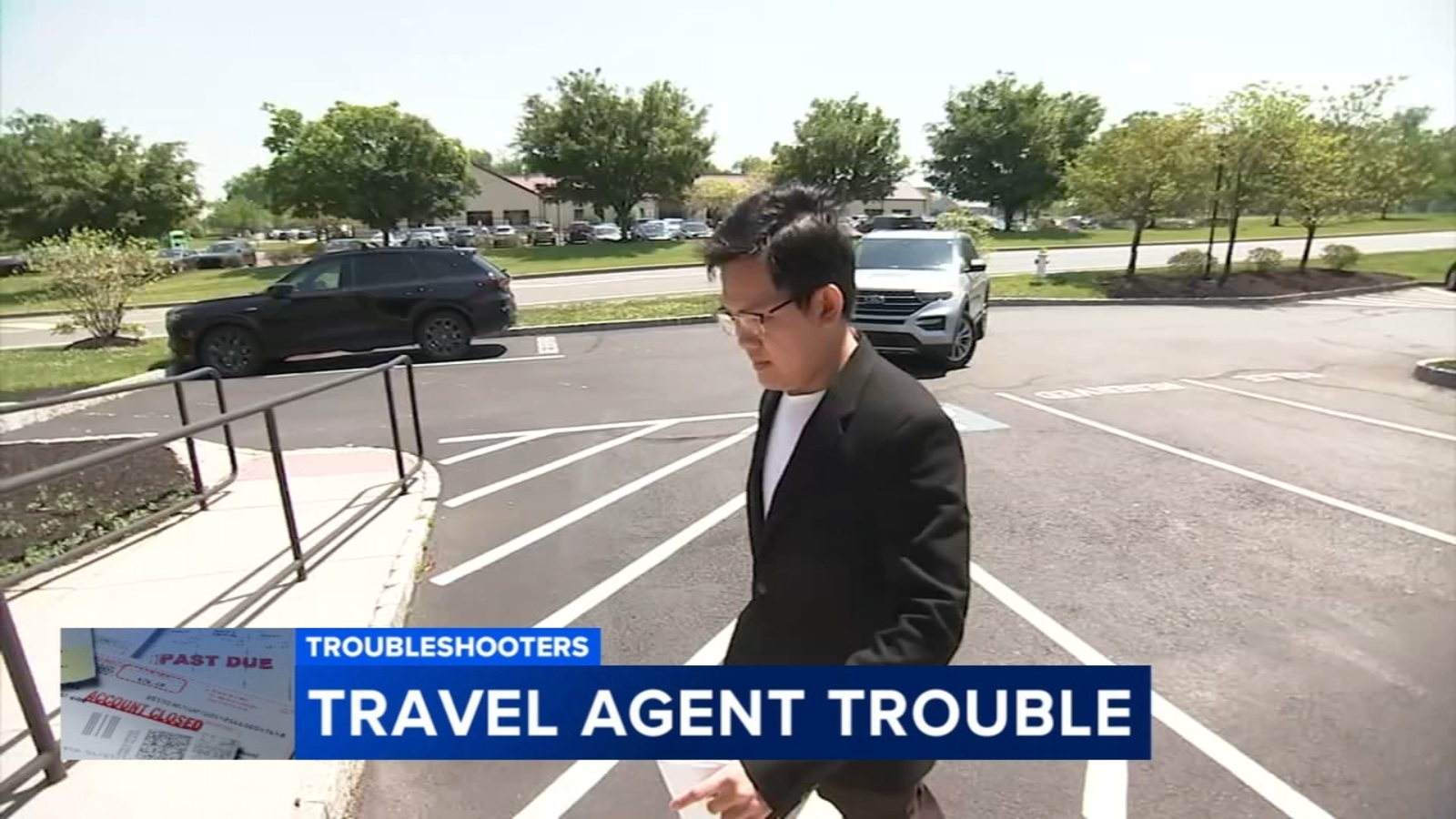
In a significant development for a travel scam case that has shaken the Vietnamese community nationwide, alleged victims gathered at a Montgomery County courthouse this week to witness the legal process move forward. William Nguyen, one of the accused operators behind the scheme, appeared for his preliminary hearing in Souderton, Pennsylvania, marking a pivotal moment in a case that has consumed years of advocacy and heartbreak for dozens of families.
The case centers on Xuat Canh My, a travel agency that allegedly defrauded at least a dozen customers out of more than $50,000 by accepting payments for plane tickets and travel documents to Vietnam that were never delivered. The community-driven pursuit of justice demonstrates how targeted fraud can galvanize victims across state lines into a unified movement for accountability.
The Allegations: How the Travel Agency Fraud Unfolded
William Nguyen and Hien T. Nguyen, identified by consumers as mother and son, built their operation around exploiting trust within their own Vietnamese community. According to the criminal complaint, the duo allegedly communicated with prospective clients and accepted payments for travel arrangements that never materialized.
Payment Methods Exposed in the Scheme
- Personal checks made directly to William Nguyen
- Zelle transfers processed through personal accounts
- Arrangements for trips to Vietnam that were never booked or confirmed
Victims allege that the operators leveraged cultural and linguistic familiarity to gain confidence, then disappeared with funds once payments were collected. This pattern of in-community targeting makes the alleged travel agency fraud particularly devastating, as it weaponizes the very trust that makes immigrant communities strong.
Victims Traveled Across State Lines to Be Heard
One of the most striking elements of this case is the determination shown by the alleged victims. Chloe Tran, who traveled from Cincinnati, Ohio, summed up the collective sacrifice: “People really dropped everything, like from their jobs, to be here today.” Her words capture the gravity of what was at stake, not just financially, but as a matter of community justice.
Geographic Spread of the Alleged Scam Victims
According to reports, those who appeared in court came from an extensive list of states, demonstrating the nationwide reach of the alleged scheme:
- Tennessee
- Oklahoma
- New Jersey
- Florida
- Michigan
- Mississippi
- Ohio
Royal Chatman and Ny Ha, who say they are owed more than $15,000, made the journey from Mississippi specifically to attend the hearing. Their presence underscored how the financial damage rippled far beyond Pennsylvania’s borders.
From Victims to Voices: A Movement Takes Shape
The emotional weight of the hearing was perhaps best captured in a statement from Royal Chatman, who transformed the language of victimhood into empowerment: “We’re not victims anymore. We are voices that came together to see that nobody else, from this country, from another state, nobody else becomes a victim.”
This reframing represents something powerful in the broader conversation about consumer protection and victim advocacy. Rather than allowing shame or skepticism to silence them, the affected families chose visibility and collective action.
The Role of Community Nonprofit Vietgroup Empowers
Behind this unified effort stands Vietgroup Empowers, a community nonprofit organization that helped bring affected consumers together and served as a bridge between victims, the Troubleshooters investigative team, and law enforcement authorities. Without such grassroots organizing, scattered individual complaints rarely escalate into the kind of coordinated legal action seen in this case.
The Courtroom: What Happened at the Preliminary Hearing
William Nguyen waived his preliminary hearing and entered a not guilty plea to charges that include theft by deception and deceptive business practices. When reporters attempted to give him an opportunity to address his alleged victims, his response was simply, “no.”
Assistant District Attorney Christian Taffe of the Montgomery County District Attorney’s Office explained the legal significance of the waiver: “By waiving today, that goes to show that there was enough evidence for this case to move forward, and that this is an individual involved in what was a scam that affected many people.”
Charges and Legal Status
- William Nguyen: Charged with theft by deception and deceptive business practices, pleaded not guilty, waived preliminary hearing
- Hien T. Nguyen: Has not been charged as of the most recent reporting
- Total alleged losses: More than $50,000 from at least a dozen customers
Where the Case Stands: Ongoing Investigation and Next Steps
The Montgomery County District Attorney’s Office has confirmed that the investigation is continuing. While William Nguyen’s case is now formally moving into the next phase of legal proceedings, authorities are still examining Hien T. Nguyen’s role and potentially identifying additional victims who have not yet come forward.
How to Report Information
Anyone with relevant information about Xuat Canh My or the alleged operations of William and Hien T. Nguyen is encouraged to contact the Montgomery County District Attorney’s Office. Even those who may have felt uncertain about whether their experience qualified as fraud are urged to come forward, as patterns often emerge when additional witnesses share their stories.
The Earlier Warning: How the Story First Surfaced
The Troubleshooters initially exposed concerns about Xuat Canh My in 2024, warning the Vietnamese community specifically about the travel agency operating out of Souderton, Pennsylvania. At the time of that first report, a spokesperson for the agency provided a statement defending the business: “We always put the benefit of our customers first. If there are any errors, we accept all legal responsibilities…”
The contrast between that public statement and the subsequent legal developments highlights a recurring challenge in travel scam cases. Operators often maintain polished public personas while allegedly engaging in practices that betray the very customers they claim to serve. The 2024 warning proved prescient, and the legal system now has an opportunity to validate the concerns raised by early whistleblowers and community advocates.
Lessons in Community Resilience and Consumer Awareness
This case offers several important takeaways for both the Vietnamese community and the broader public regarding how travel scams operate and how victims can organize effectively.
Red Flags for Identifying a Potential Travel Scam
- Requests for payment through personal channels like personal checks or peer-to-peer apps such as Zelle, rather than established business accounts
- Pressure to pay quickly or in full before documents are verified
- Lack of proper licensing or registration information readily available
- Reliance on community trust rather than verifiable credentials
- Reluctance to provide written receipts, contracts, or detailed itineraries
Why In-Community Targeting Is Particularly Harmful
Scams that target specific ethnic or linguistic communities exploit shared language, cultural references, and trust networks. While these same networks can become powerful tools for fraud, they can also serve as powerful tools for justice, as this case demonstrates. The mobilization of victims across at least seven states shows how community bonds, when properly directed, can become a force for accountability.
Looking Ahead: What This Case Means for Future Scam Victims
The progress in this case sends a clear message to potential fraudsters and a hopeful signal to victims everywhere. Chloe Tran captured the emotional significance of the moment with a simple but powerful declaration: “I’m proud of all of us for making it this far.” Her pride reflects not just in the legal progress, but in the personal courage required to step forward publicly and demand accountability.
The victims have also expressed hope that their visibility will encourage others who have been silent to come forward. As Tran noted, the goal extends beyond personal restitution: “Through this, (we hope) more people would feel more encouraged and empowered to speak up to help with this case as well.” This ripple effect could expand the scope of the investigation and potentially lead to additional charges or broader remedies.
Conclusion: A Cautionary Tale With a Path Forward
The travel scam case involving Xuat Canh My represents both a sobering reminder of how fraudsters exploit vulnerable communities and an inspiring example of what collective action can achieve. From the initial 2024 warnings to the recent courtroom developments, this story illustrates the importance of investigative journalism, community organizing, and persistent legal advocacy.
While the alleged victims have waited years for their day in court, the waiver of the preliminary hearing represents a significant step toward resolution. The case now moves forward with formal charges, an ongoing investigation, and a community that has transformed its grief into a unified demand for justice. For other potential travel scam victims watching from the sidelines, this case offers a roadmap: document everything, find allies, contact authorities, and never underestimate the power of voices raised together.