
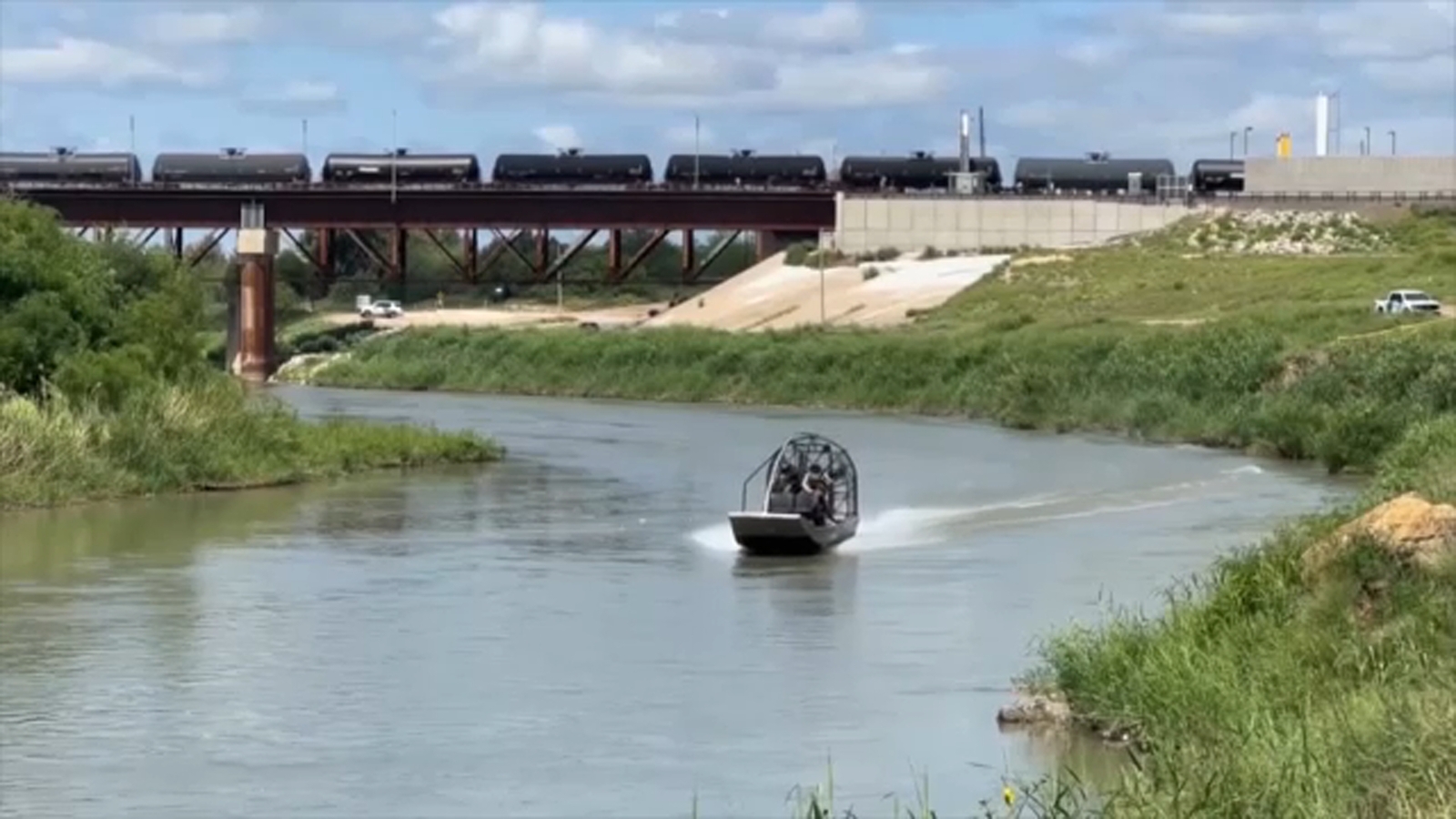
Six people lost their lives in a tragic case of train boxcar deaths discovered in Laredo, Texas. The shipping container where the victims were found had departed from Long Beach, California, according to law enforcement officials who released further details about the incident on Thursday. The deceased were migrants from Honduras and Mexico, including a 14-year-old boy, who had been packed into a freight train container as part of a human smuggling operation.
This heartbreaking event has once again drawn attention to the dangerous journey many migrants undertake in search of a better life in the United States, and it raises serious questions about the smuggling networks that exploit vulnerable people along the U.S.-Mexico border.
What Happened Inside the Container
Authorities confirmed that the six individuals were placed inside the sealed shipping container on Saturday in Del Rio, Texas, approximately two days after the freight train had originally departed from Long Beach. According to Laredo Police Chief Miguel Rodriguez Jr., the train made its way to the San Antonio area before finally arriving in Laredo on Sunday, where the devastating discovery was made.
Laredo serves as one of the busiest land ports for trade along the U.S.-Mexico border, making it both a critical commercial hub and, unfortunately, a common nexus for illegal activity, including the smuggling of people and contraband.
Causes of Death Revealed
Law enforcement officials determined that five of the six victims inside the boxcar died from heatstroke, while the sixth succumbed to hyperthermia. The sealed environment of a shipping container, combined with the high temperatures common in South Texas, created a lethal combination that left no chance of escape for those trapped inside.
The temperature inside a metal shipping container can rise dramatically, especially when exposed to direct sunlight for extended periods. Without adequate ventilation or access to water, the conditions become unsurvivable within hours, particularly for vulnerable individuals such as children, the elderly, or those with underlying health conditions.
The Victims: A Human Tragedy
The victims of this human smuggling tragedy represented two countries: Honduras and Mexico. Among them was a 14-year-old boy, whose death has particularly shocked community members and advocates for migrant rights. The inclusion of a minor highlights the extreme vulnerability of those who are often targeted by smuggling operations.
Origins of the Migrants
Details about the specific backgrounds of each victim remain limited as the investigation continues. What is clear is that these individuals were attempting to reach a destination within the United States, likely seeking economic opportunity, family reunification, or safety from violence and instability in their home countries.
Migrants from Honduras have historically fled gang violence, political instability, and economic hardship, while those from Mexico often seek to escape poverty, cartel violence, or pursue employment opportunities in the United States. The desperation that drives such journeys makes migrants particularly susceptible to exploitation by criminal smuggling networks.
A Seventh Victim Discovered
Compounding the tragedy, a seventh body was discovered along railroad tracks in Bexar County on Monday, located approximately 150 miles north of Laredo. This discovery has prompted further investigation into whether the individual is connected to the victims found in the train boxcar.
Chief Rodriguez stated that he could not immediately confirm any connection between the seventh body and the original six victims. However, the proximity in time and the nature of the deaths leave open the possibility that this person may have been part of the same smuggling operation or a related attempt to enter the United States via freight train.
Why Freight Trains Are Targets for Smugglers
The use of freight trains for smuggling operations is not a new phenomenon. Trains heading to the United States frequently slow down or come to complete stops in Mexican territory before crossing the border. These pauses create significant opportunities for smugglers to either load people or contraband onto the trains or to have individuals climb aboard during transit.
Vulnerabilities in Train-Based Smuggling
Several factors make freight train smuggling particularly dangerous:
- Extended time in enclosed spaces: Unlike walking through the desert, individuals hidden in containers may be trapped for days without access to food, water, or fresh air.
- Extreme temperatures: Metal containers can reach lethal internal temperatures, especially during warmer months in border states like Texas.
- Limited rescue opportunities: If something goes wrong during transit, those inside have no means of signaling for help or escaping.
- Predatory smuggling networks: Criminal organizations charge large sums for these dangerous journeys, often putting multiple unrelated individuals together in confined spaces with no regard for their safety.
Unlike migrants who attempt to cross the border on foot, those hidden inside containers are completely dependent on the schedule and route of the train. If the train is delayed, rerouted, or held up at any point, the conditions inside can deteriorate rapidly.
The Investigation Continues
Federal authorities have taken the lead in investigating this immigration tragedy, given the cross-border nature of the crime and the involvement of multiple jurisdictions. The investigation will likely focus on identifying the smuggling organization responsible, tracing the journey of the container, and potentially locating additional victims or survivors.
Legal Consequences for Smugglers
Human smuggling is a serious federal crime in the United States, carrying significant penalties including lengthy prison sentences and substantial fines. When smuggling operations result in death, additional charges such as manslaughter or murder can be brought against those responsible.
Past cases involving train container deaths have resulted in convictions for smuggling organizations, though enforcement is complicated by the international nature of the crime and the difficulty of tracking individuals who operate across multiple borders.
Broader Implications for Border Security
This incident highlights the ongoing challenges faced by border communities and law enforcement agencies in addressing human trafficking and smuggling operations. While enforcement efforts have intensified in many areas, the vast and porous nature of the U.S.-Mexico border makes complete prevention virtually impossible.
The Human Cost of Smuggling
Beyond the statistics and the legal proceedings, every smuggling tragedy represents a profound human loss. Families are left grieving in distant countries, often without even knowing what happened to their loved ones. The 14-year-old victim in this case was someone’s child, someone’s grandchild, and someone who had their entire life ahead of them before it was cut short by the decisions of others.
Advocates for migrant rights often point to such tragedies as evidence that current immigration policies fail to address the root causes of migration. When people are willing to risk their lives in sealed containers, it suggests that the perceived alternatives are even worse, whether that means gang violence, extreme poverty, or political persecution in their home countries.
Community Response and Memorial
The Laredo community, like many border towns, is no stranger to the consequences of human smuggling. Local officials, faith leaders, and advocacy organizations often find themselves responding to tragedies that involve migrants who have died attempting to reach the United States.
While no formal memorial was announced in the immediate aftermath of this discovery, the deaths serve as a sobering reminder of the human cost of illegal immigration and the dangerous methods that smugglers employ to profit from vulnerable populations.
Conclusion
The train boxcar deaths in Laredo, Texas, represent yet another devastating chapter in the ongoing story of migration along the U.S.-Mexico border. Six individuals, including a young teenager, lost their lives in a sealed shipping container that had traveled from Long Beach, California, after being loaded with people in Del Rio, Texas. The deaths from heatstroke and hyperthermia underscore the extreme dangers of container-based smuggling, where victims have no escape from rising temperatures and no access to life-sustaining resources.
As federal authorities continue their investigation into this tragedy, the broader questions about border security, immigration policy, and the criminal networks that exploit desperate people remain unanswered. What is clear is that each victim in this case was a human being with a story, a family, and a future that was stolen by those who prioritized profit over human life. Their deaths should not be forgotten, and their stories should serve as a call to address the systemic issues that drive migration and the criminal enterprises that profit from human suffering.