
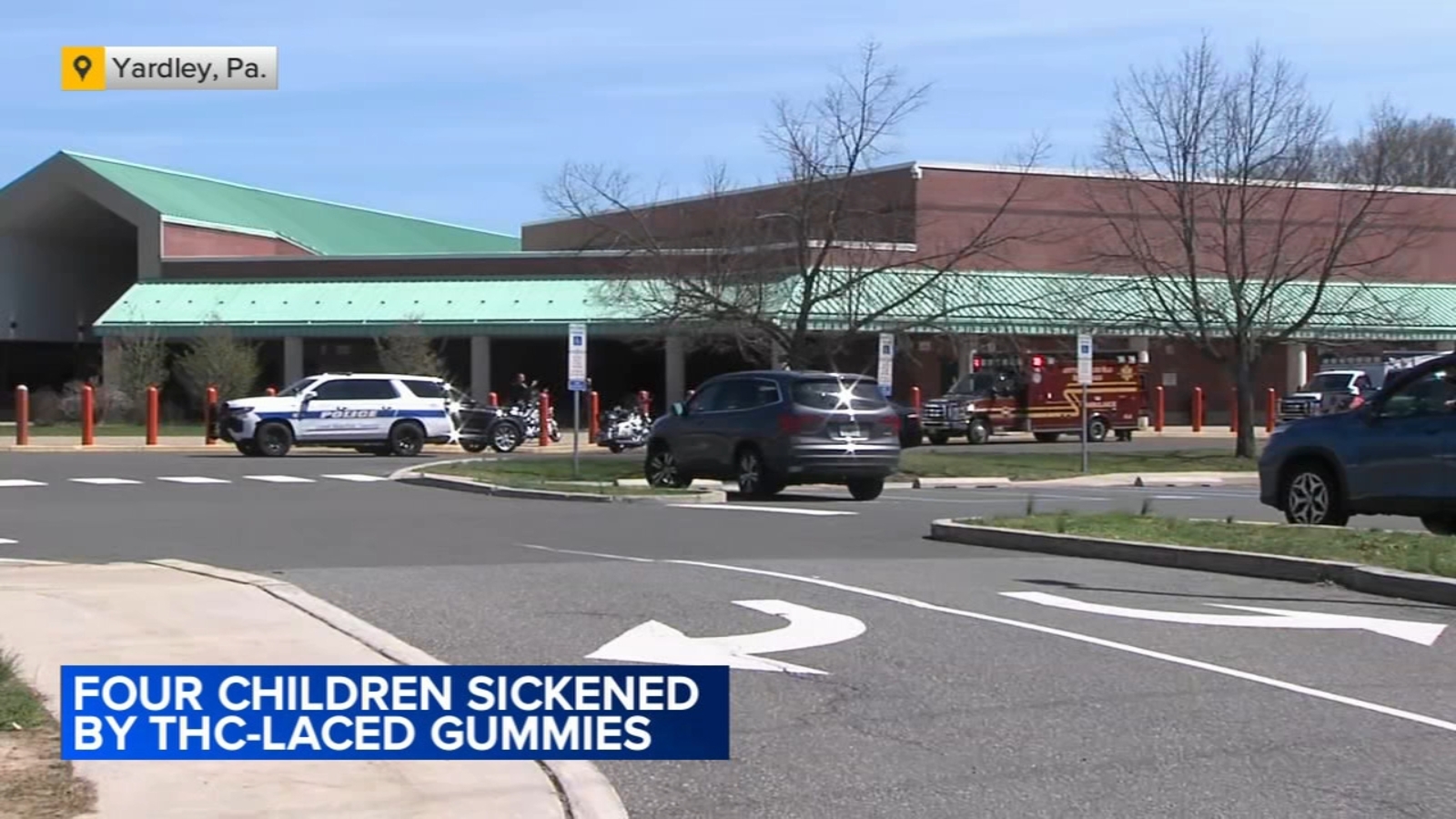
A concerning incident at a Bucks County middle school has reignited conversations about youth access to cannabis-infused products. Four THC gummies middle school students became ill after ingesting edibles containing tetrahydrocannabinol, raising urgent questions about product safety, adolescent vulnerability, and the evolving landscape of cannabis regulation in Pennsylvania and beyond.
The event at William Penn Middle School in Yardley, Pennsylvania, is not an isolated occurrence. As cannabis products become more mainstream and accessible, edible forms , particularly those designed to look like ordinary candy , present a growing challenge for parents, educators, and law enforcement. Understanding what happened, why it matters, and what can be done is essential for any community invested in youth wellbeing.
The Yardley Incident: What Happened
On a Thursday afternoon, emergency responders were dispatched to William Penn Middle School just before 2 p.m. after multiple students began exhibiting symptoms consistent with THC exposure. According to officials, three girls and one boy, all between the ages of 12 and 13, were affected.
Two of the girls and the boy were transported to a local hospital for medical evaluation, while the fourth student was released into the care of her parents at the school. The Lower Makefield Township Police Department launched an immediate investigation into how the children obtained the THC-infused edibles in the first place.
While the students are expected to recover, the episode served as a stark reminder that even in suburban communities with strong school systems, the threat of accidental cannabis ingestion among minors is real and present. School administrators and local authorities have since emphasized the need for vigilance and open dialogue with young people.
Why THC Gummies Pose Unique Risks for Adolescents
Unlike smoked or vaped cannabis, edibles , and gummies in particular , present a unique set of dangers for young users. Several factors contribute to this heightened risk profile.
Disguised Appearance
THC gummies are frequently packaged to mimic popular candy brands. Bright colors, familiar shapes, and fruit-forward flavors make them visually indistinguishable from ordinary sweets to a child or adolescent. This deception is more than aesthetic , it fundamentally changes how young people perceive the product’s risk.
Delayed Onset and Overconsumption
When THC is ingested rather than inhaled, the effects can take anywhere from 30 minutes to two hours to manifest fully. Adolescents unfamiliar with this delay may consume additional servings, believing the initial dose was ineffective. This pattern of overconsumption is a leading cause of adverse reactions among inexperienced users of any age, but teenagers are particularly susceptible due to curiosity, peer influence, and a developing sense of consequence.
Potency Variability
Homemade or unregulated THC products often lack standardized dosing. A single gummy from an unregulated source could contain anywhere from a few milligrams to over 100 milligrams of THC. For an adolescent whose body weight is significantly lower than that of an adult consumer, even moderate doses can produce overwhelming physiological and psychological effects, including severe anxiety, paranoia, rapid heart rate, nausea, and disorientation.
Developing Brains
Scientific research consistently indicates that the adolescent brain , still forming critical neural connections through the mid-20s , is particularly vulnerable to THC. Regular or high-dose exposure during these developmental years has been associated with impaired memory, reduced cognitive performance, and elevated risk of developing psychiatric conditions later in life.
The Broader Context: Cannabis Edibles and Youth Exposure
The Yardley incident is part of a wider trend that public health officials have been tracking for years. As cannabis legalization expands across the United States, the availability of edibles has surged. Many states now allow recreational cannabis sales, and even in states with medical-only programs, diverted products frequently find their way into the hands of minors.
The Centers for Disease Control and Prevention and the American Academy of Pediatrics have both issued warnings about accidental cannabis ingestion among children. Poison control centers across the country have reported significant increases in calls related to THC exposure, particularly among children under 18.
Middle school environments are uniquely susceptible to these incidents. Adolescents in this age group are navigating increased independence, heightened social pressure, and a natural curiosity about adult behaviors. When a product looks and tastes like candy, the perceived barrier to experimentation drops dramatically.
Legal Landscape and Accessibility Challenges
Pennsylvania has a medical cannabis program but has not yet legalized recreational marijuana for adult use. Despite this, unregulated THC products , including delta-8 and other hemp-derived cannabinoids , can often be purchased at smoke shops, convenience stores, or online with minimal oversight. These products frequently bypass the testing and packaging requirements applied to licensed dispensaries.
The proliferation of these semi-legal alternatives has created a gray market that is particularly difficult to regulate. Packaging may contain little or no child-resistant features, and dosage information is often inaccurate or absent. For communities trying to prevent youth access, this patchwork of regulations presents an ongoing challenge.
Law enforcement agencies like the Lower Makefield Township Police Department are tasked with tracing the origin of the THC gummies involved in the Yardley incident. Whether the products came from a licensed dispensary, an unregulated retailer, or a private individual will significantly shape the response and any potential legal consequences.
How Parents and Schools Can Respond
While the investigation continues, parents and educators can take proactive steps to reduce the likelihood of similar incidents in their own communities.
- Start early conversations about cannabis. Age-appropriate discussions about the differences between edibles and regular candy, and the real effects of THC on developing bodies, can equip children with the knowledge to make safer decisions.
- Secure cannabis products at home. Adults who use cannabis legally should store all products , especially edibles , in locked containers out of children’s reach. Many accidental ingestions occur at home, often involving products belonging to a parent or older sibling.
- Know the signs of THC exposure. Symptoms can include unusual drowsiness, impaired coordination, anxiety, paranoia, dilated pupils, and increased appetite. Recognizing these signs early can lead to faster medical intervention.
- Advocate for clear packaging laws. Communities can push for stronger regulations requiring child-resistant packaging, plain labeling, and accurate dosing on all cannabis products sold within their jurisdiction.
- Partner with schools on prevention programs. Evidence-based drug education curricula that address the specific risks of cannabis edibles have shown promise in reducing youth experimentation rates.
The Role of Community Awareness
Incidents like the one at William Penn Middle School underscore the importance of community-wide engagement. Schools, parents, healthcare providers, and local law enforcement each play a vital role in protecting young people from accidental or intentional cannabis exposure. No single entity can address the issue alone, but coordinated efforts , including public awareness campaigns, stricter retail oversight, and open family communication , can significantly reduce risk.
Local governments can also examine zoning and licensing rules to limit the proximity of cannabis retailers to schools and youth-oriented facilities. While such measures are not foolproof, they add another layer of protection for adolescents.
Conclusion
The Bucks County incident serves as a sobering reminder that THC gummies and other cannabis edibles pose a real and present danger to middle school students. As the cannabis marketplace continues to evolve, the gap between product availability and youth protection must be addressed through stronger regulations, smarter packaging, and ongoing education. Parents, teachers, and community leaders all share responsibility for creating environments where young people are informed, supported, and shielded from harm. By staying vigilant and proactive, communities can help ensure that stories like the one from Yardley remain rare exceptions rather than recurring events.