
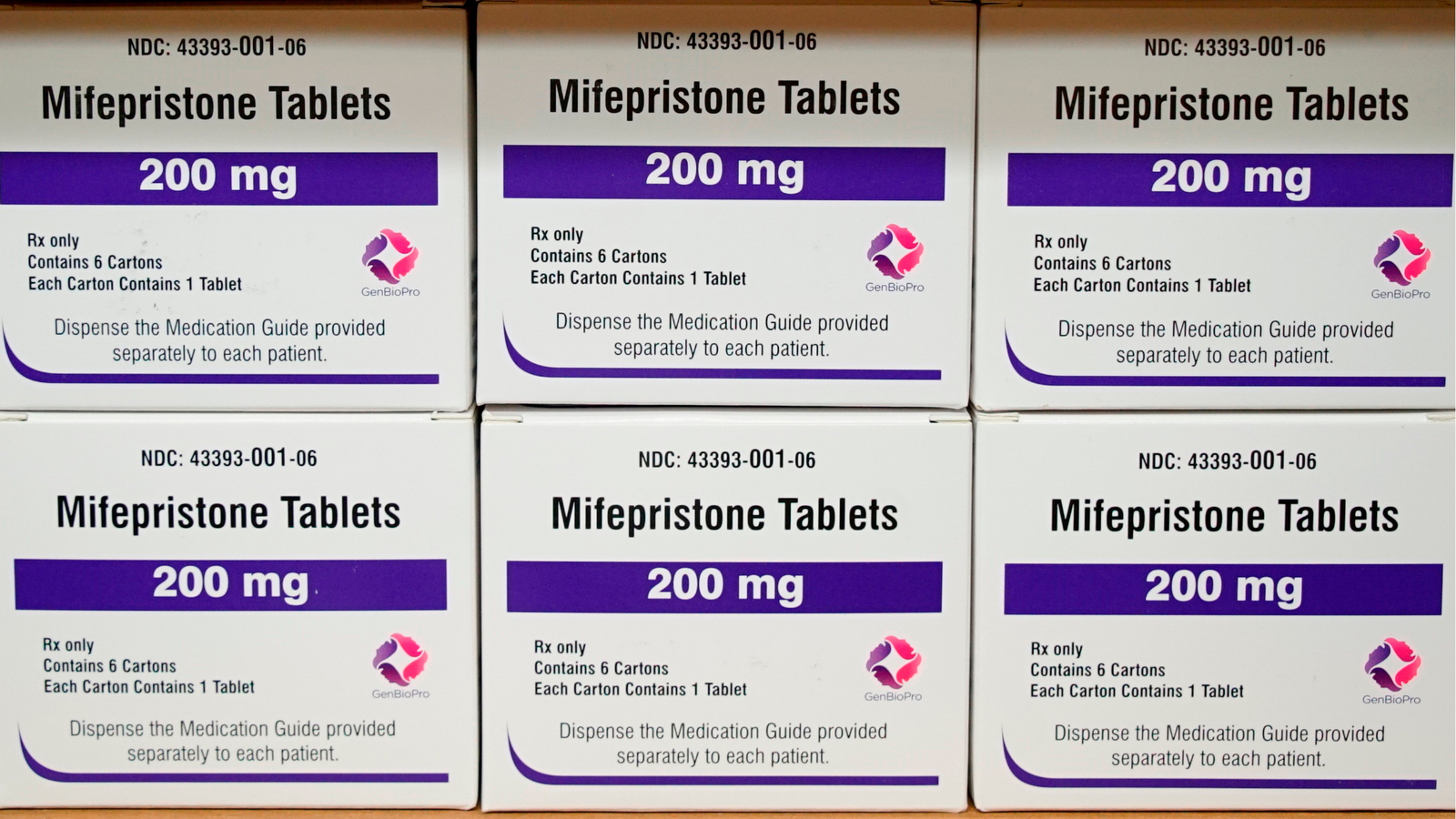
In a significant development for reproductive healthcare, the U.S. Supreme Court has ruled to preserve abortion pill access while a broader legal challenge continues to unfold. The decision allows women across the country to continue obtaining mifepristone,the drug at the center of the most common abortion method,through pharmacies and mail-order services, without the requirement of an in-person doctor visit. This ruling effectively puts a temporary hold on lower-court restrictions that would have dramatically reshaped how Americans access medication abortion.
For millions of women, especially those in rural areas or states with limited reproductive healthcare infrastructure, this ruling represents far more than a legal technicality. It safeguards a healthcare option that has become the dominant method of abortion care in the United States, according to the most recent available data.
Understanding the Supreme Court’s Decision
The justices granted emergency requests from the manufacturers of mifepristone, who were appealing a federal appeals court ruling that would have required women to visit a doctor in person and ended the practice of mailing the medication. By stepping in, the nation’s highest court ensured that abortion pill access would remain uninterrupted at least into the following year as the underlying case continues to work its way through the legal system.
The implications are substantial. Without this intervention, countless patients would have suddenly lost access to a medication they depend on for time-sensitive healthcare decisions. The court’s order acknowledges the real-world consequences of abruptly restricting a widely used, federally approved drug.
The Path That Led to This Moment
To fully appreciate the weight of this decision, it helps to understand the timeline:
- 2000: The Federal Food and Drug Administration (FDA) first approved mifepristone for abortion use.
- Approximately 2019-2020: The FDA eased regulations, removing the requirement for in-person doctor visits.
- 2021-2022: Following the Supreme Court’s overturning of Roe v. Wade, anti-abortion physicians filed suit challenging FDA regulations.
- Earlier ruling: The Supreme Court blocked a similar 5th Circuit ruling, with Justices Samuel Alito and Clarence Thomas dissenting.
- 2024: The Supreme Court unanimously dismissed the earlier doctors’ lawsuit on standing grounds.
- Present case: Louisiana-based lawsuit seeks to roll back FDA rules on mifepristone prescribing.
Why Mifepristone Access Matters So Much
Mifepristone is rarely used alone. In practice, it is typically combined with a second drug called misoprostol to complete a medication abortion. Together, these two medications have become the backbone of abortion care in America.
According to 2023 statistics,the most recent year for which comprehensive data is available,medication abortions accounted for nearly two-thirds of all abortions performed in the United States. That staggering figure underscores just how central abortion pill access has become to reproductive healthcare nationwide.
The Role of Telehealth and Mail-Order Pharmacies
One of the most consequential aspects of the FDA’s earlier regulatory changes was allowing mifepristone to be prescribed via telehealth platforms and delivered through the mail. This shift transformed access for women in healthcare deserts, those with disabilities, working parents, and individuals living under restrictive state laws who needed to travel for care.
Rolling back these provisions would not just create inconvenience,it would effectively make medication abortion inaccessible for large segments of the population. The Supreme Court’s decision preserves this critical pathway while litigation proceeds.
The Legal Battle: Louisiana’s Challenge
The current lawsuit originated in Louisiana, where state officials claim that the FDA’s permissive prescribing rules undermine the state’s near-total abortion ban. The state has also questioned the safety of mifepristone, despite decades of FDA scientific review repeatedly confirming that the drug is safe and effective when used as prescribed.
Lower courts initially sided with Louisiana, concluding that the state was likely to prevail on its claims. A three-judge panel of the 5th U.S. Circuit Court of Appeals subsequently ruled that mail delivery and telehealth access to mifepristone should be suspended during the litigation. That ruling is what the Supreme Court has now temporarily blocked.
Mainstream medical organizations, pharmaceutical industry leaders, and Democratic members of Congress all weighed in during the case, urging the justices not to limit access to the medication. Pharmaceutical companies warned that siding with abortion opponents could fundamentally destabilize the entire drug approval process in the United States,a concern that extends well beyond reproductive health.
The Trump Administration’s Complicated Position
Perhaps one of the most intriguing elements of this case has been the Trump administration’s notably quiet stance. Despite federal regulations being directly at issue, the administration declined to file a written brief recommending how the court should rule.
This silence reflects a difficult political tightrope. President Donald Trump has long relied on the support of anti-abortion constituencies, including groups like Susan B. Pro-Life America. Yet ballot measures and public polling consistently show that a majority of Americans support abortion rights in some form.
Adding another layer of complexity, FDA Commissioner Marty Makary resigned earlier in the week following months of criticism from Trump’s political allies, particularly abortion opponents who were frustrated with the pace of the FDA’s mifepristone review. Anti-abortion groups had specifically called on the President to remove Makary, arguing that the agency was moving too slowly in reevaluating the drug’s approval status.
Broader Context: Four Years After Roe
This Supreme Court intervention comes four years after the court’s conservative majority overturned Roe v. Wade, a decision that triggered a cascade of state-level abortion bans affecting more than a dozen states. Since then, the legal landscape around reproductive rights has been in constant flux, with courts repeatedly called upon to settle disputes over medication abortion, emergency care, and cross-state travel for procedures.
The pattern is familiar. Roughly three years ago, abortion opponents brought a similar case before the Supreme Court. That earlier challenge was brought by physicians who opposed abortion and filed suit in the immediate aftermath of the Dobbs decision. The Supreme Court ultimately dismissed that case unanimously in 2024, ruling that the doctors lacked legal standing to sue. Yet the underlying regulatory questions never went away,and Louisiana’s lawsuit represents the next chapter in this ongoing saga.
The Stakes for Drug Approval Beyond Abortion
One underappreciated dimension of this case is what it could mean for pharmaceutical regulation more broadly. Drug manufacturers argued forcefully that a ruling against mifepristone access would “upend the drug approval process,” potentially exposing every FDA-approved medication to retroactive legal challenges based on state-level objections. This argument resonated with industry groups across the pharmaceutical sector, not just those focused on reproductive health.
The FDA has progressively eased restrictions on mifepristone over the past 25 years, including changes to who can prescribe it, how it is dispensed, and what safety complications must be reported. Each of these changes was based on accumulated scientific evidence. Anti-abortion groups have consistently alleged that the agency violated federal law by overlooking safety concerns,claims that FDA scientists have repeatedly rejected.
What Happens Next for Abortion Pill Access
With the Supreme Court’s emergency order in place, abortion pill access will continue largely as it has for the past several years. Women can obtain mifepristone through certified pharmacies, via telehealth consultations, and through mail delivery, without needing to make an in-person medical visit.
This status quo will likely persist through the remainder of the litigation, which could eventually return to the Supreme Court on the merits. A definitive ruling could come sometime in the following year, depending on how the lower courts handle the case and whether an appeal is pursued.
For now, patients, providers, and advocates can breathe a collective sigh of relief. The court’s decision recognizes that abruptly removing access to a medication used in the majority of American abortions would cause immediate, concrete harm,a consideration that even a divided court appears unwilling to ignore.
Conclusion
The Supreme Court’s decision to preserve abortion pill access while litigation continues represents a critical, if temporary, victory for reproductive healthcare access in America. It safeguards the most common method of abortion from sudden regulatory whiplash and acknowledges the real-world consequences that would follow from restricting a drug that has been deemed safe and effective for over two decades.
Yet the underlying battle is far from over. With the Trump administration navigating political pressures from multiple directions, anti-abortion groups intensifying their efforts, and Louisiana’s lawsuit continuing to advance, the future of medication abortion remains uncertain. What this ruling makes clear, however, is that courts remain a pivotal battleground in the fight over reproductive rights,and that the outcome of these legal fights will shape healthcare access for millions of Americans for years to come.