
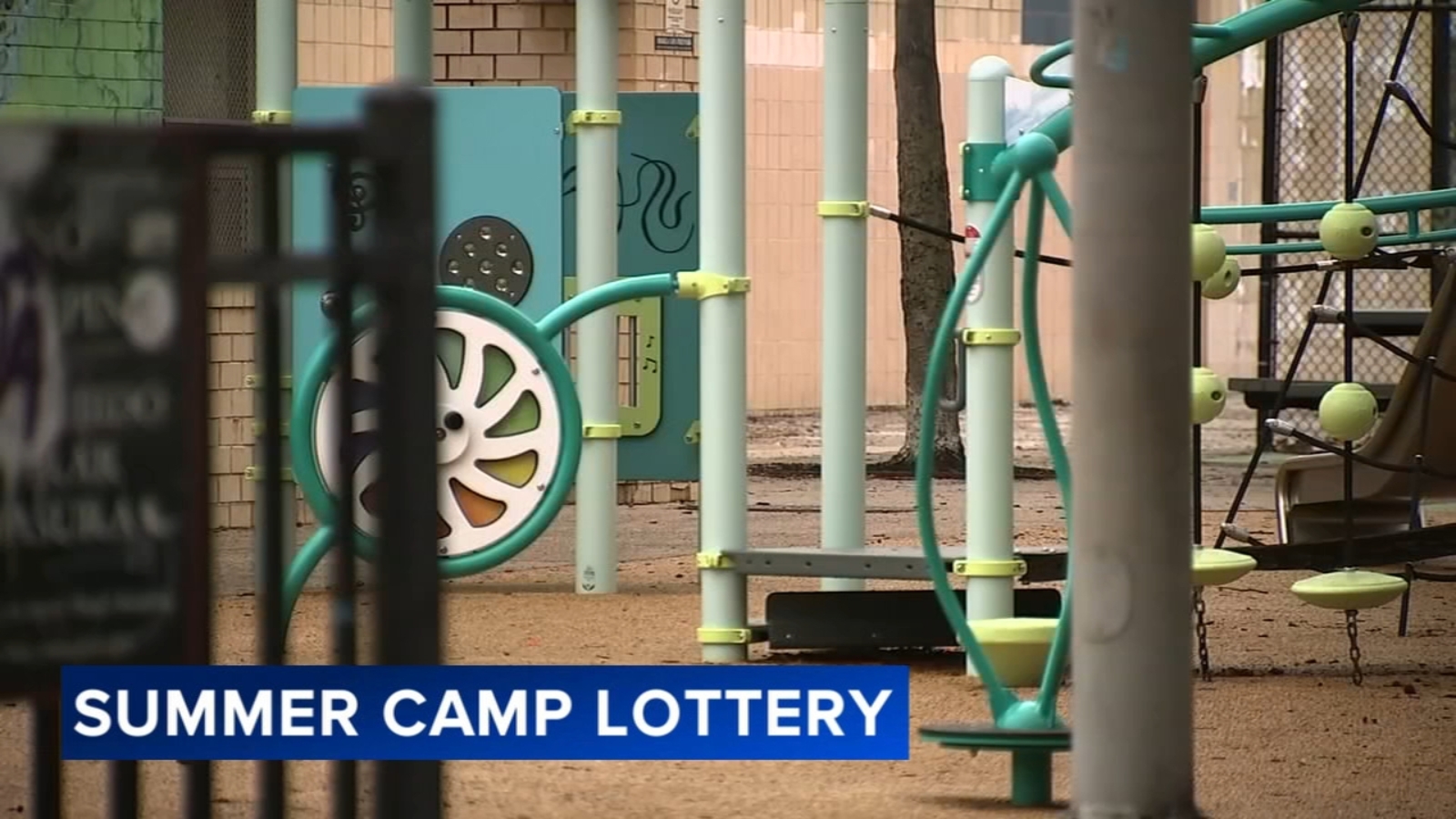
Philadelphia families seeking affordable summer programming for their children now have a new way to compete for spots at the city’s most sought-after recreation centers. The Philadelphia Parks and Recreation department has introduced a summer camp lottery at five high-demand sites, replacing the chaotic first-come, first-served registration process that previously forced parents to wait in line for hours. This shift represents a meaningful step toward fair and equitable access for working families across the city, particularly in Fishtown, Northern Liberties, and Kensington, where demand has historically outpaced available capacity.
Why Philadelphia Introduced a Summer Camp Lottery
For years, securing a spot at popular Philadelphia summer camps meant taking an entire day off work, showing up before dawn, and hoping for the best. Parents lined up outside recreation center doors, sometimes for hours, competing against neighbors who had the luxury of arriving earlier. This system disproportionately benefited families with flexible schedules, stay-at-home parents, or those who could afford to wait , leaving many working parents at a structural disadvantage.
Robert Jackson, deputy commissioner of programs for Philadelphia Parks and Recreation, explained the rationale behind the change. The lottery system was designed to provide a fair and equitable solution to issues the agency encountered last year, when parents had to take off work just to wait in line for camp opportunities. By randomizing the selection process, the department removes the time-based barrier that previously determined outcomes.
The decision to implement the summer camp lottery came after the agency finalized returning camper numbers and could clearly see the remaining capacity at each site. Once administrators identified which recreation centers were oversubscribed, targeting a lottery at those specific locations became the logical next step.
Reactions From Local Parents
The response from Philadelphia families has been mixed. Some parents, like Jane Durian of Northern Liberties, appreciate the fairness of a randomized system while still valuing the option to put in personal effort. Others express cautious optimism, noting that the lottery feels fair even if it removes the ability to manufacture an advantage through early arrival.
Mike Whitson of Port Richmond highlighted what makes these camps so critical for families: affordability. By far the most affordable option anywhere around the city, these programs serve households who cannot afford private summer camps that can cost thousands of dollars per child. For working parents especially, accessible summer programming is not a luxury , it’s a necessity.
The Five High-Demand Camp Sites
The summer camp lottery applies to five specific recreation centers, all located in neighborhoods where demand has consistently exceeded available slots:
- Fishtown Rec Center , serving the Fishtown community
- Northern Liberties Rec Center , a popular choice for Northern Liberties families
- Schissler Rec Center , covering portions of Kensington
- Towey Rec Center , another Kensington-area location
- Hancock Playground , rounding out the high-demand five
These sites were selected because their returning camper rosters filled the majority of available seats, leaving little room for new families under the old first-come system. Parents interested in summer camp registration at any of these locations must now enter the lottery rather than simply showing up on registration day.
How the Lottery Timeline Works
Philadelphia Parks and Recreation moved quickly to publicize the new process. The agency began advertising the lottery on social media and through display boxes at recreation centers on a Friday. Entries opened the following Monday, giving families a short but reasonable window to sign up online or in person.
Selections were scheduled for Friday, March 5, meaning families learned their results within roughly one week of the lottery opening. This compressed timeline keeps the process moving forward while still allowing parents adequate notice to explore alternatives if they don’t secure a spot.
Key Dates at a Glance
- Friday (advertising launch): Lottery promotion begins via social media and in-center signage
- Monday (entries open): Parents can submit lottery entries for the five high-demand sites
- Friday, March 5 (selection day): Winning entries are drawn and families are notified
Officials stress that this compressed window is intentional , it mirrors the urgency of the previous in-person registration while eliminating the need to physically wait in line.
What Happens If You Don’t Get Selected
Not every family will win a coveted slot at one of the five lottery sites. For those who don’t secure a spot, Philadelphia Parks and Recreation recommends exploring other recreation centers throughout the city. According to Jackson, the agency still has substantial capacity at approximately 95% of its sites. The lottery affects only a small pocket of recreation centers where demand far exceeds supply.
This is an important distinction for parents to understand. The summer camp lottery is a targeted solution, not a citywide overhaul. Most Philadelphia recreation centers continue to operate under their traditional registration model, meaning families willing to travel slightly farther from home can still find affordable programming for their children.
Why Most Sites Still Have Open Spots
The geographic concentration of the lottery reflects a broader reality about Philadelphia neighborhoods. The five affected sites sit in a relatively small corridor , Fishtown, Northern Liberties, and Kensington , where young families have moved in significant numbers over the past decade. Population growth in these areas has outpaced the city’s investment in recreation infrastructure, creating natural bottlenecks. Other neighborhoods with stable or declining youth populations rarely face the same oversubscription problems.
Benefits of the Lottery Approach
The shift to a lottery model brings several advantages for Philadelphia families and the Parks and Recreation department alike.
Equal opportunity regardless of schedule flexibility. Working parents no longer need to choose between a day’s wages and securing a camp spot for their child. The lottery removes the time penalty entirely.
Reduced stress and logistical burden. No more arriving at 5 a.m. with folding chairs, snacks, and entertainment for a multi-hour wait. Parents can enter the lottery in minutes from their phone or computer.
Transparent process. A lottery creates a clear, documented method for handling high demand. Everyone knows the rules, the timeline, and the selection criteria upfront.
Better planning for families. With selections happening on a specific date, parents can make alternate arrangements , whether that’s applying to other sites, arranging childcare, or planning a family vacation , well in advance.
Potential Drawbacks to Consider
Of course, no system is perfect. Some parents worry that a lottery removes their ability to control outcomes through preparation and effort. Others have expressed concern that awareness of the new process was limited, leaving families who only learned about it through word of mouth at a disadvantage.
To address these concerns, Philadelphia Parks and Recreation should consider expanding its outreach for future lotteries , partnering with schools, pediatricians, community organizations, and faith-based groups to ensure every family in the affected neighborhoods knows about the opportunity. Multi-language outreach is also essential in a city as diverse as Philadelphia.
What Other Cities Can Learn From Philadelphia
Philadelphia isn’t the first city to confront overcrowding at popular summer programs, and it won’t be the last. Other municipalities facing similar challenges , particularly in neighborhoods experiencing rapid demographic change , can look to this lottery model as a template. Key takeaways include:
- Identify the specific bottleneck locations rather than overhauling the entire system unnecessarily
- Communicate clearly and early through multiple channels familiar to local families
- Offer robust alternatives at other facilities so lottery losses don’t mean missing out entirely
- Treat affordability as a core feature, not an afterthought, when designing access mechanisms
Looking Ahead to Summer 2026
If the summer camp lottery proves successful in its inaugural year, expect Philadelphia Parks and Recreation to refine the process for 2026 and beyond. Possible improvements could include a two-phase system that prioritizes returning campers first before opening a second lottery to new families, or an early-bird entry window that rewards families who engage with the department’s programming throughout the year.
For now, the immediate priority is ensuring the March 5 selection runs smoothly and that families who don’t secure a lottery spot can quickly pivot to the many other recreation centers with available capacity. The agency’s message is clear: affordable summer programming exists across Philadelphia, even if the most popular sites require a bit of luck to access.
Final Thoughts on Fairer Camp Access
The introduction of a summer camp lottery at five high-demand Philadelphia recreation centers marks a thoughtful response to a problem that has frustrated families for years. By removing the first-come, first-served bottleneck, the city has leveled the playing field for working parents in Fishtown, Northern Liberties, and Kensington. While the system isn’t perfect , and awareness could be improved in future iterations , it represents genuine progress toward equitable access to affordable summer programming.
For families still weighing their options, the advice from Parks and Recreation is straightforward: enter the lottery if you’re interested in one of the five high-demand sites, but don’t overlook the 95% of other recreation centers across the city where summer camp registration remains straightforward and capacity is wide open. Philadelphia’s commitment to keeping summer programming affordable means that no child should miss out on the experience simply because of where their family lives.