
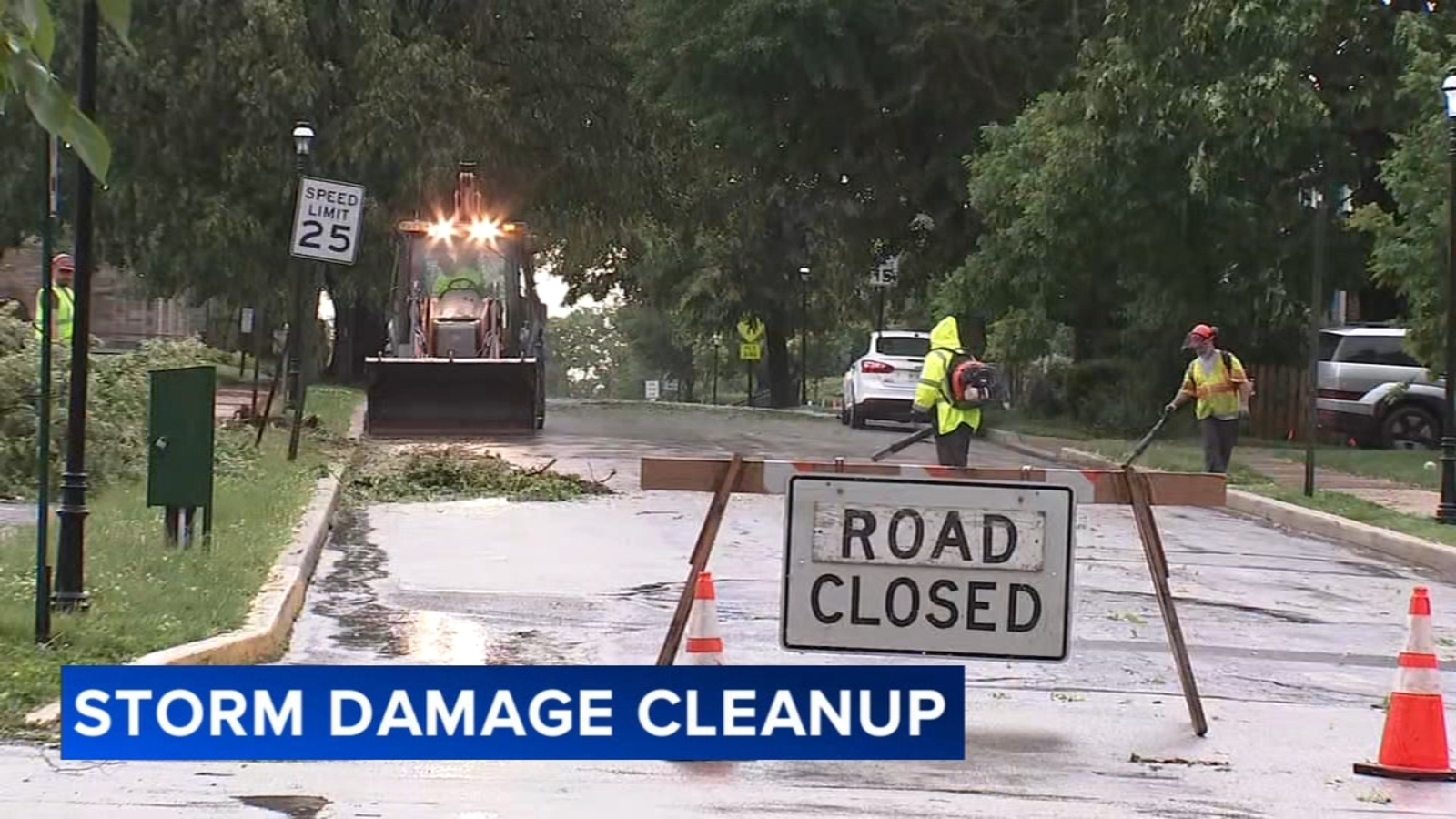
A powerful storm tore through the Philadelphia region on Wednesday, leaving behind a trail of storm damage that impacted thousands of residents across the Delaware Valley. The severe weather event knocked out electricity for approximately 32,000 PECO customers, with roughly half of the outages concentrated in Montgomery County, Pennsylvania. Communities are now grappling with downed trees, structural damage to homes and apartments, and a lengthy cleanup process as utility crews and emergency response teams mobilize to assist those affected.
Pottstown Bears the Brunt of the Storm
Among the hardest-hit communities, Pottstown, Pennsylvania, emerged as a focal point of the storm’s destructive path. The borough experienced widespread destruction, with multiple neighborhoods reporting toppled trees, damaged rooftops, and compromised infrastructure. Residents described the sudden onset of severe weather as terrifying, with many comparing the sound and fury of the storm to something far more dramatic than a typical summer thunderstorm.
Eyewitness Accounts from Hanover Street
On Hanover Street, the storm’s fury was unmistakable. A massive tree crashed down during the height of the weather event, landing just feet from Jennifer Berry’s home. Berry, who was home with her dogs when the storm rolled in, recounted the terrifying moment with vivid detail.
“It was a massive crash,” Berry explained. “It was like an explosion. Very scary.”
As the storm intensified, Berry rushed indoors with her pets. She described how everything outside “went white” as powerful winds howled and heavy rain pounded the neighborhood. Despite losing electrical service, Berry maintained a remarkable perspective on the situation.
“We can clean this up,” she said. “It was an inconvenience to not have power, but thank goodness nobody was hurt.”
Her resilient attitude reflects the spirit of a community determined to recover from the devastating storm damage that struck their neighborhood.
Widespread Impact at Local Apartment Complex
Just a short distance from Berry’s home, the Linden Apartments also suffered significant damage from the fierce weather. Three large trees on the property were toppled by what officials later identified as straight-line winds, a powerful weather phenomenon that can cause destruction comparable to a tornado but originates from the downburst of a thunderstorm.
Property Manager Describes Freight Train-Like Storm
Joshua Groff, the property manager at Linden Apartments, shared the alarming descriptions provided by his tenants. Many residents compared the storm’s intensity to “a freight train coming through,” a common comparison used when people experience the roar and pressure of severe straight-line winds.
Of the three trees that fell at the complex, two unfortunately landed directly on apartment buildings, causing severe structural issues. Groff reported substantial damage to the roof lines of the affected units, along with a broken door and a shattered window. Despite the dramatic scene, he confirmed that all tenants across the property’s 36 units were safe and unharmed.
Residential Destruction on Mervine Street
Less than half a mile from the Linden Apartments, on Mervine Street, another large tree met an unfortunate fate. This time, the falling tree landed directly on top of a residential home after being completely uprooted by the powerful winds. The impact caused significant damage to the structure, displacing the two residents who call the property home.
The situation was mirrored on Savage Road in Pottstown, where four additional residents required assistance after their home sustained storm-related damage.
Red Cross Mobilizes to Help Affected Families
In response to the displacement and property damage, the American Red Cross quickly stepped in to provide critical support to those impacted. The organization is now actively assisting the two residents from the Mervine Street home, as well as the four individuals displaced from the Savage Road property.
Red Cross volunteers are providing a comprehensive range of services, including:
- Financial assistance to help families cover immediate needs
- Access to health services for those requiring medical attention
- Referrals to local resources that can support longer-term recovery efforts
- Emergency shelter coordination as needed
This multi-faceted response ensures that affected residents have the support they need during the immediate aftermath of the storm and as they begin the recovery process.
PECO Works to Restore Power Across the Region
Utility company PECO faced an enormous task following the severe weather, with approximately 32,000 customers initially losing electrical service. The utility company’s outage map lit up across multiple counties, though Montgomery County bore the heaviest burden, accounting for roughly half of all reported outages.
Crews from PECO worked through the evening and into the following days to assess damage, clear hazards, and restore power to affected customers. Restoration efforts typically involve several stages, including:
- Assessing damage to power lines, transformers, and substations
- Clearing downed trees and debris from electrical infrastructure
- Repairing or replacing damaged equipment
- Gradually restoring service in a methodical, neighborhood-by-neighborhood approach
Customers without power were urged to report their outages directly to PECO and to take precautions when using alternative heating or cooling sources during the outage period.
Understanding Straight-Line Winds and Their Destructive Power
The storm’s identification as producing straight-line winds helps explain the widespread damage pattern observed across the region. Unlike tornadoes, which produce twisting, rotational damage along a relatively narrow path, straight-line winds radiate outward from a thunderstorm’s downburst in a straight trajectory.
These winds can reach speeds exceeding 100 miles per hour and are capable of:
- Uprooting mature trees with extensive root systems
- Damaging roofs and siding on residential structures
- Toppling power lines and utility poles
- Causing structural failures in older or compromised buildings
Recognizing the difference between tornado damage and straight-line wind damage is crucial for meteorologists and emergency planners, as it affects both the immediate response strategy and the long-term recovery approach for affected communities.
Safety Precautions Following Severe Storm Damage
Residents in storm-affected areas should remain vigilant even after the weather has passed. Several important safety considerations can help prevent additional injuries or property damage during the cleanup phase:
- Avoid downed power lines and treat all lines as if they are energized and dangerous
- Stay clear of damaged trees that may still fall without warning
- Inspect homes carefully for gas leaks, electrical damage, or structural compromise before re-entering
- Document all damage with photographs for insurance purposes
- Use generators safely, keeping them outdoors and away from windows and doors
Community Resilience in the Face of Disaster
While the storm caused considerable storm damage throughout the Philadelphia region, the response from residents, emergency responders, utility crews, and organizations like the American Red Cross demonstrates the strength and resilience of these communities. From Jennifer Berry’s grateful acknowledgment that “nobody was hurt” to the coordinated relief efforts underway, the spirit of neighbors helping neighbors is clearly evident.
As PECO crews continue their work to restore electricity and contractors begin the process of repairing damaged properties, the affected communities of the Delaware Valley will undoubtedly come back stronger. The cleanup will take time, but with proper support and a continued focus on safety, normalcy will return to these Philadelphia-area neighborhoods.
For those wishing to support storm victims, donations to the American Red Cross or local community relief funds can make a meaningful difference in helping families rebuild their lives after this devastating weather event.