
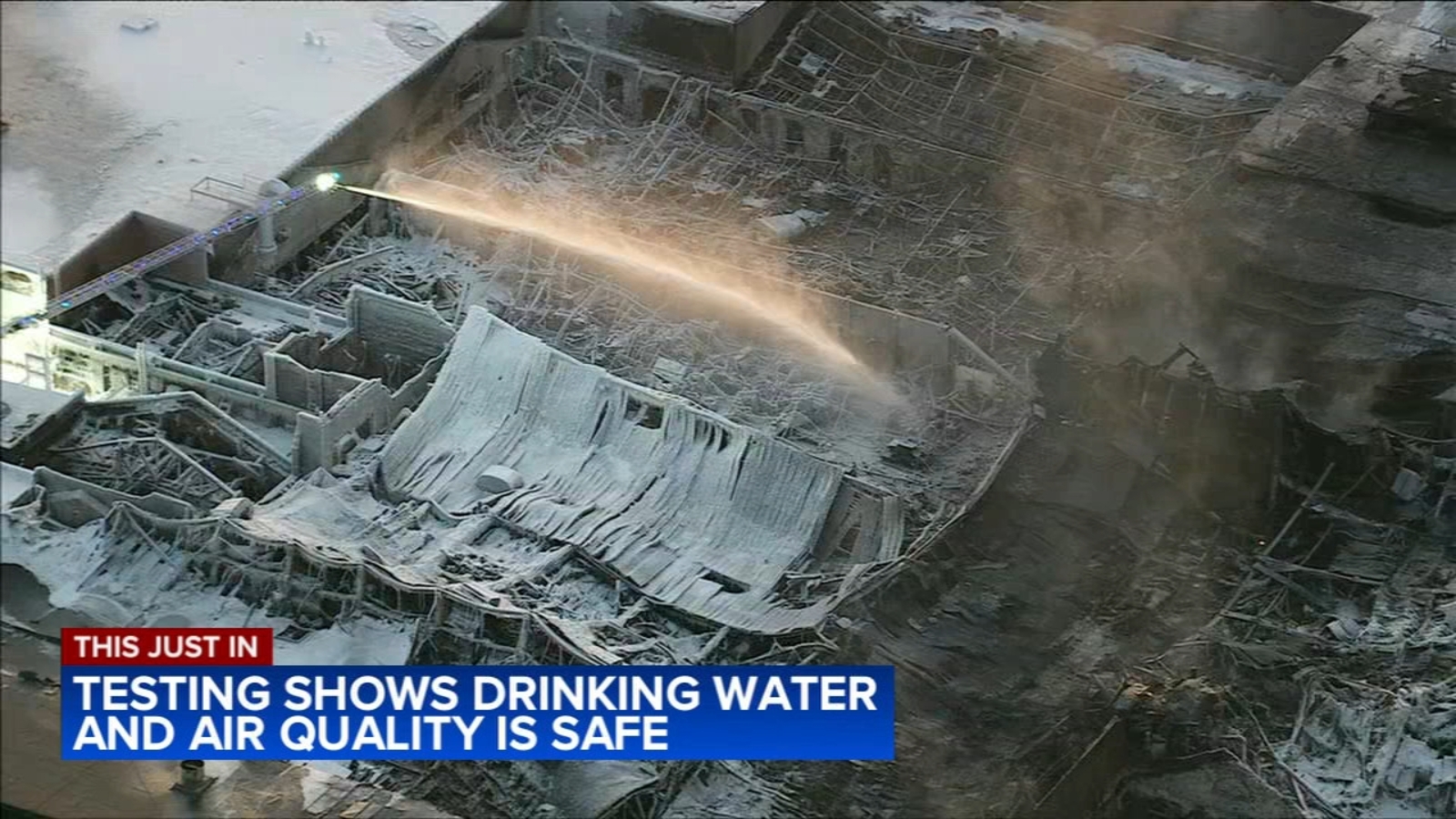
A massive four-alarm industrial fire at SPS Technologies in Abington Township, Pennsylvania, disrupted thousands of lives earlier this week, prompting shelter-in-place orders and voluntary evacuations across the region. After burning for more than a day and producing towering plumes of black smoke, the fire was finally brought under control, and officials lifted all emergency orders at 11 a.m. on Wednesday. The incident raised urgent questions about hazardous chemicals, air quality, and the safety protocols in place at the aerospace fastener manufacturer.
What We Know About the SPS Technologies Fire
The blaze ignited around 9:43 p.m. on Monday night at the SPS Technologies facility, located on the 300 block of Highland Avenue in Montgomery County, Pennsylvania. The building houses a manufacturing operation that produces fasteners, bolts, and other components for aerospace, transportation, racing, farming, and industrial markets.
According to officials, all 60 employees inside the complex were evacuated immediately, and remarkably, no injuries were reported among the workers. However, the situation escalated rapidly as the fire intensified into a four-alarm emergency, drawing response from 68 different fire companies across the region. Departments from Bucks, Montgomery, and Chester counties converged on the scene, supported by Aqua, SEPTA, Pennsylvania EPA officials, and federal EPA representatives.
Eyewitnesses in nearby residential neighborhoods reported hearing explosions and described rushing outside to witness thick black smoke billowing from the industrial complex. Chopper 6 aerial footage showed visible flames still burning more than 13 hours after the first alarm sounded, with crews continuing to target hot spots into Tuesday night.
Timeline of Events and the Lifting of Evacuation Orders
The response unfolded in stages as the dangers became clearer. Initially, residents and businesses within a one-mile radius of the plant were instructed to shelter in place. That guidance covered approximately 17,000 residents and was prompted by concerns over smoke and airborne particulates.
By late Tuesday afternoon, the situation warranted additional precautions. Officials issued voluntary evacuation orders affecting roughly 700 people and approximately 247 homes in the immediate vicinity around the plant. The decision was driven by growing concerns about air quality and the chemical composition of what was burning inside the facility.
Finally, at 11 a.m. on Wednesday, officials confirmed that the shelter-in-place and voluntary evacuation orders had been lifted. Air quality tests conducted throughout the response did not detect threats to the public at that time, though hazmat crews continued monitoring runoff water and surrounding conditions.
Health Concerns and Air Quality Monitoring
One of the most pressing concerns surrounding the SPS Technologies fire involved the unknown contents of the burning facility. Abington Fire Chief Mike Jones explained that responders were worried about potential chemical reactions.
“We had concerns that if some of the chemicals were to mix, it could form arsenic which could get in the air and in the smoke that’s coming off the fire,” Chief Jones stated.
Police Chief Patrick Molloy echoed the caution, noting that the facility is known to use harsh chemicals in its aeronautical engineering processes for manufacturing bolts and fasteners. “Out of an abundance of caution, we made that decision to self-evacuate,” he explained.
Medical Warnings from Health Experts
Even after the immediate danger subsided, health professionals warned that the long-term effects of exposure could linger. Dr. Jamie Garfield, a pulmonologist with Temple Health, cautioned that residents should remain vigilant about respiratory symptoms in the weeks following the incident.
“It could be weeks before you see the effect of this type of exposure,” Dr. Garfield explained. Her comments underscore why the City of Philadelphia also chose to monitor air quality from the fire event, even though the blaze occurred in a neighboring county.
First responders themselves were flagged as a concern, with officials acknowledging that some personnel had been exposed to hazardous materials during the extended firefight. Local residents like Maria Duffy from Glenside expressed the anxieties shared by many families sheltering in place: “What’s burning, what’s in the air? What are we breathing in? How long is this going to go on for?”
SPS Technologies’ Regulatory History
The SPS Technologies fire was not the first time the company has faced scrutiny over environmental safety. According to public records, the company was fined $109,000 by the EPA approximately two years prior to this incident. The penalties stemmed from multiple violations, including:
- Failure to properly dispose of hazardous waste
- Improper storage of hazardous materials
- Lack of a clear contingency plan for evacuation
These past violations made the current emergency response particularly fraught for officials who had to balance public safety with the unknown composition of chemicals inside the burning complex. The incident is likely to prompt renewed calls for stricter oversight of industrial facilities handling hazardous materials in residential areas.
Community Impact Across the Region
The fire’s reach extended well beyond the immediate industrial site, disrupting daily life throughout Montgomery County and the surrounding Philadelphia suburbs.
School Closures
The Abington School District, Jenkintown School District, and Cheltenham School District all announced closures for Wednesday as a precaution. The decision affected thousands of students and families, who were forced to adjust their routines while air quality concerns persisted.
SEPTA Service Disruptions
Regional rail lines operated by SEPTA were temporarily impacted by the fire response, though service has since been restored. Transit officials worked alongside emergency responders to manage the multi-jurisdictional operation.
A Coordinated Multi-Agency Response
The scale of the response reflected the gravity of the situation. With departments of public safety from three counties, dozens of fire companies, hazmat teams, and environmental regulators all on site, the SPS Technologies fire became one of the most significant industrial emergencies in recent memory for the region.
Investigation and What Comes Next
As of the latest updates, the cause of the fire remains under active investigation. Officials have not yet released information about what specifically ignited the blaze or whether any criminal, mechanical, or accidental factors contributed to the disaster.
Abington Township has established a dedicated website where residents can access ongoing updates regarding the fire, air quality testing results, and recovery efforts. Community members are encouraged to monitor these resources closely, particularly given the delayed health effects that experts have warned about.
Looking ahead, several key questions remain unanswered:
- What caused the initial ignition at the facility?
- Were all hazardous materials properly stored and contained at the time of the fire?
- What additional environmental testing will be conducted in the surrounding neighborhoods?
- Will the incident lead to renewed regulatory action against SPS Technologies?
Conclusion
The SPS Technologies fire serves as a sobering reminder of the risks posed by industrial facilities operating in close proximity to residential communities. While the lifting of evacuation orders on Wednesday brought relief to thousands of affected residents, the long-term implications of this incident are only beginning to unfold. With a regulatory history already marred by EPA violations and an investigation still in its early stages, the disaster is likely to spark important conversations about chemical safety, emergency preparedness, and corporate accountability in the months ahead. For now, the people of Abington Township and surrounding communities can breathe a little easier, but they remain watchful as the full story of what happened at the Highland Avenue facility continues to develop.