
As South Jersey residents continue to dig out from a relentless winter season, winter weather preparedness has become a topic dominating conversations from kitchen tables to town hall meetings. Across Atlantic County, municipalities are restocking supplies, refining emergency protocols, and keeping a watchful eye on the forecast as meteorologists track a developing system that could arrive as early as Sunday. While many residents express exhaustion at the prospect of another storm, local officials emphasize that their teams are ready.
Resident Frustration Runs High as Forecasts Shift
For many people in the Mays Landing area, the last few weeks have been defined by icy sidewalks, slippery roads, and stubborn snow piles that seem to take forever to disappear. Some residents have made their feelings about additional winter weather perfectly clear.
“Horrible. The ice was the worst. I don’t mind the snow so much, but it’s the ice,” shared JoAnn Kaskus, a Mays Landing resident who has been navigating treacherous conditions in her neighborhood.
Marie Ferraro, also of Mays Landing, didn’t hold back her feelings either. “I’m wrecked over it. I don’t even wanna know about it!” she said, capturing the sentiment shared by countless South Jersey residents who have grown weary of a particularly active winter pattern.
Despite this fatigue, the reality is that another round of South Jersey winter weather may be on the horizon, and communities cannot afford to let their guard down.
Emergency Management Officials Monitor Every Update
Behind the scenes, emergency management teams across Atlantic County are working around the clock to stay ahead of whatever Mother Nature has in store. According to Michael Fedorko, public safety director for Atlantic County, monitoring the storm is a continuous, methodical process.
“We check it every four hours. Twice a day, we get alerts from the National Weather Service,” Fedorko explained. “Right now, it looks like rain and snow mix. So we’ll have to see what happens.”
This kind of vigilance is a cornerstone of effective winter weather preparedness. Storm tracks can shift dramatically within just a few hours, transforming what begins as a rain event into a significant snow accumulation , or vice versa. Local leaders understand that flexibility and rapid response are essential when dealing with unpredictable winter systems.
Salt Supplies Have Been Fully Restocked
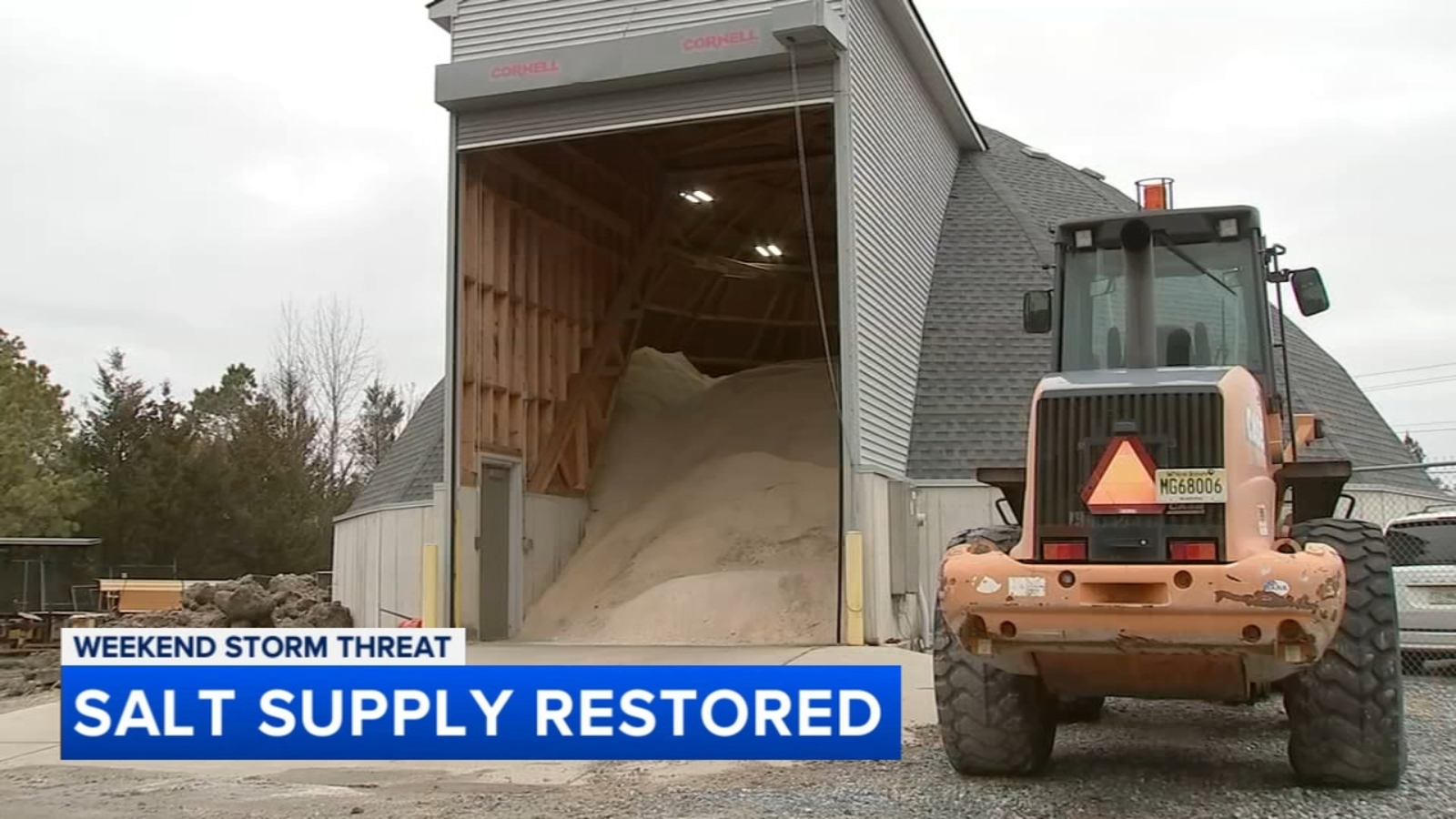
One of the most visible signs of municipal readiness is the salt supply stored in sheds and garages across the region. After several rounds of storms in January left many towns scrambling, Atlantic County communities have made it a priority to replenish their reserves.
Hamilton Township Leads the Charge
Officials in Hamilton Township reported that the municipal salt shed has been completely refilled. Approximately 900 tons of salt were delivered to the township just last week, restoring inventory to a level that should comfortably handle another significant event.
The January snowstorms had drawn down supplies dramatically, leaving township leaders concerned about their ability to respond to subsequent weather. Those concerns have now been addressed, and Hamilton Township stands ready for whatever comes next.
Egg Harbor City Catches Up
Just a short drive away, Egg Harbor City officials confirmed that their salt supply has also been replenished. City Clerk Meg Steeb noted that while the municipality typically needs some salt during an average winter, the volume required this season has been unusual.
“Most years we do need some, but this was a lot to get again coming to the end of February,” Steeb said.
The city’s efforts to secure additional road salt supplies followed the last storm, when officials were forced to place an emergency order. Egg Harbor City recently took delivery of around 100 tons of salt, which Steeb noted is roughly double the amount typically needed for a single storm.
“We’ve been preparing since the last storm. We did have a little salt shortage, but so did all the neighboring towns. We recently got around 100 tons of salt and typically a storm requires about 50 tons, so we think we are well prepared,” Steeb added.
The Financial Strain of an Active Winter
While the focus always remains on public safety, the financial impact of repeated winter weather events cannot be ignored. Salt isn’t cheap, and neither is the labor required to keep roads clear and safe.
Across Atlantic County and beyond, municipalities have reported significant increases in spending tied directly to snowstorm preparation and response. Overtime costs for public works crews have climbed steadily, as crews have been called out for extended shifts during and after each storm. The cost of salt itself, which has fluctuated in recent years, adds another layer of expense to already strained municipal budgets.
For Egg Harbor City, the need to order additional salt mid-season is a clear example of how quickly costs can escalate. Emergency orders typically come at a premium, and the cumulative effect of multiple storms throughout January and February has left many communities reassessing their winter budgets for the year ahead.
Road Safety Remains the Top Priority
Despite the financial pressures, every official interviewed made clear that road safety during winter weather remains non-negotiable. Crews are prepared to pre-treat roads with brine if conditions warrant, an approach that has proven effective at preventing ice from bonding to pavement.
The final decision on whether to brine roads ahead of the approaching system is expected to be made in the coming days, once forecasters have a clearer picture of the storm’s track and intensity. Emergency management officials across the county are coordinating closely, sharing information and resources where possible to ensure that no community is left unprepared.
This kind of regional cooperation has been a defining feature of Atlantic County’s response to a challenging winter season. From shared intelligence about weather patterns to mutual aid when one municipality runs short on supplies, the collaborative approach has helped keep roads passable and residents safe.
What Residents Can Do to Stay Ready
While municipal crews handle the major roadways and infrastructure, individual residents play an important role in winter storm preparedness. Here are a few practical steps that South Jersey residents can take as the next system approaches:
- Stay informed. Monitor local news outlets and National Weather Service updates regularly, especially in the 48 hours before a potential storm.
- Stock essential supplies. Keep flashlights, batteries, non-perishable food, water, and any necessary medications on hand in case travel becomes difficult.
- Prepare your vehicle. Check tire pressure, top off windshield washer fluid, and keep an emergency kit in your car that includes blankets, a shovel, and sand or kitty litter for traction.
- Shovel smartly. If you can safely clear your sidewalks and driveway, doing so before temperatures drop further can help prevent ice from forming.
- Check on neighbors. Elderly neighbors and those with mobility issues may need assistance preparing for or recovering from a storm.
Looking Ahead
As the calendar inches toward March, the question on everyone’s mind is whether this winter will finally loosen its grip on South Jersey. With another system potentially impacting the region this weekend, only time will tell. What remains certain is that Atlantic County’s emergency management teams, public works crews, and municipal leaders will continue to monitor conditions closely and respond decisively when needed.
For residents, the message is simple: stay informed, stay prepared, and stay patient. The season isn’t over yet, but the community’s commitment to winter weather preparedness remains strong. With salt sheds full, crews ready to deploy, and emergency officials keeping a close watch, South Jersey is as prepared as it can be for whatever the forecast may bring.