
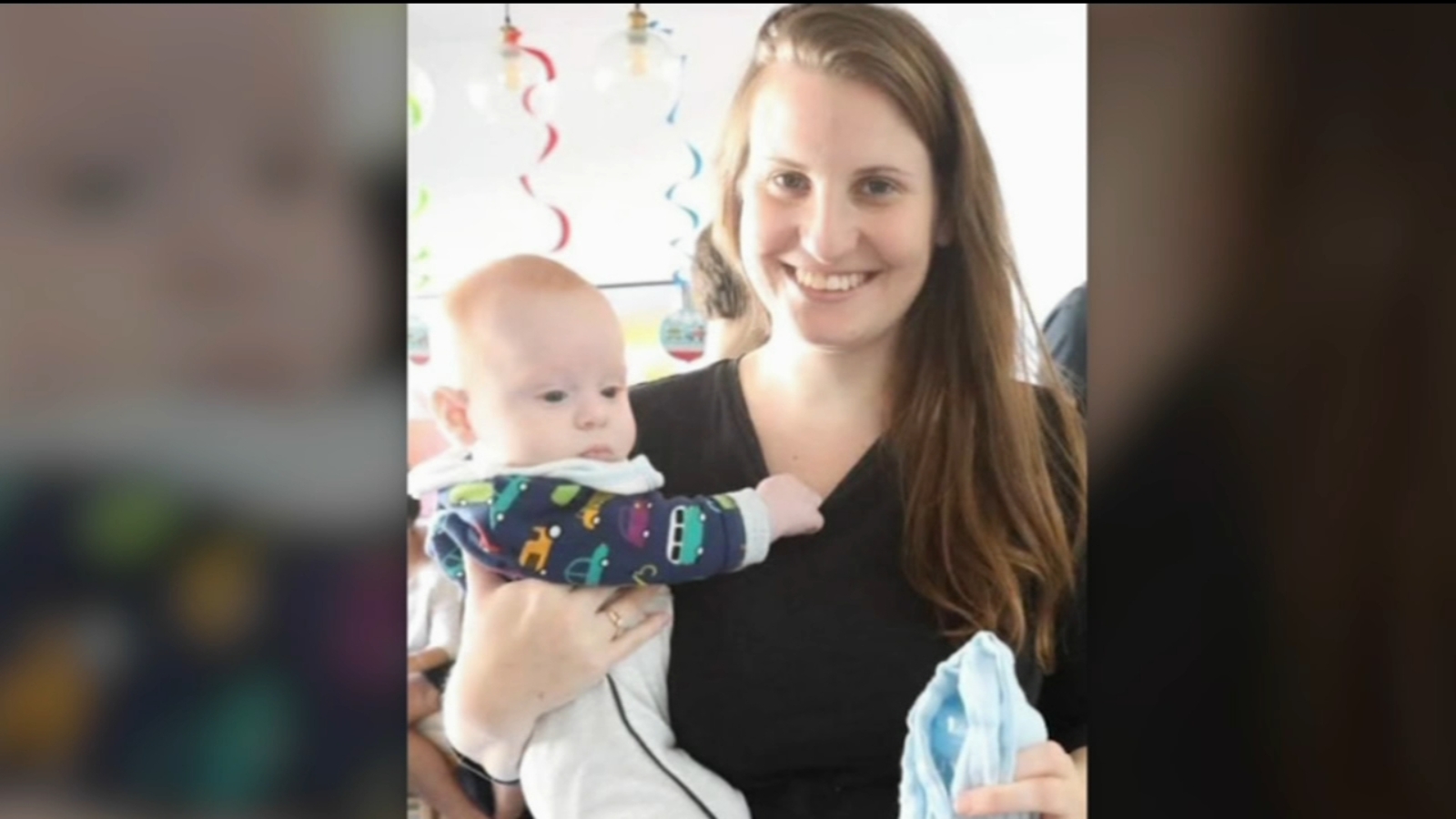
The confirmation that the Shiri Bibas body returned to Israel has been positively identified brings a painful and deeply emotional chapter to a close for her surviving family members. After weeks of uncertainty, mistaken identification, and international diplomatic negotiations, the Bibas family announced Saturday morning that the human remains transferred from Gaza indeed belong to the 32-year-old mother who was abducted alongside her husband and two young children during the October 7, 2023 Hamas-led attack on southern Israel.
This development follows a harrowing sequence of events that began when Hamas handed over what it claimed were the remains of four deceased Israeli hostages on Thursday , Shiri Bibas, her sons Ariel and Kfir, and 84-year-old Oded Lifshitz. Forensic analysis by Israeli authorities confirmed three of the four identifications but revealed that the fourth set of remains did not belong to Shiri nor any other known hostage, prompting outrage from Israeli leadership and renewed demands for accountability.
The Identification Process and Family Confirmation
The Bibas family released a solemn statement confirming the devastating news after the Institute of Forensic Medicine completed its identification procedures. “Last night, our Shiri was returned home,” the family communicated. “Following the identification process at the Institute of Forensic Medicine, we received this morning the news we had dreaded , our Shiri was murdered in captivity and has now returned home to her sons, husband, sister, and all her family for rest.”
The journey of Shiri’s remains back to Israel was facilitated by the International Committee of the Red Cross. A spokesperson for the organization confirmed Friday night that its team “received human remains, which were then transferred to Israeli authorities.” The transfer occurred under the framework of the ongoing ceasefire agreement between Israel and Hamas, with the Palestinian Mujahedeen Brigades , a small militant group reportedly responsible for holding the Bibases in Gaza , announcing late Friday that it had turned over Shiri’s remains to the Red Cross.
The Initial Mix-Up and Netanyahu’s Response
The original handover on Thursday included remains that Israeli forensic experts could not match to any known hostage profile. This discovery triggered immediate condemnation from Israeli Prime Minister Benjamin Netanyahu, who vowed to take “revenge” over the return of an incorrect body. The misidentification raised serious questions about Hamas’s transparency and compliance with the terms of the ceasefire agreement, which had been negotiated with significant international involvement.
The error proved particularly painful given the symbolism surrounding the Bibas family in Israeli society. Images of red-haired baby Kfir, just nine months old at the time of his abduction, and his four-year-old brother Ariel became iconic representations of the human cost of the October 7 attack. The family’s plight captured international attention and became a rallying point for advocates calling for the return of all hostages held in Gaza.
Tragic Circumstances Surrounding the Bibas Children
The forensic investigation into the remains of young Ariel and Kfir Bibas revealed particularly disturbing findings. According to the Israel Defense Forces, both children “were both brutally murdered by terrorists while being held hostage in Gaza, no later than November 2023.” The IDF’s official statement went further, declaring: “The terrorists did not shoot the two young boys , they killed them with their bare hands. Afterwards, they committed horrific acts to cover up these atrocities.”
This assessment was reportedly based on both forensic evidence gathered during the identification process and supporting intelligence gathered by Israeli security services. The findings directly contradicted claims made by Hamas, which had maintained that the Bibas family perished in Israeli airstrikes rather than at the hands of their captors. Hamas has repeatedly denied Israel’s allegations, calling the claims “nothing but pure lies” in a statement released Friday.
Hamas’s Competing Narrative
Throughout the hostage crisis, Hamas has offered an alternative explanation for the deaths of the Bibas family members. The militant organization, which governs Gaza, has consistently maintained that Shiri, Ariel, and Kfir died as a result of Israeli military operations rather than violence inflicted by their captors. This conflicting account has been a source of significant tension between the parties involved in ceasefire negotiations and has complicated efforts to establish a complete and accurate timeline of events.
The Israeli government’s willingness to release specific details about the children’s cause of death , including the claim that they were killed by hand rather than by gunfire , represents an unusually direct public accusation against Hamas and affiliated militant organizations. Such detailed forensic announcements are typically reserved for situations where authorities believe strong evidence supports their conclusions and where there is a political imperative to communicate those findings to the public.
Yarden Bibas: A Survivor’s Story
Amid the tragedy, one element of the Bibas family story carries a note of survival. Yarden Bibas, Shiri’s 35-year-old husband and the children’s father, was freed earlier this month as part of the ongoing hostage exchange negotiations. His return to Israel occurred separately from the eventual identification of his wife’s remains, meaning he faced the agonizing experience of being reunited with his country while still uncertain about the fate of his wife and children.
Yarden’s survival has become a focal point for the family as they now grieve and attempt to process the confirmed deaths of Shiri, Ariel, and Kfir. The Bibas family’s statement specifically mentioned returning Shiri “to her sons, husband, sister, and all her family for rest,” indicating that arrangements were being made for a joint burial that would reunite the family in death even as they had been separated during captivity.
Broader Implications for the Ceasefire Agreement
The mishandling of the remains during the initial transfer has raised important questions about the implementation of the broader ceasefire agreement between Israel and Hamas. The agreement, brokered with the involvement of multiple international mediators, includes provisions for the staged return of hostages and the bodies of deceased captives. The identification error has put additional pressure on Hamas to demonstrate good faith compliance with these obligations.
Oded Lifshitz, the 84-year-old hostage whose remains were correctly identified in the original transfer, represented another heartbreaking loss. His advanced age and the circumstances of his abduction , taken from his home along with his wife, who was later released , highlighted the indiscriminate nature of the October 7 attack, which targeted civilians across multiple age groups and demographics.
International Reactions and Ongoing Investigations
The international community has closely monitored developments surrounding the Bibas family throughout the hostage crisis. The Red Cross’s role as an intermediary in the transfer of remains has underscored the humanitarian organization’s delicate position in conflicts where multiple militant groups operate in disputed territories. The involvement of the Palestinian Mujahedeen Brigades, rather than Hamas directly, in the custody of the Bibas family adds another layer of complexity to understanding the various factions holding hostages in Gaza.
Israeli officials have indicated that investigations into the deaths of Ariel and Kfir will continue, with the possibility that additional evidence could emerge regarding the specific circumstances of their murder. The forensic findings suggesting they were killed “with bare hands” rather than by gunfire may have implications for any future legal proceedings or international investigations into alleged atrocities committed during the October 7 attack and its aftermath.
The Path Forward for the Bibas Family
For the surviving Bibas family members, the confirmed identification of Shiri’s remains brings a painful but necessary closure. The uncertainty that had persisted since the original handover , when one of the four sets of remains could not be matched to any known hostage , has finally been resolved. The family can now proceed with funeral arrangements and begin the long process of mourning without the additional burden of unanswered questions about Shiri’s fate.
Community support for the Bibas family has been substantial throughout their ordeal, with many Israelis and international observers following every development with intense interest. The family’s decision to share their grief publicly through official statements has allowed millions of people to participate in their mourning while also drawing attention to the broader humanitarian dimensions of the ongoing conflict.
Conclusion
The confirmation that the Shiri Bibas body returned to Israel has been positively identified marks a somber milestone in the ongoing aftermath of the October 7, 2023 attack. The tragic sequence of events , from the family’s abduction, through the deaths of Ariel and Kfir in captivity, to the delayed and initially mistaken return of Shiri’s remains , illustrates the profound human cost of the conflict between Israel and Hamas. As Yarden Bibas and the extended family begin to grieve their devastating losses, the international community continues to grapple with the broader implications for hostage negotiations, humanitarian law, and the pursuit of accountability for the atrocities that have been uncovered during this painful chapter in Middle Eastern history.