
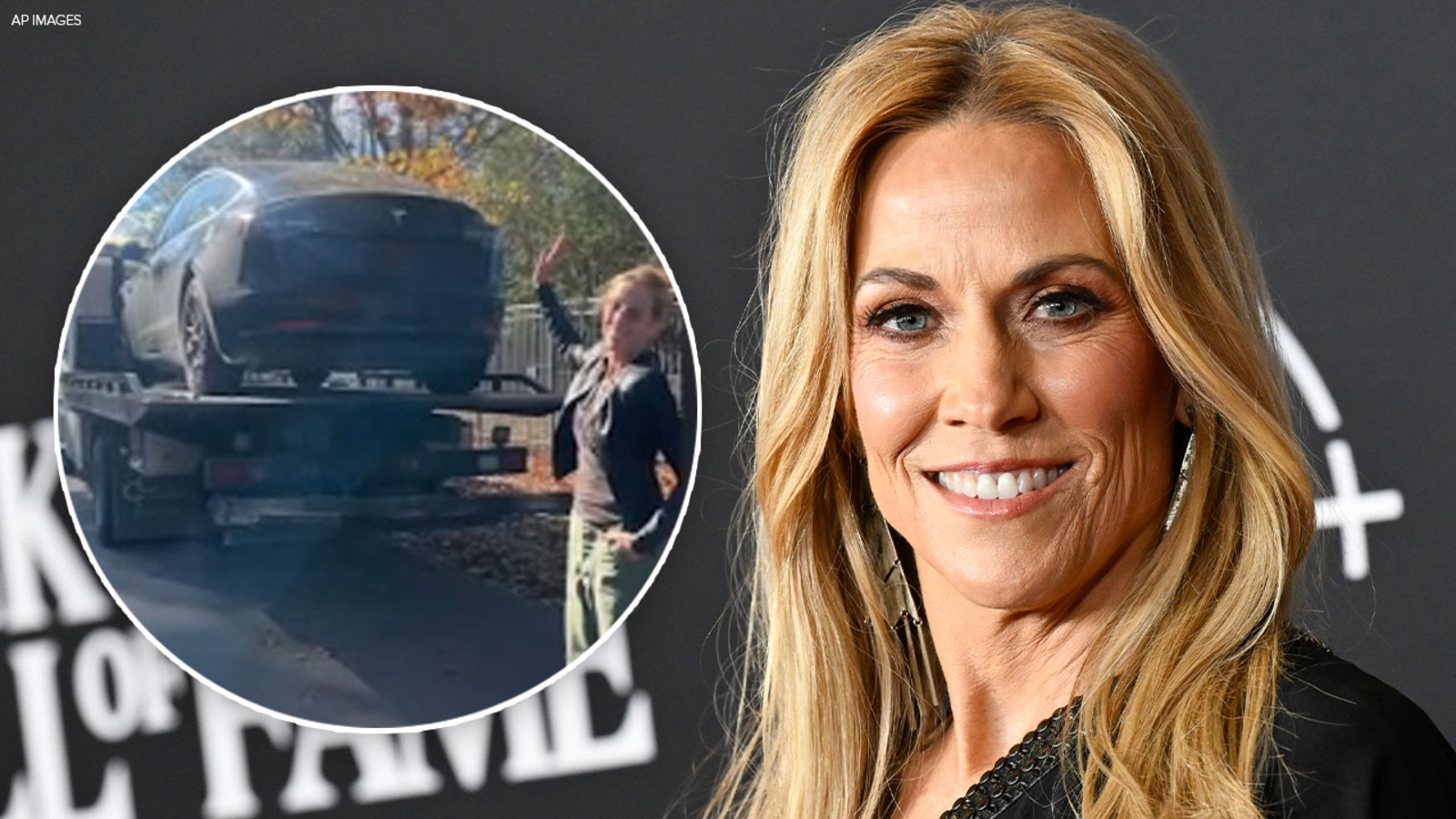
The recent decision by Grammy-winning artist Sheryl Crow to sell her Tesla vehicle has sparked conversations across both entertainment and political circles. The singer publicly parted ways with her electric car, citing concerns over the company’s owner, Elon Musk, and his expanding role in the federal government. Crow also announced she would be donating the proceeds from the sale to National Public Radio (NPR), a move that has placed her firmly at the center of an ongoing cultural debate about celebrity activism, corporate accountability, and the future of public broadcasting in America.
Crow’s Tesla sale represents more than just a personal transaction. It symbolizes a growing trend of high-profile individuals using their purchasing power and public platforms to express political disapproval. By sharing her decision on social media, the singer amplified a conversation that extends far beyond the automotive industry, touching on questions about media independence, government oversight, and the ethical responsibilities of wealthy corporate leaders.
The Moment Sheryl Crow Said Goodbye to Her Tesla
In a viral social media post, Sheryl Crow shared a video of her Tesla being loaded onto a flatbed truck and driven away. The imagery was deliberate and emotionally charged, capturing the moment of departure as though bidding farewell to a long-time companion. In her caption, Crow referenced a piece of wisdom passed down from her parents: “You are who you hang out with.”
That simple phrase carried enormous weight. Crow used it to frame her decision as one rooted in personal values and moral alignment rather than mere consumer preference. She explained that there comes a time in everyone’s life when they must decide who they are willing to associate with and what principles they are willing to defend. Her farewell to Tesla was, in essence, a farewell to Musk’s leadership and the controversies surrounding his involvement in federal operations.
The video and accompanying message spread quickly across social media platforms, resonating with fans and critics alike. Many praised Crow for taking a principled stand, while others questioned whether celebrity-driven boycotts actually produce meaningful change. Regardless of perspective, the moment captured public attention and reignited debates about the intersection of consumer behavior and political expression.
The Symbolism Behind a Single Car Sale
One might wonder why a single vehicle sale generates so much attention. The answer lies in the cultural moment. Tesla has evolved from being merely an electric car manufacturer into a brand closely tied to Elon Musk’s personal identity and political activities. When someone sells a Tesla today, the act carries symbolic significance that transcends the transaction itself.
For Crow, selling her car was an act of dissociation. By publicly severing ties with the brand, she distanced herself from Musk’s increasingly controversial endeavors. In today’s hyper-connected media landscape, such gestures function as political statements, inviting both support and backlash from various corners of the internet.
Why Sheryl Crow Donated the Proceeds to NPR
Crow didn’t stop at selling her vehicle. She announced that the money from the sale would be donated directly to National Public Radio. Her reasoning was clear: NPR, she wrote, “is under threat by President Musk,” and she hoped her contribution would help ensure that “the truth will continue to find its way to those willing to know the truth.”
The phrase “President Musk” reflects a nickname that has gained traction among critics who believe Musk has accumulated extraordinary governmental influence since being appointed to lead the Department of Government Efficiency, commonly known as DOGE. President Donald Trump announced Musk’s appointment in November, positioning him to identify what the administration characterizes as fraud and waste within federal agencies.
Critics have pushed back against the characterization of DOGE’s mission, arguing that the department’s actions extend well beyond efficiency and instead represent a fundamental reshaping of government operations. Musk’s detractors worry that his business interests and political ideology are influencing decisions that should remain independent of any single individual’s vision.
The Threat to Public Broadcasting
The House of Representatives panel collaborating with DOGE recently sent letters to the leadership of both NPR and PBS, demanding that representatives from both organizations appear on Capitol Hill to testify. The panel raised concerns about government funding being used to distribute what it described as “systemically biased content.”
That congressional hearing has not yet occurred, but the very prospect has alarmed supporters of public broadcasting. NPR and PBS have long relied on a combination of government support, corporate sponsorships, and individual donations to operate. Any disruption to that funding model could fundamentally alter the landscape of American media, particularly in rural and underserved communities where public radio often serves as a primary source of news and educational programming.
Sheryl Crow’s NPR donation fits into a broader pattern of celebrities and concerned citizens stepping up to support institutions they believe are under siege. Whether such grassroots efforts can offset potential governmental funding cuts remains an open question, but they signal a clear message that many Americans value independent journalism and are willing to put their money where their values lie.
The Elon Musk DOGE Controversy Explained
To fully understand the context behind Crow’s decision, it’s essential to examine the Elon Musk DOGE controversy more closely. The Department of Government Efficiency was established with the stated goal of rooting out wasteful spending and fraudulent activity within the federal government. Musk, the world’s richest man, was tapped to lead the initiative, bringing his reputation for disruption and unconventional thinking to one of the most powerful bureaucratic positions in the country.
Supporters of DOGE argue that the federal government has long suffered from bureaucratic bloat and that an outsider with business acumen can identify inefficiencies that career officials might overlook or protect. They point to Musk’s track record of transforming industries, from online payments to space exploration, as evidence that he can apply similar innovation to government operations.
However, critics have raised serious concerns about the arrangement. They argue that giving one individual such sweeping influence over federal agencies poses significant risks to democratic norms and institutional independence. The moniker “President Musk” emerged precisely because critics view his role as exceeding what any unelected official should wield. Concerns about conflicts of interest have also surfaced, given Musk’s extensive business holdings and government contracts.
Impact on NPR and PBS
The targeting of NPR funding and PBS represents one of the most visible flashpoints in the broader DOGE debate. Public broadcasting has long enjoyed bipartisan support in the United States, with lawmakers from both parties recognizing its value in providing educational content, emergency communications, and unbiased news coverage to millions of Americans.
The current congressional inquiry into NPR and PBS has changed that dynamic dramatically. By framing public broadcasting as producers of biased content, the DOGE-affiliated panel has opened a political battle that could determine the future of these institutions. If government funding is significantly reduced or eliminated, NPR and PBS would need to rely even more heavily on private donations, corporate underwriting, and membership drives to survive.
This is precisely the scenario that motivated Sheryl Crow’s donation. By directing the proceeds from her Tesla sale to NPR, she provided a financial boost while simultaneously drawing attention to the funding challenges facing public media.
The Growing Trend of Celebrity Tesla Boycotts
Crow is far from the first public figure to part ways with a Tesla over Musk’s political activities. Over the past several years, numerous celebrities, business leaders, and everyday consumers have publicly sold or abandoned their vehicles in protest. This Tesla boycott movement has been driven by a variety of concerns, including Musk’s political endorsements, his management of social media platforms, and his role in federal government operations.
The phenomenon raises interesting questions about the relationship between consumers and corporate leaders. Traditionally, buying a car represented a transaction between a customer and a company. In today’s environment, however, consumers increasingly evaluate their purchases based on the personal conduct and political activities of company executives.
This shift has implications for businesses across all industries. Leaders whose personal actions generate controversy may find their companies paying a price in the form of declining sales, damaged reputations, and difficulty attracting talent. The Sheryl Crow Tesla story is just one example of a broader movement that is reshaping how Americans think about corporate citizenship and consumer responsibility.
The Power of Social Media in Modern Protests
Crow’s video of her Tesla being driven away demonstrates the remarkable power of social media as a tool for political expression. A single post reached millions of people within hours, generating news coverage, public discussion, and debates that extended far beyond the singer’s original audience.
This kind of viral activism represents a new frontier in protest and advocacy. Unlike traditional forms of demonstration, social media allows individuals to broadcast their messages instantly and broadly, without the need for organizational infrastructure or media gatekeepers. Celebrities like Crow can leverage their existing platforms to amplify messages that might otherwise struggle to gain traction.
What This Means for the Future of Tesla and Public Broadcasting
The ripple effects of Crow’s decision are still unfolding. For Tesla, the continued association of its brand with Elon Musk’s political activities presents an ongoing challenge. The company must navigate a marketplace where some consumers embrace the brand precisely because of Musk’s leadership, while others reject it for the same reason. Tesla’s ability to grow its customer base while maintaining its current leadership structure will likely depend on broader market trends and shifts in public sentiment.
For NPR and public broadcasting, the immediate challenge is financial sustainability in the face of potential governmental defunding. Crow’s donation represents a meaningful gesture, but the institution’s long-term viability will depend on continued support from listeners, donors, and corporate partners. The congressional hearing, whenever it occurs, will serve as a pivotal moment for determining the future of public media funding in America.
Final Thoughts
The story of Sheryl Crow’s Tesla sale and subsequent NPR donation encapsulates many of the defining tensions of contemporary American life. It speaks to the growing influence of unelected officials in government, the importance of independent journalism, and the evolving role of celebrities as political actors. Whether one agrees with Crow’s decision or not, it is impossible to deny that her actions sparked an important conversation.
In a media environment saturated with information and misinformation alike, the choices made by public figures carry real consequences. By selling her Tesla and donating to NPR, Crow made a statement that extended well beyond personal preference. She aligned herself with a vision of independent media and responsible corporate citizenship. As debates over the future of public broadcasting, government efficiency, and corporate accountability continue, stories like this one will remain essential to understanding the cultural and political landscape of our time.