
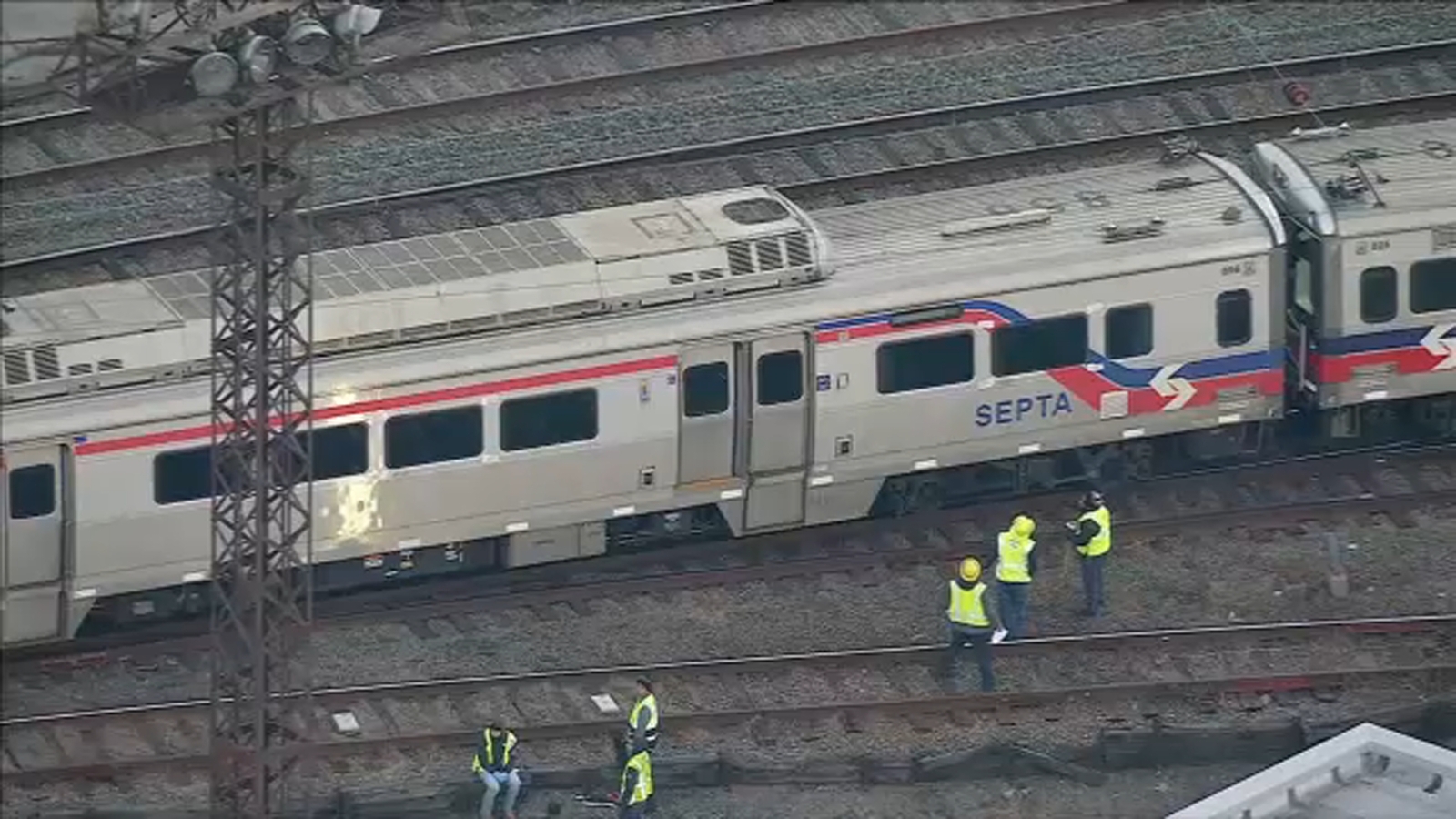
The Tuesday evening commute in Philadelphia quickly turned into a nightmare for thousands of riders when a major regional rail disruption crippled service along one of the busiest rail corridors in the city. What started as a routine evening rush hour spiraled into hours of frustration, stranded passengers, and cascading delays that rippled across SEPTA’s entire rail network.
SEPTA officials confirmed on Wednesday that equipment on top of a train exiting the rail yard near 30th Street Station became entangled with overhead catenary wire, triggering a power outage that effectively shut down a critical stretch of track. As crews scrambled to manage the initial incident, two additional trains were reported disabled between 30th Street and Suburban stations, leaving the agency with only a single functioning track in that section. The result was a regional rail disruption of epic proportions, with full service restoration not occurring until 7:25 p.m. , well beyond the typical rush hour window.
The Cascade Effect of a Single Mechanical Failure
One of the most troubling aspects of this regional rail disruption was how rapidly a single mechanical issue escalated into a system-wide event. When the overhead wire became tangled with train equipment, the immediate consequence was a loss of electrical power to that section of track. However, the downstream effects proved far more damaging than the initial failure itself.
With only one track available between two of the system’s most heavily trafficked stations, SEPTA had no choice but to operate limited service in a single direction at a time. This bottleneck created a domino effect:
- Train stacking: Multiple inbound and outbound trains accumulated behind the disabled equipment, unable to move forward or backward efficiently.
- Passenger displacement: Riders were stranded on stopped trains for extended periods, sometimes without clear communication about when service would resume.
- Crew deployment: SEPTA’s response teams had to be dispatched to multiple locations simultaneously to manage stranded trains and assist passengers.
- Schedule collapse: The entire evening timetable became effectively meaningless as trains sat idle or crawled through the single open track.
SEPTA’s Official Response to the Service Outage
In the aftermath of the disruption, SEPTA’s interim general manager Scott Sauer issued a formal statement acknowledging the severity of the situation and the agency’s response efforts. “Our response teams worked as quickly as possible to restore service , clearing multiple trains that were out of service, assisting passengers who were on stranded trains, and making required repairs to re-open tracks,” Sauer said. “Unfortunately we could not fully restore service until 7:25 p.m., and we know that many passengers experienced delays of two hours or more.”
Commitments to Improvement
Beyond simply acknowledging what went wrong, Sauer’s statement included a broader commitment to addressing the systemic issues that allowed a regional rail disruption of this magnitude to unfold. He emphasized that SEPTA is dedicated to making improvements that would prevent similar incidents in the future, as well as enhancing how the agency communicates with its customers during crises.
This dual focus , on both operational reliability and customer communication , reflects an understanding that transit agencies must address not only the technical causes of service failures but also the human experience of being caught in them. A two-hour delay is more tolerable when passengers understand what is happening, have realistic expectations about when service will resume, and feel that the agency is actively working on their behalf.
Why Overhead Wire Failures Are Particularly Disruptive
The cause of this particular regional rail disruption , overhead catenary wire damage , represents one of the most consequential types of failures a rail system can experience. Unlike many mechanical issues that can be isolated to a single train, overhead wire problems affect the entire electrical infrastructure that powers the system.
The Critical Role of Catenary Systems
Electric-powered regional rail systems like SEPTA’s depend on a continuous network of overhead wires that deliver power through a device called a pantograph on each train. When this system is compromised in any way, the consequences extend well beyond a single piece of equipment:
- Power loss across the affected section: Trains cannot operate without consistent electrical contact.
- Repair complexity: Overhead wire systems require specialized crews and equipment to repair safely.
- Safety protocols: Workers cannot approach damaged catenary until power is confirmed off, adding time to every repair.
- Limited redundancy: Most rail corridors don’t have alternative routing options when overhead infrastructure fails.
The Impact on Philadelphia Commuters
For the thousands of commuters who rely on SEPTA Regional Rail to travel between Philadelphia and its suburbs, this regional rail disruption represented more than just an inconvenience , it was a serious disruption to work, family obligations, medical appointments, and countless other daily activities. Many passengers experienced delays of two hours or more, according to SEPTA’s own acknowledgment.
Beyond the Immediate Delays
While the immediate effects of the disruption were significant, the ripple effects likely extended well into the following day and beyond:
- Missed connections: Passengers who transferred to other transit services or rideshare faced compounding delays.
- Late childcare pickups: Parents unable to reach daycare providers before closing times faced stressful logistical challenges.
- Work disruptions: Many commuters arrived home too late for evening responsibilities or too late to complete important work tasks.
- Trust erosion: Each major disruption chips away at rider confidence in the reliability of public transit.
Looking Ahead: Preventing Future Disruptions
Sauer’s commitment to making improvements suggests SEPTA recognizes that a single regional rail disruption of this magnitude should serve as a catalyst for meaningful change. Several areas are likely to receive attention as the agency evaluates its response and infrastructure.
Infrastructure Investment
Aging rail infrastructure is a perennial challenge for transit agencies across the United States, and SEPTA is no exception. The overhead wire failure near 30th Street Station highlights the importance of regular inspection, preventive maintenance, and capital investment in the systems that keep trains running.
Contingency Planning
While no transit system can completely prevent unexpected failures, having robust contingency plans in place can dramatically reduce the duration and severity of disruptions. This includes everything from maintaining reserve equipment to having clear communication protocols for keeping passengers informed.
Communication Protocols
Perhaps the most actionable area for improvement is in how transit agencies communicate with riders during a service disruption. Modern commuters expect real-time updates through mobile apps, station announcements, and social media , and gaps in any of these channels can transform a manageable delay into a deeply frustrating experience.
Conclusion
The Tuesday regional rail disruption near Philadelphia’s 30th Street Station served as a stark reminder of how quickly routine operations can cascade into major service failures when critical infrastructure fails. From the initial overhead wire entanglement to the secondary train disablements that left only one track operational, this incident exposed vulnerabilities in both equipment reliability and operational response that SEPTA will need to address going forward.
For the thousands of Philadelphia-area commuters who endured delays of two hours or more, the disruption represented real consequences , missed appointments, disrupted family routines, and shaken confidence in a transit system they depend on daily. SEPTA’s interim general manager Scott Sauer has acknowledged these impacts and committed to improvements in both operations and customer communication.
As the agency works to restore full confidence in its regional rail service, riders will be watching closely to see whether the lessons from this disruption translate into meaningful change. Reliable public transit isn’t just about moving people from point A to point B , it’s about maintaining the social and economic fabric of an entire region. When regional rail service fails on this scale, the effects ripple far beyond the rail yards and stations where the problems originate.