
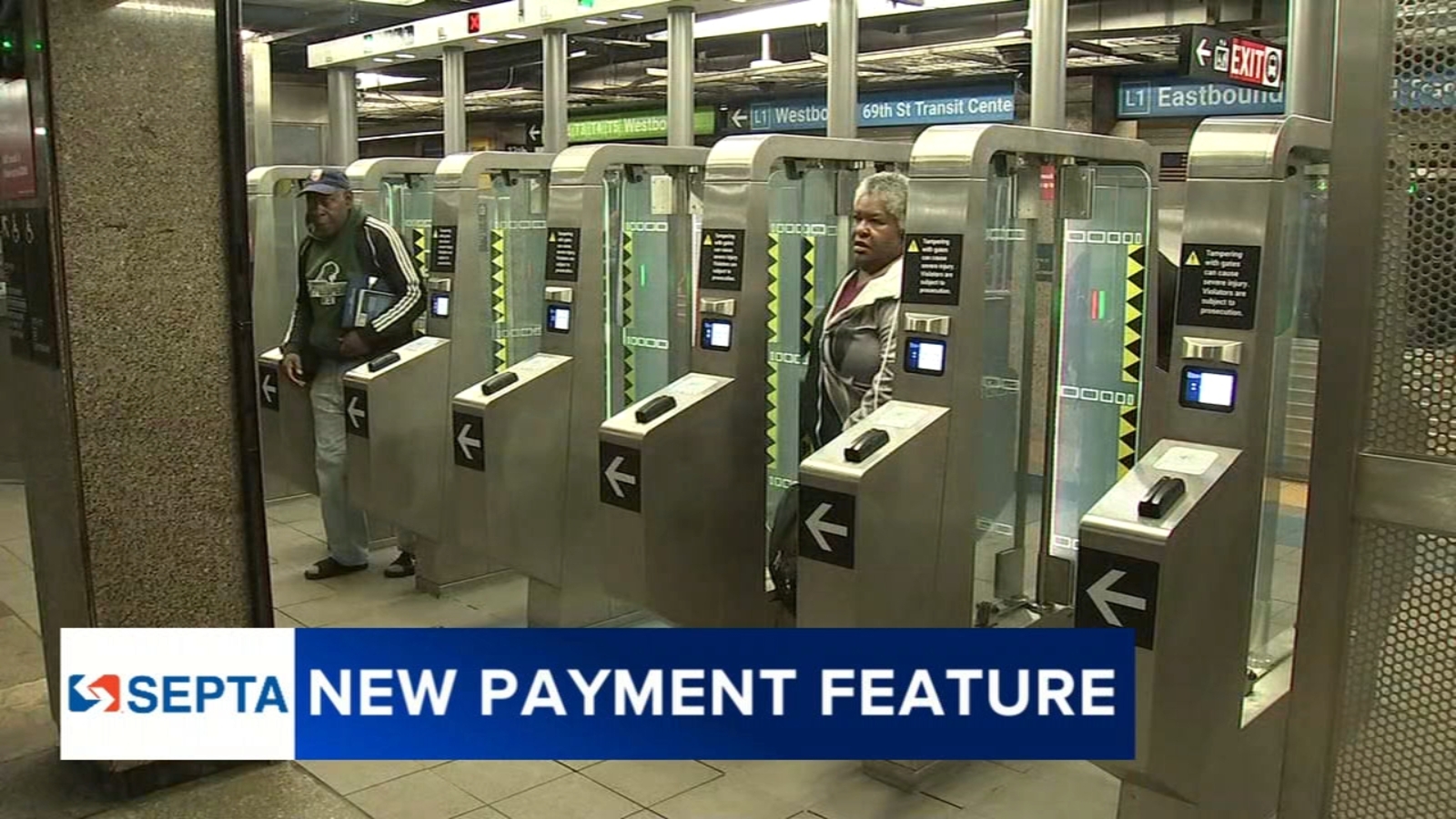
Philadelphia commuters just received a major upgrade to their daily travel experience. SEPTA has officially rolled out an expanded contactless payment system that allows riders to tap a single credit card, debit card, or mobile wallet to pay for up to five passengers at once. This long-awaited feature eliminates the need for a SEPTA Key card and makes group travel significantly easier, especially for those heading to busy destinations like the Sports Complex.
This move positions SEPTA among the most forward-thinking transit agencies in the country, embracing technology that riders already use every day at coffee shops, grocery stores, and gas stations. Let’s break down what this change means, how it works, and why it matters for the future of public transportation in Philadelphia.
What Changed in SEPTA’s Fare System?
For years, SEPTA riders had limited options when it came to paying their fares. The traditional SEPTA Key card served as the agency’s primary tap-based payment method, but it required users to load funds onto a physical card before boarding. While functional, the system was less flexible than the modern payment habits most commuters had already adopted.
Now, that barrier has been removed. Riders can simply tap any contactless-enabled credit or debit card, or use a mobile wallet such as Apple Pay, Google Pay, or Samsung Pay, directly at the fare reader. The new contactless payment option is available across all modes of SEPTA transportation, including buses, trolleys, subways, and regional rail within the city.
The Multi-Rider Feature Explained
The most exciting part of this rollout is the multi-rider functionality. With a single tap, customers can pay for up to five riders at once. This is particularly useful for:
- Families traveling with children who may not have their own payment method.
- Groups of friends heading to concerts, games, or events.
- Tourists unfamiliar with the SEPTA Key system.
- Business travelers needing to cover fares for clients or colleagues.
To use the multi-rider option, travelers simply tap their card or device once for each rider in their group, up to five times. The fare reader will process each transaction sequentially, applying the standard fare to each passenger.
Why This Contactless Payment Expansion Matters
The shift toward open-loop payment systems represents a significant transformation in how public transit operates. Rather than requiring riders to adopt agency-specific technology, SEPTA is meeting customers where they already are. Most adults in the United States already carry a contactless credit card or smartphone, making this transition virtually seamless.
Convenience for Everyday Riders
Imagine stepping onto a bus without fumbling for a SEPTA Key card or worrying about whether you have enough loaded value. With the new system, you simply tap and go. This reduces boarding times, which in turn can help buses maintain their schedules and improve the overall efficiency of the transit network.
For occasional riders or visitors to Philadelphia, the new contactless payment option eliminates a major friction point. No longer do tourists need to research how to acquire and load a SEPTA Key card before their trip. They can use the same payment method they use at home.
Benefits for Group Travel
The multi-rider feature is especially valuable during Philadelphia’s busy event seasons. When the Phillies, Eagles, Sixers, or Flyers are playing at the Sports Complex, thousands of fans descend on the Broad Street Line and other transit routes. Previously, groups had to ensure everyone had their own fare card ready. Now, a single person can cover the entire group’s fare with a few quick taps.
This is also a game-changer for parents traveling with young children. Kids under a certain age ride free on SEPTA, but for families with multiple fare-paying members, the ability to consolidate payment simplifies the boarding process considerably.
How to Use SEPTA’s New Tap-to-Pay System
Getting started with the new payment option is straightforward. Here’s a step-by-step guide for first-time users:
- Ensure your card or device supports contactless payment. Look for the wave symbol on your credit or debit card. Most cards issued in the past few years include this feature. Mobile wallets are available on most modern smartphones and smartwatches.
- Locate the fare reader when boarding your bus, trolley, or train. The readers are clearly marked and display the contactless symbol.
- Tap your card or device against the reader. Wait for the confirmation beep or visual signal indicating a successful transaction.
- For multiple riders, tap your card or device once for each passenger, up to five total. The system will register each tap as a separate fare.
If you accidentally tap more times than intended, don’t worry. The system caps at five riders, so additional taps will not register as additional fares.
What About Existing SEPTA Key Card Users?
SEPTA Key cards will continue to work as before. Riders who have already loaded funds onto their cards, or who rely on weekly and monthly passes, can keep using them without any disruption. The new contactless option simply provides an alternative for those who prefer it.
This dual-system approach allows SEPTA to gradually transition riders while accommodating those who depend on the existing infrastructure. It also respects the investments many riders have already made in their SEPTA Key cards.
Comparing Costs and Convenience
Fare prices remain the same regardless of which payment method you choose. Whether you tap a credit card, mobile wallet, or SEPTA Key card, you’ll pay the same standard fare. There are no additional surcharges for using the contactless system.
However, convenience varies by user. For people who already use mobile wallets for most of their purchases, the new system feels more intuitive. For riders who buy weekly or monthly passes, the SEPTA Key card may still offer better value since those passes aren’t available through the tap-to-pay system.
The Future of Fare Collection in Philadelphia
SEPTA’s expansion of contactless payment options signals a broader shift in how American transit agencies are approaching fare collection. Cities like New York, London, and Chicago have already implemented similar systems, and Philadelphia’s adoption of this technology brings it in line with global best practices.
Looking ahead, we can expect SEPTA to continue refining its payment infrastructure. Potential future developments might include:
- Account-based ticketing that allows riders to manage their fares through an online portal.
- Integration with regional transit systems for seamless travel across state lines.
- Enhanced data analytics to improve service planning and rider experience.
- Discount programs for frequent riders using the contactless system.
These innovations would build on the foundation laid by the current expansion, making Philadelphia’s transit system even more accessible and user-friendly.
What Riders Should Know Before Their Next Trip
As with any new technology, there may be a brief learning curve as riders adjust to the expanded options. Here are a few tips to ensure a smooth experience:
- Charge your phone before relying on a mobile wallet, as a dead battery means you can’t tap to pay.
- Keep your physical card accessible as a backup in case of technical issues.
- Check your bank’s daily transaction limits if you plan to tap multiple times for a large group.
- Be patient with fare readers during the initial rollout, as staff and riders alike get accustomed to the new system.
SEPTA has been actively communicating these changes through signage, announcements, and customer service channels to ensure a smooth transition for all riders.
Conclusion
SEPTA’s decision to expand its contactless payment system represents a significant step forward for public transportation in Philadelphia. By allowing riders to tap credit cards, debit cards, and mobile wallets to pay for up to five passengers at a time, the agency is removing friction, speeding up boarding, and welcoming a broader range of riders into the system. Whether you’re a daily commuter, a weekend sports fan, or a first-time visitor to the city, the new payment options make getting around Philadelphia easier than ever before.
As transit agencies nationwide continue to modernize, SEPTA’s latest move demonstrates a clear commitment to meeting riders where they are, both literally and figuratively. The future of fare collection has arrived in Philadelphia, and it’s as simple as tap and go.