
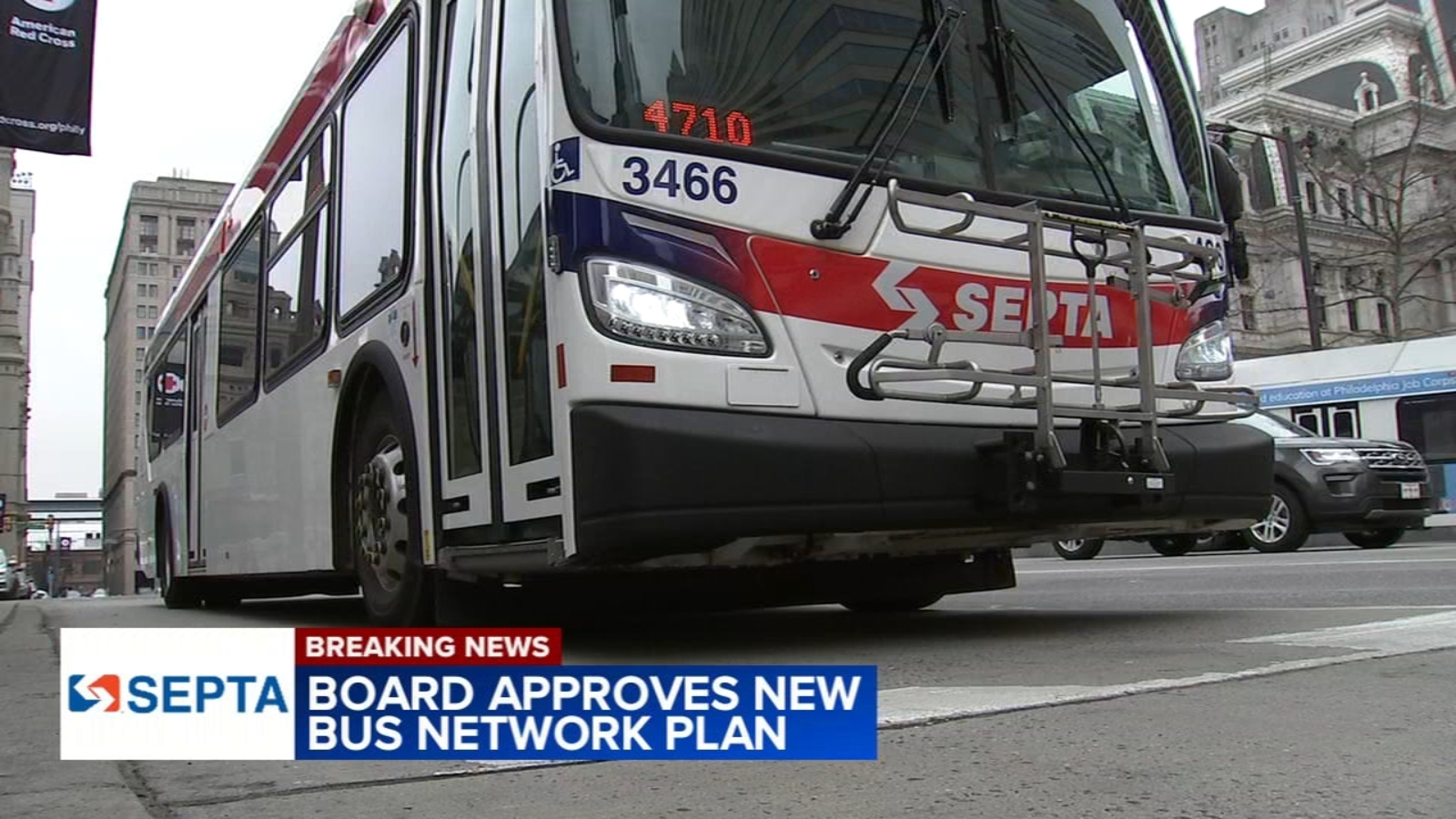
Philadelphia’s public transportation landscape is about to undergo its most ambitious transformation in decades. SEPTA’s board has officially approved the New Bus Network plan, marking the transit authority’s first-ever comprehensive overhaul of its bus system. This landmark SEPTA bus network redesign, formerly known as Bus Revolution, promises to reshape how millions of Philadelphians navigate their city every day. With changes beginning to roll out in August 2025 and continuing through 2027, riders should prepare for a more streamlined, reliable, and intuitive bus experience.
A Historic Overhaul for Philadelphia’s Transit System
For the first time in SEPTA’s history, the authority has taken a top-to-bottom approach to reimagining its bus network. The board’s unanimous approval of the New Bus Network plan signals a major shift in how the agency thinks about coverage, frequency, and service design. Rather than tweaking individual routes or making isolated adjustments, this redesign treats the entire bus system as a unified network that must work cohesively.
The initiative, which was previously branded as Bus Revolution, has now adopted a more descriptive name that reflects its mission: creating an entirely new framework for bus service in the Philadelphia region. The decision comes after extensive community engagement, ridership analysis, and operational modeling to identify where service can be strengthened and where it has been underperforming.
Why the Redesign Matters: Goals and Vision
At its core, the SEPTA bus network redesign is built around three guiding principles: efficiency, reliability, and navigability. For too long, bus riders in Philadelphia have grappled with confusing route patterns, inconsistent schedules, and overlapping services that waste valuable resources without improving access.
The new plan addresses these pain points head-on. By cutting redundant routes, eliminating low-ridership patterns, and reallocating those resources to high-demand corridors, SEPTA aims to deliver a system where buses arrive more frequently and on time. Riders should also find the network easier to understand, with clearer route structures that make sense at a glance.
In addition to restructuring existing service, the plan introduces two brand-new routes and expands late-night and weekend operations. These additions acknowledge the diverse travel patterns of modern Philadelphians, including workers with non-traditional schedules and residents who rely on transit for weekend errands and recreation.
Timeline: What Riders Can Expect
The rollout will not happen overnight. Service changes are scheduled to begin in August and will continue in phases through 2027. This phased approach allows SEPTA to:
- Monitor ridership patterns and adjust as needed
- Train operators and staff on new route configurations
- Update signage, schedules, and digital tools
- Communicate changes effectively to the riding public
Phase 1 focuses on changes taking effect in 2026, representing the most immediate set of adjustments. Subsequent phases will continue to refine the network, building on lessons learned from earlier rollouts.
Phase 1 Service Changes for 2026
The first phase of the SEPTA bus network redesign introduces a wide range of modifications across dozens of routes. Whether you ride daily or occasionally, there’s a good chance your commute will be affected. Here’s a detailed breakdown of what to expect.
New Routes Coming Online
Two entirely new routes will launch as part of Phase 1:
- Route 72 (Cheltenham Ave): This new service will provide vital connections along Cheltenham Avenue, improving access for communities along this important corridor.
- Route 76 (Crescentville to Center City via Columbus Blvd): This route creates a new direct link from Crescentville to Center City, utilizing Columbus Boulevard to connect neighborhoods that previously required transfers or longer trips.
Frequency Improvements
Six routes will see significant frequency upgrades, meaning shorter waits and more reliable service throughout the day. The following routes will operate more frequently:
- Route 6
- Route 46
- Route 47
- Route 49
- Route 57
- Route 64
These frequency improvements target some of the busiest corridors in the system, where increased demand justifies running buses more often.
Improved Route Alignments
Several routes will be rerouted to better serve riders and align with actual travel patterns. Improved alignments are planned for Routes 25, 57, 49, 64, and 105. These changes typically involve removing inefficient detours, creating more direct paths, and ensuring that buses stop where riders actually need to go rather than where the original routes were designed decades ago.
Service Reductions
Not every route will see expansion. Some lines will experience reduced service as part of the redesign. The following routes will see service scaled back: Routes 4, 32, 39, 54, and 73. While reductions can be disruptive for current riders, SEPTA emphasizes that these changes free up resources for high-impact improvements elsewhere in the network.
Route Eliminations and Pattern Cuts
The most dramatic changes involve eliminating inefficient or duplicative service patterns. Several routes will lose specific trip patterns that have shown low ridership:
- Routes with eliminated low-ridership and inefficient patterns: 17, 44, and 52
- Routes with eliminated low-ridership or duplicative service: 35, 47M, 62, 78, 80, 89, and 106
These eliminations target specific service patterns rather than entire routes, allowing SEPTA to retain core coverage while cutting the least-used portions of each line.
How Riders Can Prepare
If you regularly ride any of the affected routes, now is the time to start preparing for the changes ahead. Here are a few practical steps to take:
Review Your Current Routes: Visit SEPTA’s official website at SEPTA.org/Initiatives/Bus for detailed information about how your specific routes will change. The agency has published comprehensive maps and schedules showing the new network design.
Plan Alternative Routes: If your route is being reduced or modified, identify backup options in advance. The frequency improvements on adjacent routes may actually make your trip faster or more convenient than before.
Sign Up for Alerts: SEPTA offers notification services that can keep you informed about schedule changes, service alerts, and upcoming modifications. Subscribing before the August rollout ensures you won’t miss critical updates.
Provide Feedback: Even after the plan’s approval, SEPTA continues to gather input from riders. Sharing your experience during the transition helps the agency make refinements in subsequent phases.
Looking Ahead: The Future of Philadelphia Transit
The approval of the SEPTA bus network redesign represents more than a simple set of route adjustments. It signals a philosophical shift toward data-driven transit planning, where every service hour is allocated based on demonstrated need and strategic priorities. Philadelphians who have long complained about inefficient buses, confusing schedules, and missed connections should begin to see meaningful improvements as Phase 1 takes effect throughout 2026.
Conclusion
SEPTA’s New Bus Network plan marks a watershed moment for public transportation in Philadelphia. By introducing new routes, boosting frequency on busy corridors, realigning inefficient services, and eliminating redundant patterns, the transit authority is laying the groundwork for a more modern, rider-focused system. While change of this magnitude inevitably creates short-term uncertainty, the long-term vision is compelling: a bus network that works better for everyone. Stay informed, plan ahead, and take advantage of the resources SEPTA provides to ensure a smooth transition into this exciting new era of regional transit.