
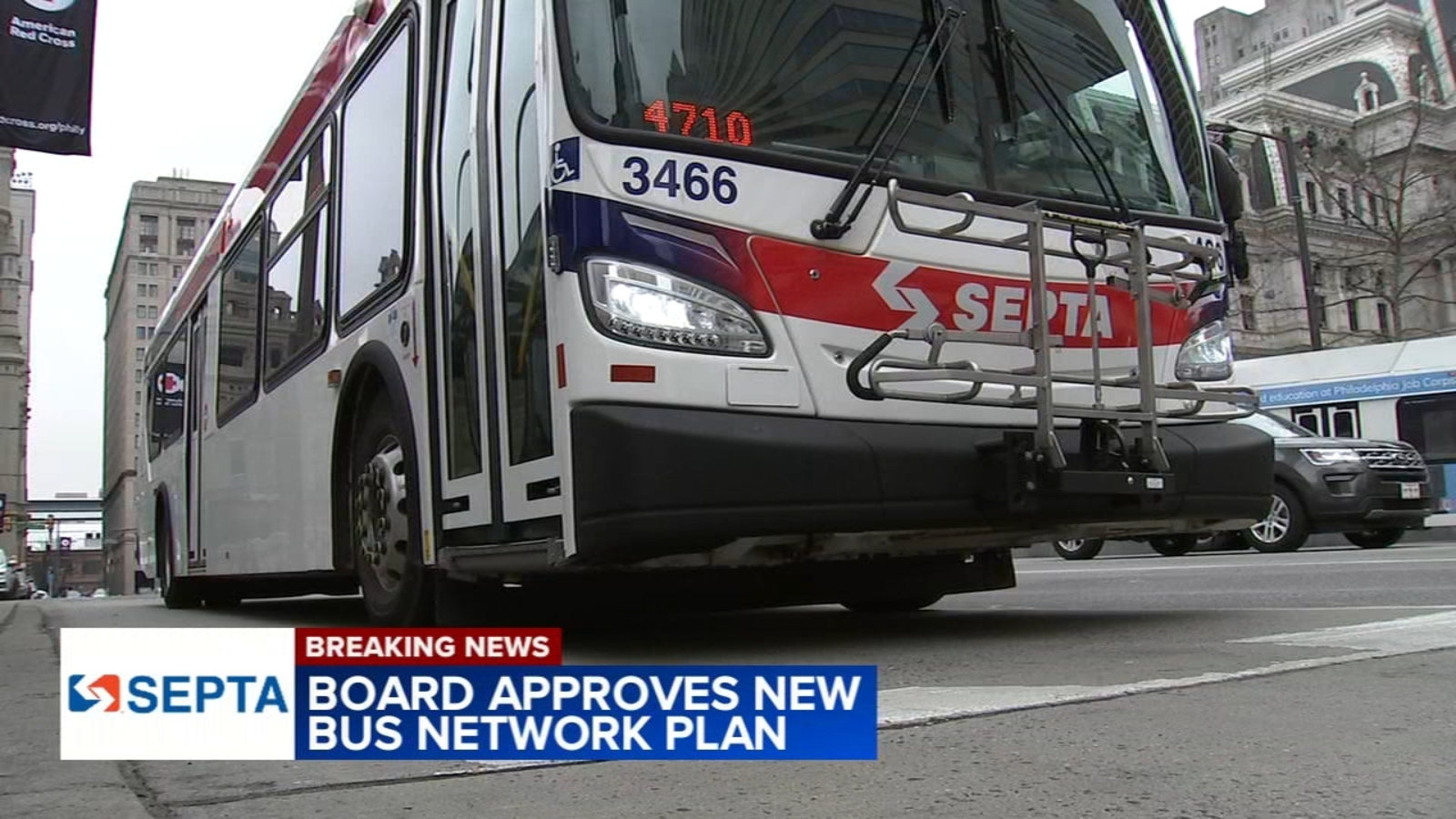
Philadelphia commuters have reason to pay close attention: SEPTA’s board has officially approved the SE PTA bus network redesign, marking the first comprehensive overhaul of the city’s bus system in the authority’s history. Known previously as Bus Revolution and now rebranded as the New Bus Network, this ambitious plan is set to transform how residents and visitors move across the region. With new routes launching, frequency upgrades on busy lines, and the elimination of underused services, the redesign promises a more efficient, reliable, and rider-friendly experience. The rollout begins in August and will continue through 2027, with significant 2026 service changes arriving as part of Phase 1.
From Bus Revolution to New Bus Network: A Brief Background
For years, SEPTA’s bus system has been a sprawling network of routes, many of which overlap or have seen ridership dwindle over time. Recognizing the need for modernization, SEPTA launched an extensive planning initiative originally called Bus Revolution. After extensive community input, ridership analysis, and route performance reviews, the program was renamed the New Bus Network , a clearer reflection of its mission to rebuild the system from the ground up.
The redesign represents the most sweeping set of SEPTA route changes the city has ever seen. Rather than tweaking individual lines, planners took a holistic approach, evaluating every route against current travel patterns, population density, employment hubs, and connections to other transit modes. The result is a streamlined network designed to serve Philadelphia’s evolving transportation needs well into the future.
Core Goals of the Redesign
The driving philosophy behind the Philadelphia bus network redesign is straightforward: maximize usefulness for the largest number of riders while making the system easier to understand. SEPTA outlined several key objectives that shape every decision in the plan:
- Greater efficiency: Consolidating overlapping routes so that buses aren’t competing for the same passengers on parallel corridors.
- Improved reliability: Aligning schedules and frequencies with actual demand, so riders can count on consistent service.
- Easier navigation: Simplifying route names, alignments, and connections so that both longtime riders and newcomers can plan trips without confusion.
- Expanded late-night and weekend options: Adding new trips outside of traditional weekday rush hours to better serve shift workers, weekend travelers, and the nightlife economy.
- Resource reallocation: Cutting low-ridership and duplicative services to reinvest savings into higher-frequency routes that more people rely on.
Two New Routes Coming to Philadelphia
A centerpiece of the 2026 changes is the introduction of two entirely new SEPTA bus routes designed to fill critical gaps in the existing network:
- Route 72 (Cheltenham Avenue): This new line will provide dedicated service along Cheltenham Avenue, improving connectivity for neighborhoods that have historically relied on less direct options. It will offer riders a streamlined path to key commercial and residential corridors.
- Route 76 (Crescentville to Center City via Columbus Boulevard): Designed as a major north-south connection, Route 76 will link Crescentville directly to Center City by way of Columbus Boulevard , a corridor that has grown rapidly with new residential and commercial development but lacked direct transit options.
These additions are more than just extra lines on a map. They represent strategic investments in growing parts of the city where ridership potential is high but service has been lacking.
Frequency Upgrades on Busy Routes
One of the most rider-facing improvements in Phase 1 is a wave of SEPTA frequency improvements on several high-demand routes. Buses on these lines will arrive more often, reducing wait times and making transit a more competitive option compared to driving.
The routes receiving frequency boosts include:
- Route 6
- Route 46
- Route 47
- Route 49
- Route 57
- Route 64
For daily commuters, this is perhaps the most tangible benefit of the redesign. A bus that comes every 10 minutes instead of every 20 fundamentally changes the calculus of whether to leave the car at home.
Improved Alignments for Better Connectivity
Beyond simply running buses more often, SEPTA is also reworking the physical paths that several routes take. Improved alignments mean that buses will follow more direct, logical paths that better match where riders actually need to go. The routes seeing alignment changes include:
- Route 25
- Route 57
- Route 49
- Route 64
- Route 105
By straightening out inefficient detours and connecting directly to major destinations, these adjustments will reduce travel times and make transfers smoother , particularly for riders connecting to the Broad Street Line, Market-Frankford Line, and Regional Rail.
Reduced Service on Lower-Demand Routes
No comprehensive redesign can add service everywhere without making tradeoffs. As part of the Philadelphia transit changes rolling out in 2026, SEPTA will reduce service on several routes where ridership has not kept pace with the level of service offered. These adjustments allow the agency to redirect resources toward routes where they will benefit more riders.
The routes receiving reduced service include:
- Route 4
- Route 32
- Route 39
- Route 54
- Route 73
For riders on these lines, reduced service does not necessarily mean elimination, but it may mean fewer trips per day or modified scheduling. SEPTA has encouraged affected riders to review the new timetables carefully.
Eliminated Routes and Service Patterns
The hardest part of any transit redesign is deciding which services to cut. SEPTA identified several routes and route patterns that have consistently low ridership or duplicate service already provided by other lines. These will be eliminated as part of the new network:
- Eliminated for low ridership and inefficient patterns: Routes 17, 44, and 52
- Eliminated for low ridership or duplicative service: Routes 35, 47M, 62, 78, 80, 89, and 106
While these cuts will inevitably inconvenience some current riders, SEPTA’s planning analysis suggests that the vast majority of affected passengers live within a short walk of alternative routes that will continue to operate, often with improved frequency.
Implementation Timeline: What to Expect and When
One of the most important things for riders to understand is that the SE PTA bus network redesign will not happen overnight. The rollout is phased over more than a year to give passengers time to adjust and to allow SEPTA to address any issues that arise.
- August (Phase 1 begins): The first wave of service changes takes effect, including the launch of Routes 72 and 76 and the initial round of frequency improvements and alignment changes.
- Throughout 2026: Additional adjustments continue to roll out as new timetables are finalized and resources are shifted.
- Through 2027: Later phases will bring further refinements, including additional late-night and weekend service expansions.
SEPTA has committed to keeping the public informed throughout the process, with detailed maps, schedules, and rider guides available through its website.
What Philadelphia Riders Should Do Now
With significant changes just around the corner, now is the time for riders to prepare. Here are a few practical steps:
- Review your regular routes. Check whether the bus you take to work, school, or appointments is changing, being eliminated, or improving.
- Identify backup options. If your current route is being reduced or eliminated, map out the nearest alternative route or transit combination.
- Sign up for SEPTA alerts. Staying subscribed to SEPTA’s notification system ensures you’ll hear about schedule changes and service updates as they happen.
- Visit the official resource page. SEPTA has posted detailed information at SEPTA.org/Initiatives/Bus, including new route maps, frequency charts, and answers to frequently asked questions.
Looking Ahead: A Modern Bus System for a Modern City
The approval of the New Bus Network marks a turning point for Philadelphia public transit. For decades, the city’s bus system has grown incrementally, accumulating redundancies and inefficiencies that made it harder to use than it needed to be. The redesign tackles those problems head-on, delivering a system that prioritizes the routes most people rely on while opening up new connections in underserved areas.
There will undoubtedly be an adjustment period as riders learn new routes, new schedules, and new transfer points. But the long-term vision , a faster, simpler, more dependable bus network , represents a significant investment in the daily lives of hundreds of thousands of Philadelphians. As the phased rollout progresses through 2026 and into 2027, the SEPTA bus network redesign is poised to reshape how the city moves, making public transit a more attractive choice for everyone from daily commuters to occasional riders.