
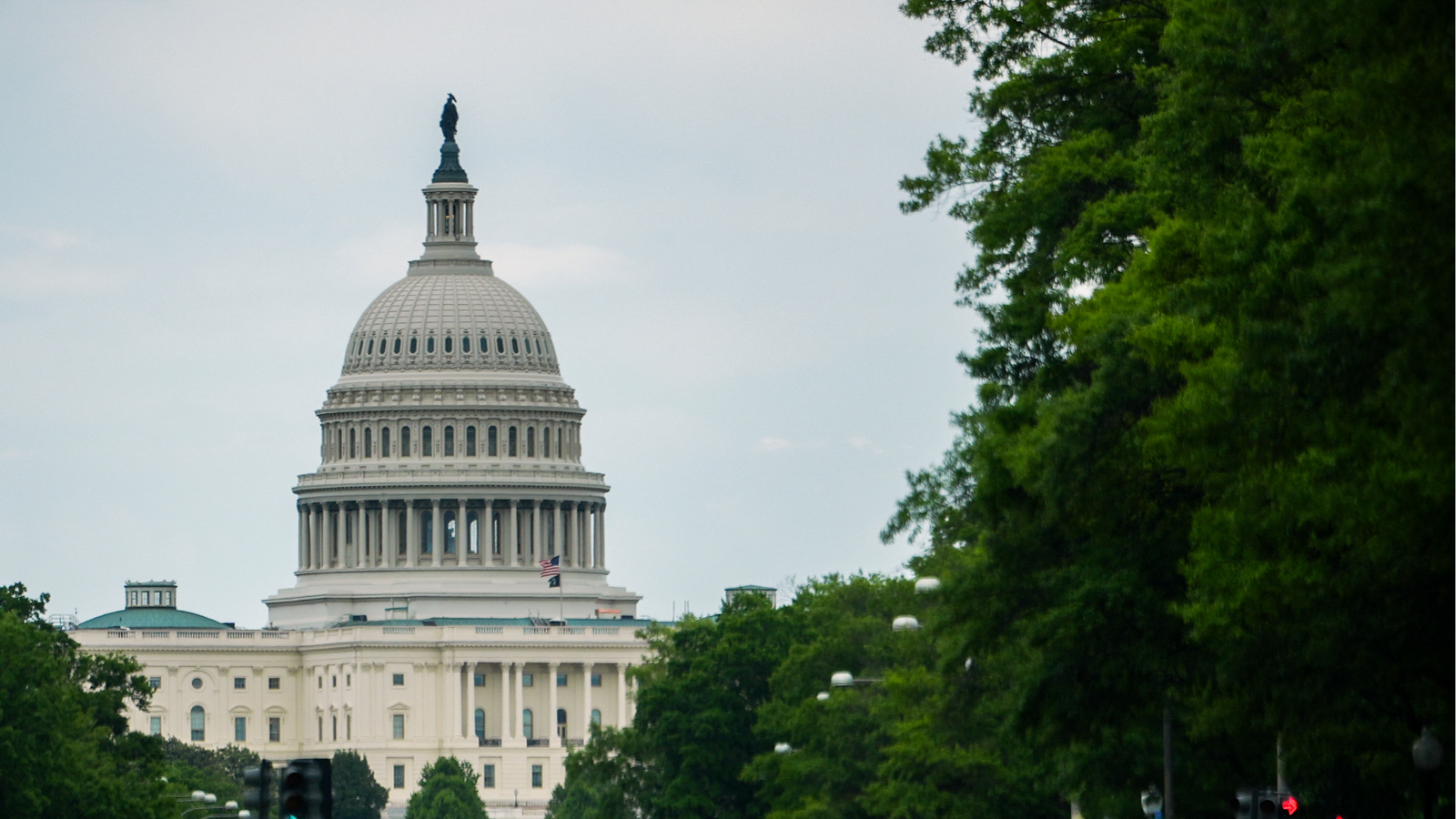
In a rare display of bipartisan unity, the U.S. Senate has voted unanimously to approve a resolution that would withhold senator pay during shutdown events. Sponsored by Senator John Kennedy of Louisiana, the measure represents a significant step toward imposing financial consequences on lawmakers when the federal government grinds to a halt. With federal shutdowns becoming longer, more frequent, and increasingly disruptive, this legislative action attempts to address widespread public frustration over congressional dysfunction.
Understanding the Resolution
The newly approved resolution introduces a clear mechanism for financial accountability among senators. Under its terms, the Secretary of the Senate would be required to withhold senators’ paychecks whenever a government shutdown affects one or more federal agencies. Those withheld funds would remain frozen until funding is fully restored across the affected agencies.
One notable aspect of the legislation is its effective date. Rather than taking effect immediately, the resolution is scheduled to begin the day after the November 3 general election. This timing has drawn attention from political observers who note that lawmakers approved a measure that won’t impact them until after they face voters at the polls.
Senator Kennedy framed the legislation in characteristically blunt terms during his floor speech. “Shutting down government should not be our default solution to our refusal to work out our issues and our differences,” he remarked, adding, “This is about putting our money where our mouth is.”
The Backdrop of Record-Breaking Shutdowns
The urgency behind this resolution stems from an unprecedented string of funding impasses that have paralyzed federal operations. Within the past year alone, the nation has weathered two major shutdowns that inflicted real hardship on hundreds of thousands of American families.
The 43-Day Full Government Shutdown
The first major disruption began in October and lasted 43 days, making it the longest full government shutdown in American history. Triggered by a dispute over health care subsidies, this funding lapse affected agencies across the entire federal spectrum, leaving countless workers uncertain about when their next paycheck would arrive.
The 76-Day Department of Homeland Security Shutdown
Just months after the broader shutdown ended, the Department of Homeland Security entered its own funding crisis. This partial shutdown stretched for 76 days, surpassing the previous record for an agency-specific funding lapse. The DHS shutdown finally concluded last month, but not before creating significant financial strain for the department’s workforce.
These back-to-back disruptions underscore why the question of senator pay during shutdown has become such a pressing concern. The Constitution requires that lawmakers continue receiving their salaries even when the government they oversee cannot function,a provision that has fueled growing public anger.
A Constitutional Quirk Creates Outrage
The current arrangement, in which senators and representatives continue earning paychecks while federal workers are furloughed or forced to work without compensation, has long struck average Americans as fundamentally unfair. This disparity gained renewed attention during the recent shutdowns, prompting several legislative proposals aimed at rectifying the imbalance.
During the October shutdown, Senator Lindsey Graham of South Carolina proposed a constitutional amendment that would require members of Congress to forfeit their paychecks whenever the government is closed. Graham argued that such a measure would discourage shutdowns and encourage faster resolutions.
“If members of Congress had to forfeit their pay during government shutdowns, there would be fewer shutdowns and they would end quicker,” Graham stated at the time.
However, Graham acknowledged that his approach faced significant procedural hurdles. Amending the Constitution requires ratification by three-fourths of state legislatures,a process that could take years, if it succeeded at all. While Graham characterized his amendment as the most “constitutionally sound” approach, the laborious process made it impractical as an immediate solution.
Shared Sacrifice Versus Half Measures
Senator Kennedy has been transparent about the limitations of his resolution. When speaking with reporters, he acknowledged that the measure does not go as far as he would personally prefer. Nevertheless, he described it as an important first step toward establishing the principle of “shared sacrifice” during funding lapses.
The resolution’s scope is also notably limited. It applies only to senators and does not extend to members of the House of Representatives. When asked why the legislation didn’t cover both chambers, Kennedy offered a candid response that hinted at the often-fractious relationship between the two bodies.
“The House’s business is the House’s business,” Kennedy said, while also acknowledging the inter-chamber tensions that have complicated recent budget negotiations. He likened the dynamic to “two kids fighting in the back of a minivan.”
Historical Precedents and Unfulfilled Pledges
The idea of lawmakers sacrificing their pay during shutdowns is not new. Throughout previous funding crises, members of Congress have frequently pledged to donate or forgo their salaries while federal workers went unpaid. However, these voluntary commitments have often proven unreliable, with some lawmakers quietly accepting their full paychecks despite earlier promises.
This pattern of unfulfilled pledges has contributed to public skepticism about whether voluntary measures can meaningfully address the problem. By creating a binding mechanism through the Secretary of the Senate, Kennedy’s resolution attempts to remove the element of personal discretion that has undermined previous efforts.
The Broader Implications for Congressional Accountability
The unanimous Senate vote signals recognition across the political spectrum that the status quo is unsustainable. Regardless of party affiliation, lawmakers have faced constituent backlash over shutdown-related disruptions, and the new resolution reflects an attempt to demonstrate responsiveness to voter concerns.
Some political analysts suggest that withholding senator pay during shutdown events could serve as a deterrent, though its practical impact may be limited. Senators earn substantial salaries, and the financial penalty may not be severe enough to fundamentally alter budget negotiations. However, the symbolic value of the measure could be significant, sending a message that Congress recognizes the need for greater accountability.
What the Resolution Does Not Address
While the legislation represents progress, it leaves several issues unresolved. The most glaring omission is the absence of any provision affecting House members, creating an uneven accountability standard between the two chambers. Additionally, the resolution does not address the underlying causes of frequent shutdowns, such as the recurring use of funding deadlines as leverage in policy disputes.
Critics have also pointed out that the delayed effective date,after the November election,allows current senators to avoid the immediate consequences of their own vote. While this timing was likely chosen to avoid accusations of self-serving legislation, it has drawn criticism from those who argue that accountability should begin immediately.
Looking Ahead
As the November election approaches and the new resolution’s effective date draws nearer, attention will likely shift to whether similar measures can be applied to the House. Whether Kennedy’s legislation inspires parallel action in the lower chamber, or whether it remains a Senate-only initiative, remains to be seen.
For now, the unanimous approval represents one of the few areas of bipartisan cooperation in an otherwise divided Congress. It acknowledges a simple truth that frustrated voters have articulated for years: when the government fails to perform its most basic function, those responsible should share in the consequences.
The measure also sets an important precedent. By establishing a mechanism that automatically withholds pay during shutdowns, the Senate has moved beyond voluntary pledges toward enforceable accountability. While not a complete solution to the dysfunction that leads to repeated funding crises, it represents meaningful progress in aligning the financial interests of lawmakers with those of the federal employees and ordinary citizens who suffer most when shutdowns occur.
Ultimately, the true test of this resolution will come during the next government shutdown,when senators face the choice they have imposed upon themselves: forgo their paychecks alongside the workers their failure has affected, or find a way to keep the government functioning in the first place. For an institution that has struggled with basic governance, that choice may prove to be the most consequential one of all.