
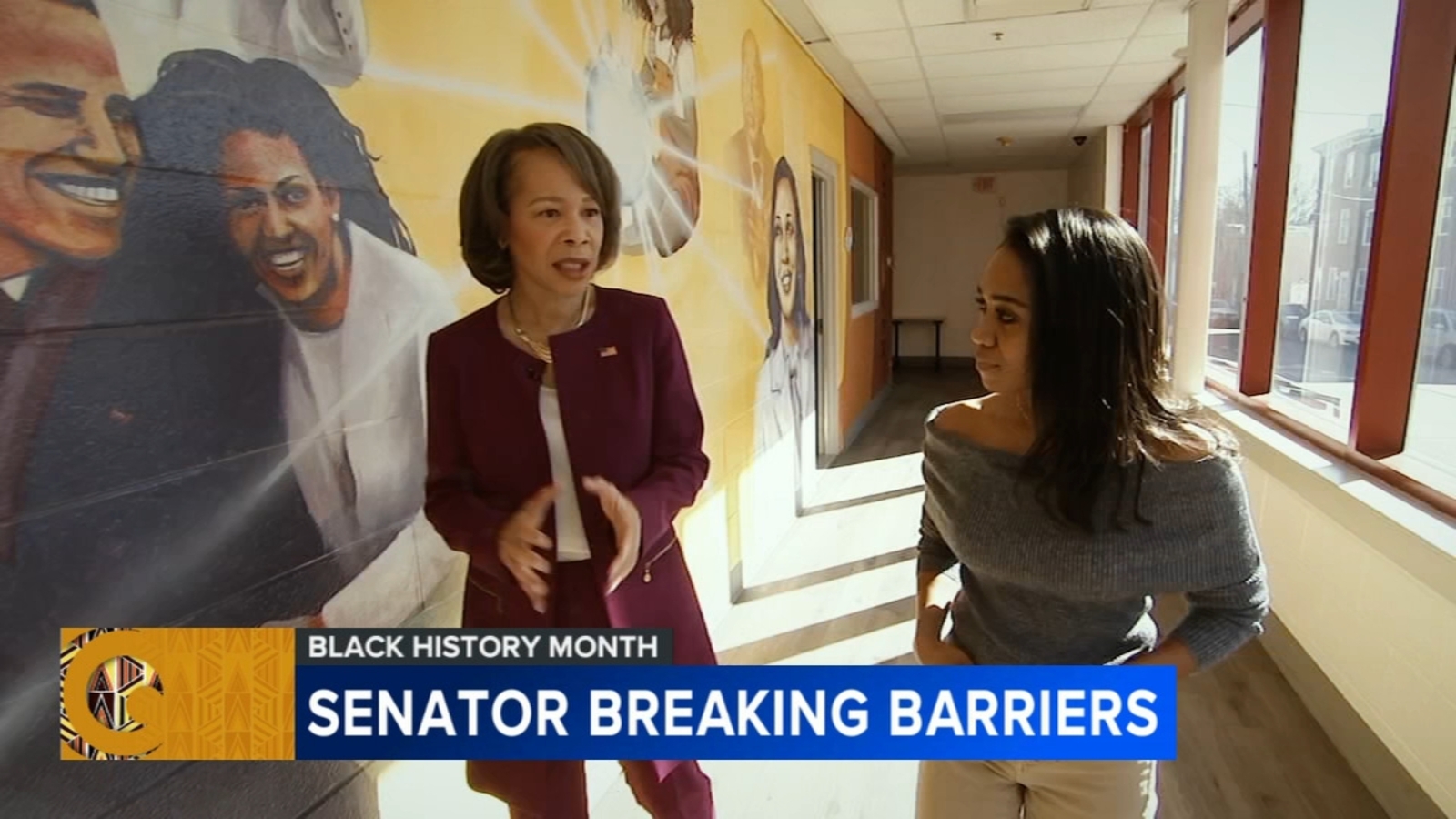
Senator Lisa Blunt Rochester has never viewed her historic career as a collection of personal milestones. Instead, she sees public office as an opportunity to improve lives, encourage greater participation and demonstrate what is possible when people remain committed to service. As Delaware’s first Black woman senator, she is breaking barriers in Washington while carrying lessons from her family, her state and the communities she represents into the U.S. Senate.
During a candid conversation about her first month in the upper chamber, Blunt Rochester reflected on the responsibility of representation, the value of bipartisan cooperation and the influence of her father, Ted Blunt. Her perspective offers a timely reminder that historic leadership is most meaningful when it creates opportunities for others.
Making History by Making a Difference
For Blunt Rochester, history is not the ultimate objective. It is evidence of what can happen when preparation, persistence and public service converge. She has consistently emphasized that elected officials should be judged by the difference they make in people’s lives rather than by the offices they hold or the records they establish.
That outlook is especially significant because her election represents more than a political achievement. It gives Delawareans a senator whose background and experiences reflect communities that were historically underrepresented in national leadership. Her presence expands the idea of who can serve in the Senate and helps make government more representative.
“You become what you see, unless you see what you want to become,” is the advice her father once gave her on a business card. The message became a foundation for her career. It suggests that representation can shape ambition: when individuals see someone who shares their identity, community or life experience in a position of authority, they can more readily imagine themselves there as well.
A Career Rooted in Service
Blunt Rochester’s path to the Senate was built through years of public service rather than a sudden entrance onto the national stage. Her experience includes work in Delaware state government, where she served as deputy secretary of health and social services. That role gave her insight into how policy decisions affect families, healthcare, social services and other essential systems.
She later became Delaware’s first Black woman to represent the state in Congress, further establishing her reputation as a pragmatic and committed public servant. Her historic run for the Senate added a new chapter to a career already defined by service.
Her father’s example helped shape that commitment. Ted Blunt, a former Wilmington council president, was known for his dedication to serving others. Blunt Rochester remembers his emphasis on public responsibility and still draws on the lessons he passed down to her.
- Service before recognition: Her father taught her that helping communities should be its own reward.
- Persistence with purpose: Each role in her career has contributed to a larger commitment to public service.
- Representation through action: Her identity matters, but so do the practical results she delivers for Delaware.
- Leadership through example: Her success can inspire people who have rarely seen themselves reflected in high elected office.
The Responsibility of Representation
Blunt Rochester describes serving in the Senate as both humbling and deeply responsibility. The title is historic, but the expectations attached to it are familiar: listen to constituents, work across differences and remain focused on problems that affect real people.
Her view is that representation is not simply a symbolic achievement. When elected officials bring different backgrounds and lived experiences to public debates, they contribute knowledge that can lead to stronger legislation and better policy decisions. A government is more effective when its decision-makers understand a wider range of challenges and perspectives.
This is why Black women in leadership remain essential to American political life. Representation can:
- Give underserved communities a stronger voice in policy discussions.
- Challenge outdated assumptions about leadership.
- Encourage young people to consider careers in government and public service.
- Bring attention to issues that might otherwise be overlooked.
- Create a more accurate reflection of the nation’s population.
Blunt Rochester also recognizes the personal impact of her position. She understands that some people may watch her work and think, “She did it, so I can do it.” That possibility is one of the most powerful outcomes of barrier-breaking leadership.
Why Bipartisan Leadership Still Matters
Although the political climate can change from one administration to the next, Blunt Rochester believes durable progress often depends on finding common ground. Her guiding approach has been simple: she can work with anyone when doing so serves the public interest.
That commitment to bipartisan cooperation is not based on avoiding disagreement. It reflects an understanding that elections and administrations may change, but communities continue to need stable solutions. Policies created through shared effort are more likely to endure and gain the support necessary to produce lasting results.
For Delaware, this style of leadership can be especially valuable. A small state relies on its federal representatives to build relationships, communicate local priorities and seek practical alliances. Blunt Rochester’s cooperative approach allows her to represent her state while remaining open to ideas from colleagues with different political perspectives.
Turning a Milestone Into a Movement
The most important theme in Blunt Rochester’s story is that representation should never stop at the milestone. A historic election can open a door, but sustained movement requires leaders who continue to work, mentor, listen and collaborate. It also requires institutions to recognize that inclusion improves governance rather than diminishing it.
Her career demonstrates the connection between identity and effectiveness. Blunt Rochester does not suggest that lived experience alone determines whether a policy will succeed. Instead, she argues that varied experiences can enrich the legislative process and lead to better decisions. That principle applies to women, people of color and others whose perspectives have not always been represented in positions of power.
Her rise from Delaware public service to the House and then the Senate also shows that historic leadership often develops over time. Public service at the local and state levels can build the knowledge, relationships and confidence required to solve problems at the federal level. Each stage of her career has prepared her to take on a wider sphere of responsibility.
What Her Historic Senate Service Means
As the first Black woman to represent Delaware in the U.S. Senate, Blunt Rochester enters national leadership at a moment when representation matters deeply. Her presence sends a clear message about progress while also highlighting how much work remains to make public institutions reflect the communities they serve.
Still, she resists allowing the symbolism of the moment to overshadow its purpose. Her goal is to govern effectively, remain accountable and pursue solutions that endure beyond a single political cycle. That combination of humility, cooperation and persistence is what makes her leadership compelling.
The Road Ahead
Senator Lisa Blunt Rochester’s first month in office provides an early look at the principles likely to guide her Senate service. She is carrying forward a commitment to representation, public responsibility and bipartisan problem-solving. Most importantly, she continues to view history as the beginning of the work rather than the end.
By turning a personal achievement into a source of encouragement for others, Blunt Rochester is helping create a broader movement in American politics. Her story reminds voters that representation can inspire the next generation, strengthen public debate and make government more responsive to the people it serves.