
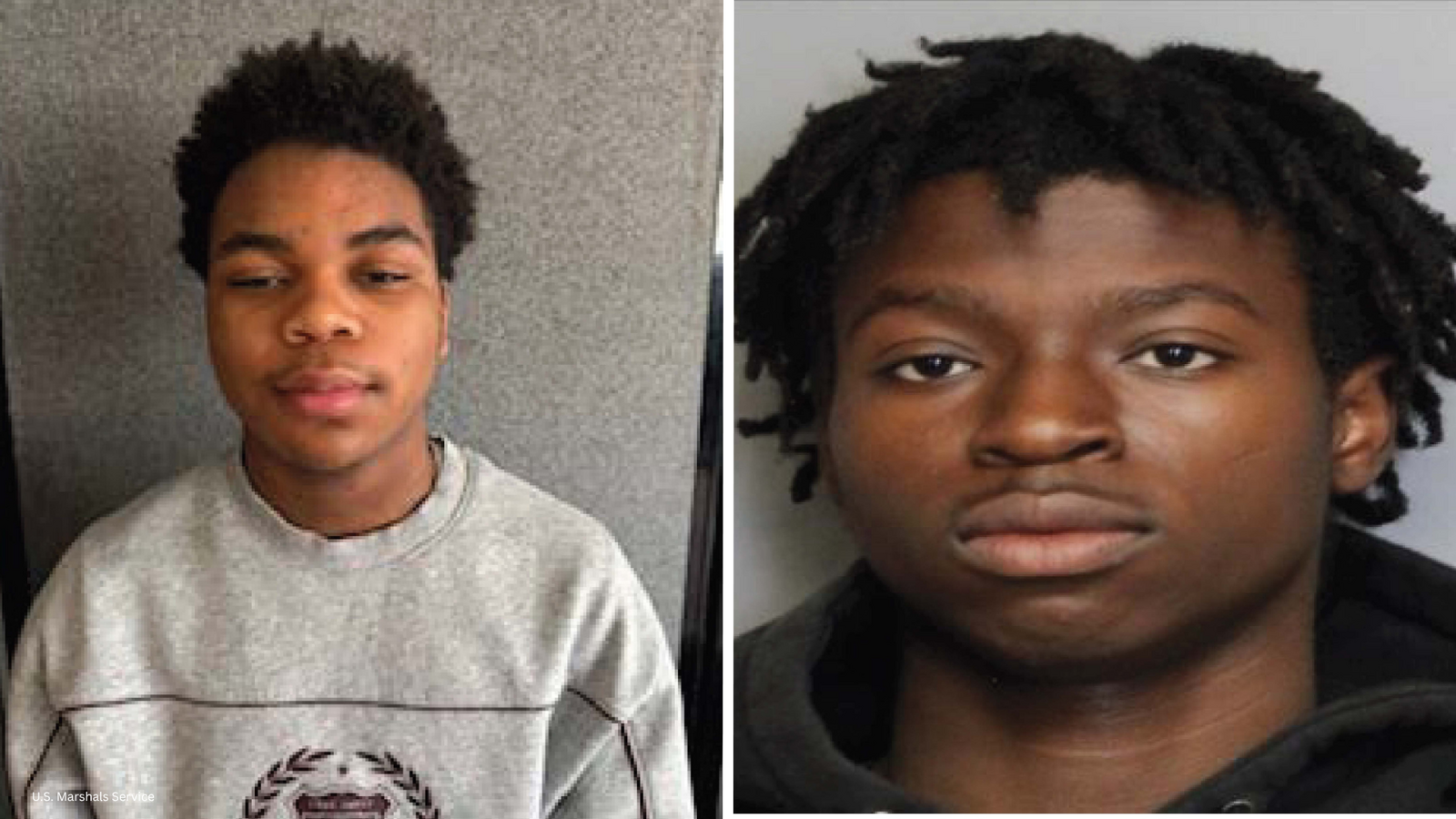
A tragic case that has gripped both Philadelphia and the Penn State community has reached a significant milestone in its pursuit of justice. The second teenage suspect allegedly involved in the penn state student murder of senior Billy Schmidt has now been taken into custody, bringing investigators one step closer to closure in a case that has sparked widespread outrage and grief.
Kaiseem Smith, a 16-year-old wanted in connection with the fatal shooting, surrendered to Philadelphia police on Thursday afternoon, according to the U.S. Marshals Service. His arrest follows the Wednesday night apprehension of co-suspect Azzubair Outen-Fleming, who was taken into custody in Colorado. Both teenagers now face murder charges in the killing of the 22-year-old Penn State student, who was gunned down just steps away from his family’s South Philadelphia home in early June.
The Night That Changed Everything
The events leading to Billy Schmidt’s death paint a heartbreaking picture of a young man whose life was cut short in an instant. On June 6, around 1:30 a.m., Schmidt was returning home after spending the evening at a nearby bar, where he had been watching an NBA Finals game with friends. The Penn State senior, described by family as a passionate sports fan and devoted student, was mere yards from his front door when tragedy struck.
According to authorities, the incident unfolded on the 1900 block of Durfor Street. Investigators allege that Schmidt was approached by two teenagers who stole his cellphone. Rather than allowing the theft to occur without consequence, Schmidt gave chase, attempting to retrieve his property. During the pursuit, one of the suspects turned and opened fire, striking the young student in the chest.
Emergency responders rushed to the scene, but Schmidt was pronounced dead a short time later. The senseless nature of the killing , a violent confrontation over a stolen phone , has left family, friends, and an entire university community searching for answers.
The Path to Justice: Multiple Arrests Across Two States
The investigation into the Penn State student murder case moved swiftly through multiple jurisdictions, reflecting the coordinated efforts of local, state, and federal authorities.
First Suspect Apprehended in Colorado
Azzubair Outen-Fleming, also 16 years old, became the first suspect in custody when he was arrested Wednesday night in Colorado. The cross-country arrest underscored the seriousness with which law enforcement approached the case and the willingness of authorities to pursue suspects across state lines. The U.S. Marshals Service played a critical role in tracking down the teenager, demonstrating the federal government’s commitment to ensuring that juvenile fugitives face accountability regardless of geography.
Second Suspect Surrenders
Just one day after Outen-Fleming’s capture, authorities closed the net tighter when Kaiseem Smith turned himself in to Philadelphia police. The U.S. Marshals Service credited the swift resolution to a combination of factors, including the tireless work of law enforcement partners, the vigilance of media outlets that kept the story in the public eye, and community members who provided valuable tips that helped track the suspects’ movements.
“The USMS thanks our law enforcement partners, media partners, and members of the public whose assistance helped bring these fugitives to justice,” the Marshals Service stated in a social media post following Smith’s surrender.
Who Was Billy Schmidt?
Billy Schmidt was more than a headline , he was a beloved member of his family and the Penn State community. As a senior at the prestigious university, Schmidt was on the cusp of graduation, preparing to transition into the next chapter of his life. His friends remember him as someone with an infectious personality, a love for sports, and deep loyalty to those around him.
Returning home to South Philadelphia, Schmidt had been spending time with friends during the NBA Finals, a routine night out that countless college students experience. That he was killed just yards from his family’s home has amplified the shock and grief surrounding his death. The proximity to safety , being so close to home yet falling victim to such sudden violence , underscores the vulnerability that cities face when violent crime touches even the most ordinary of moments.
Authorities Indicate Who Pulled the Trigger
Philadelphia District Attorney Larry Krasner has indicated that investigators believe Kaiseem Smith was the individual who fired the fatal shot. Both teenagers are facing murder charges, though the specific charges and potential outcomes will depend on how prosecutors proceed given the suspects’ ages. As minors, both defendants fall within Pennsylvania’s juvenile justice system, though the severity of the alleged crime could have significant implications for how their cases are handled.
The investigation has also extended beyond the two teenage suspects. U.S. Marshals previously arrested Outen-Fleming’s stepfather, 35-year-old Dante Abdul Malik, who now faces charges including hindering apprehension and tampering with evidence in connection with the case. Malik’s alleged involvement suggests that authorities believe efforts were made to conceal or assist the fugitives, complicating an already tragic narrative.
Community Reaction and Ongoing Concerns
The arrest of both suspects has provided a measure of relief to a community that has followed the case closely since June. However, the broader implications of this penn state student murder continue to resonate, raising important questions about urban violence, juvenile crime, and the challenges that families face when sending their children off to college in nearby cities.
A Family’s Heartbreak
Schmidt’s family has been vocal about the devastating impact of their loss, describing a young man who had his entire future ahead of him. The family’s grief highlights the unique pain experienced by families of young adult children whose lives are cut short through violence , individuals who are often pursuing education, careers, and personal milestones when tragedy intervenes.
Broader Safety Concerns
The case has also reignited conversations about safety in urban neighborhoods near major universities. While Penn State itself is located in State College, Pennsylvania, students from the university frequently travel to and from Philadelphia, where many maintain family connections. Schmidt’s decision to return home for a summer break ended in tragedy, prompting questions about how communities can better protect young adults who traverse between campus life and urban environments.
What Happens Next in the Case?
With both suspects now in custody, the legal proceedings are poised to unfold in the coming weeks and months. Prosecutors will work to build their case, presenting evidence collected by Philadelphia police, the U.S. Marshals Service, and collaborating agencies. Given the suspects’ ages, the proceedings may take place within the juvenile justice system, though Pennsylvania law does allow for the transfer of serious cases to adult court under certain circumstances.
The charges of murder carry severe consequences, even for minors. Investigators have built what appears to be a compelling case, with evidence suggesting that the suspects’ alleged theft of Schmidt’s cellphone directly precipitated the fatal confrontation. The decision by Schmidt to pursue the suspects , an instinctive response to having his property stolen , ultimately cost him his life, a detail that adds another layer of sorrow to an already heartbreaking case.
Dante Abdul Malik’s separate charges of hindering apprehension and tampering with evidence introduce additional complexity to the proceedings. Prosecutors will need to establish his alleged role in attempting to obstruct the investigation, which could result in additional legal consequences for the family.
Conclusion: A Community Seeking Closure
The arrest of both teenage suspects in the penn state student murder of Billy Schmidt represents a significant chapter in a case that has unsettled communities across Pennsylvania. While the arrests mark progress toward accountability, they cannot undo the loss suffered by Schmidt’s family and friends. As legal proceedings move forward, the hope is that justice will be served in a manner that honors Schmidt’s memory and provides some measure of closure to those who loved him.
Billy Schmidt’s story serves as a sobering reminder of how quickly violence can upend lives, and how a single moment , in this case, a stolen cellphone , can escalate with devastating consequences. As the Penn State community and Schmidt’s loved ones continue to grieve, the work of law enforcement and prosecutors offers a path forward, ensuring that those allegedly responsible face the full weight of the justice system.