
When an anonymous tip made its way through a school shooting prevention system in early February 2025, it set in motion a remarkable chain of events that may have saved countless lives. An 18-year-old student was arrested before carrying out a planned Valentine’s Day attack at an Indiana high school, thanks to a friend who recognized the warning signs and picked up the phone. This incident serves as one of the most striking examples yet of how early intervention, anonymous reporting systems, and coordinated law enforcement can stop tragedy before it begins.
The Tip That Changed Everything
The journey began on a Monday when someone reached out to the Say Something Anonymous Reporting System, a crisis hotline operated by the nonprofit Sandy Hook Promise. The caller revealed that a friend had access to an AR-15 rifle, had recently ordered a bulletproof vest, and expressed admiration for Nikolas Cruz, the gunman responsible for the 2018 massacre at Marjory Stoneman Douglas High School in Parkland, Florida.
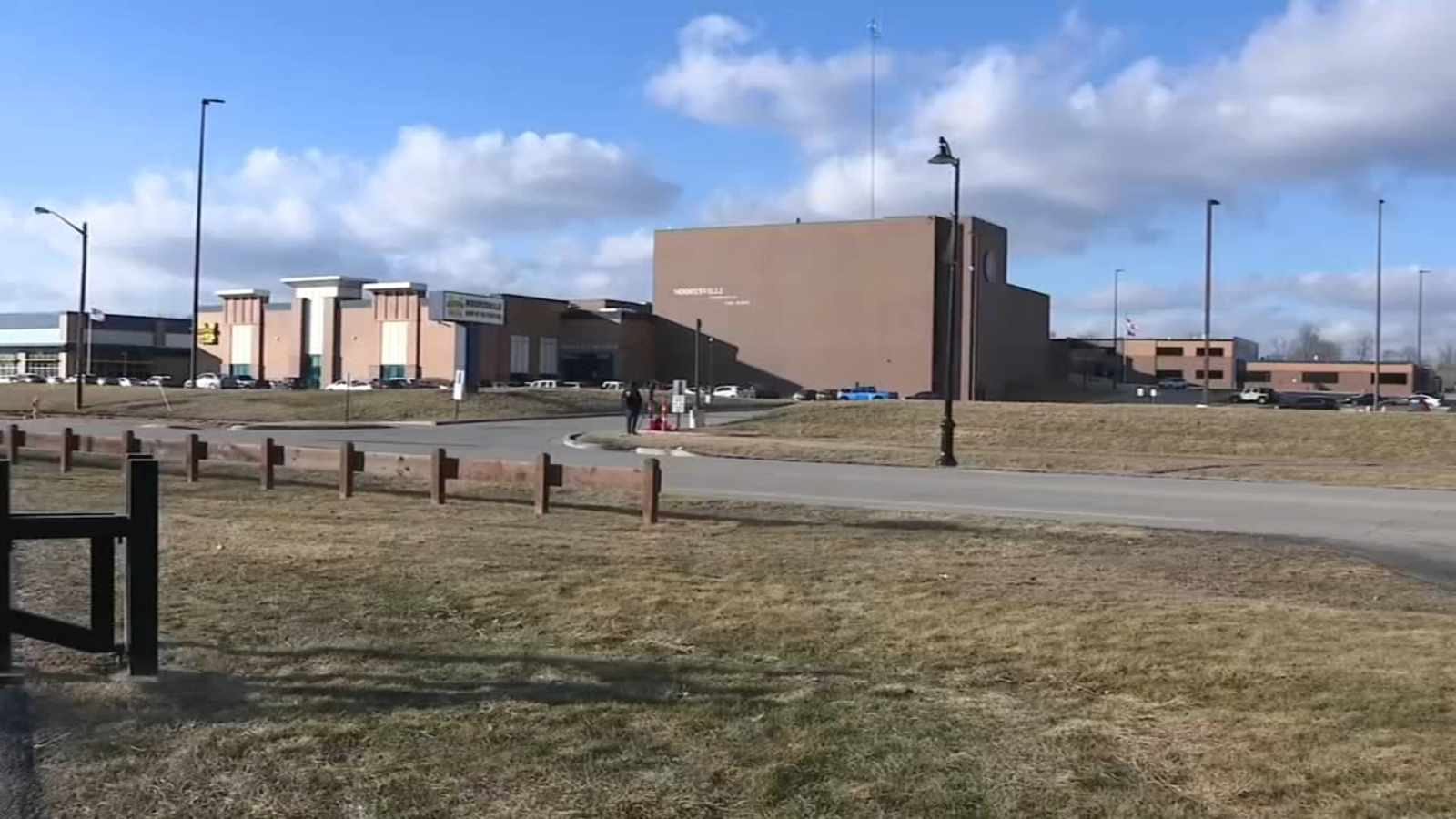
That single call triggered a rapid, multi-state response. Crisis counselors reviewed the submitted information and followed established protocols by notifying the FBI, sharing screenshots of conversations that allegedly took place on the messaging platform Discord. From there, the investigation bounced between agencies in Wisconsin and Indiana before detectives narrowed in on the actual suspect: Trinity “Jamie” Shockley, a student at Mooresville High School in Morgan County, Indiana.
How the Multi-Agency Response Unfolded
The coordination between agencies was impressive in both speed and scope. Initially, investigators believed the threats originated in Wisconsin after the FBI passed the tip to the Wisconsin Department of Justice. Detectives with the Washington County Sheriff’s Office quickly determined that a Wisconsin woman initially suspected was not the actual threat, though she had allegedly been in contact with Shockley through online chat groups focused on school shooters.
Once detectives cleared the Wisconsin lead, they coached the original tipster, who remained in real-time communication with Shockley, to retrieve a phone number. That crucial piece of information helped authorities confirm the suspect was located in Indiana, and the information was shared with the FBI’s Indianapolis field office.
Building the Case: Evidence and Arrest
As investigators gathered more information, the picture grew increasingly alarming. The tipster provided law enforcement with screenshots of disturbing conversations, photographs of weapons and magazines, images of a tactical vest, and even snapshots of Shockley’s bedroom, which was reportedly covered with photos of past school shooters.
The arrest affidavit detailed a particularly chilling development: on Tuesday, Shockley spoke with a school counselor at the end of the school day and openly expressed an “obsession” with and sexual attraction to Cruz. The counselor immediately alerted school administrators, and officials began scheduling a proactive response plan before the next school day even arrived.
Charges and Legal Proceedings
By Wednesday, police had executed a search warrant at Shockley’s home. The suspect was arrested and transported to the Morgan County Jail, where they awaited a bond hearing scheduled for the following Tuesday at 8 a.m. Shockley faces serious charges, including conspiracy to commit murder and two terrorism-related counts.
According to Morgan County’s chief deputy prosecutor, Cassie Mellady, Shockley had retained legal counsel. The transgender defendant, charged under the name Trinity but known by the name Jamie, has prompted questions about pronouns that court records have not definitively clarified.
The Power of Anonymous Reporting
The Say Something Anonymous Reporting System is a 24/7 crisis center staffed by trained counselors who review tips submitted by phone, online, or through a mobile app. Sandy Hook Promise created the program specifically so that young people and community members could submit secure, anonymous safety concerns about individuals who might harm themselves or others.
The types of behaviors the system encourages people to report include:
- Acts of violence, whether involving weapons or not
- Bragging about weapons or a planned attack
- Threats spotted on social media
- Expressions of intent to harm oneself or others
- Sudden and dramatic changes in behavior or mood
Once a tip arrives, a trained crisis counselor evaluates the information and determines the appropriate next steps, which often involves notifying law enforcement when the threat appears credible.
A Proven Track Record of Saved Lives
Since its founding, the anonymous reporting system has received more than 287,000 tips, according to Sandy Hook Promise spokesperson Nick Dmitrovich. Of those, the organization credits the program with averting at least 17 credible planned school attacks, along with countless other acts of violence, suicide attempts, and self-harm situations.
What qualifies as a “prevented” attack? Sandy Hook Promise explains that the determination involves assessing the original source of the information, confirming that law enforcement verified the threat as credible, and ensuring there was both access to weapons and a concrete plan in place.
The program’s impact extends beyond thwarted attacks. A study published in the journal Pediatrics and funded by the Chaiken Foundation and the U.S. Centers for Disease Control and Prevention found that the anonymous reporting system has helped prevent numerous suicide attempts, adding another layer of importance to these early intervention tools.
The Human Cost and the Hope Behind Prevention
For Nicole Hockley, co-founder and co-CEO of Sandy Hook Promise, the Mooresville case carries deeply personal meaning. Her son was among the 20 first-graders killed at Sandy Hook Elementary School in December 2012. She described the day of Shockley’s arrest as “bittersweet,” noting that it fell on the seven-year anniversary of the Parkland shooting.
“This story illustrates the lifesaving impact of recognizing warning signs, taking it seriously, and acting immediately to get help. It only takes one person to ‘say something’ for lives to be saved. Threats are never a joke.” , Nicole Hockley, Sandy Hook Promise co-founder
Mooresville Schools Superintendent Jake Allen echoed that gratitude, releasing a statement praising the swift actions of law enforcement at the local, state, and federal levels. His words underscored what could have been a tragic outcome had the tip not been taken seriously and acted upon with urgency.
Lessons in Recognizing Warning Signs
The Mooresville case highlights how school shooting prevention rarely depends on a single heroic figure. Instead, it relies on layers of awareness: a friend who noticed disturbing behavior and made the call, counselors trained to recognize concerning disclosures, crisis counselors who knew how to escalate credible threats, and law enforcement agencies prepared to coordinate across state lines on short notice.
Experts in violence prevention often emphasize that most attackers exhibit warning signs before they act. These can include:
- Direct or indirect threats communicated in writing or verbally
- Fixation on previous attackers or violent ideologies
- Acquisition of weapons, tactical gear, or attack materials
- Expressions of hopelessness, rage, or desire for notoriety
- Dramatic changes in behavior, friends, or appearance
When community members learn to recognize these patterns and feel empowered to report them without fear of retaliation, the safety net around schools grows stronger.
The Role of Mental Health and Student Wellness
Beyond the immediate law enforcement response, this incident also illustrates the importance of mental health support in school settings. The fact that Shockley felt comfortable enough to discuss these thoughts with a school counselor suggests that trusted adults within educational institutions can play a critical role in identifying at-risk individuals.
Comprehensive student wellness programs that include counseling services, mental health screenings, and clear pathways for reporting concerns create environments where students like Shockley might feel safe seeking help before reaching a crisis point. While no one program can prevent every tragedy, layered approaches combining mental health support, anonymous reporting, and community vigilance have repeatedly proven their worth.
Looking Ahead: Building Safer Communities
The prevention of a Valentine’s Day attack in Indiana offers a powerful reminder that school shooting prevention is possible when communities invest in the right infrastructure. Sandy Hook Promise’s reporting system represents one of the most successful models of threat assessment and early intervention in the country, and its continued growth suggests that more schools and families are recognizing the value of these resources.
For parents, educators, and students, the Mooresville story carries an essential message: notice the warning signs, take them seriously, and act. Whether that means making an anonymous call, talking to a trusted adult, or simply paying attention to concerning changes in a friend’s behavior, each action matters. The lives saved in Indiana this past February are proof that vigilance, paired with accessible reporting systems, can stop unthinkable violence before it starts.
Ultimately, effective violence prevention isn’t about one agency, one program, or one heroic act. It’s about a community that refuses to look the other way when something feels wrong. As Nicole Hockley and countless other advocates have learned through devastating personal loss, the smallest voice saying something can be the loudest force for good.