
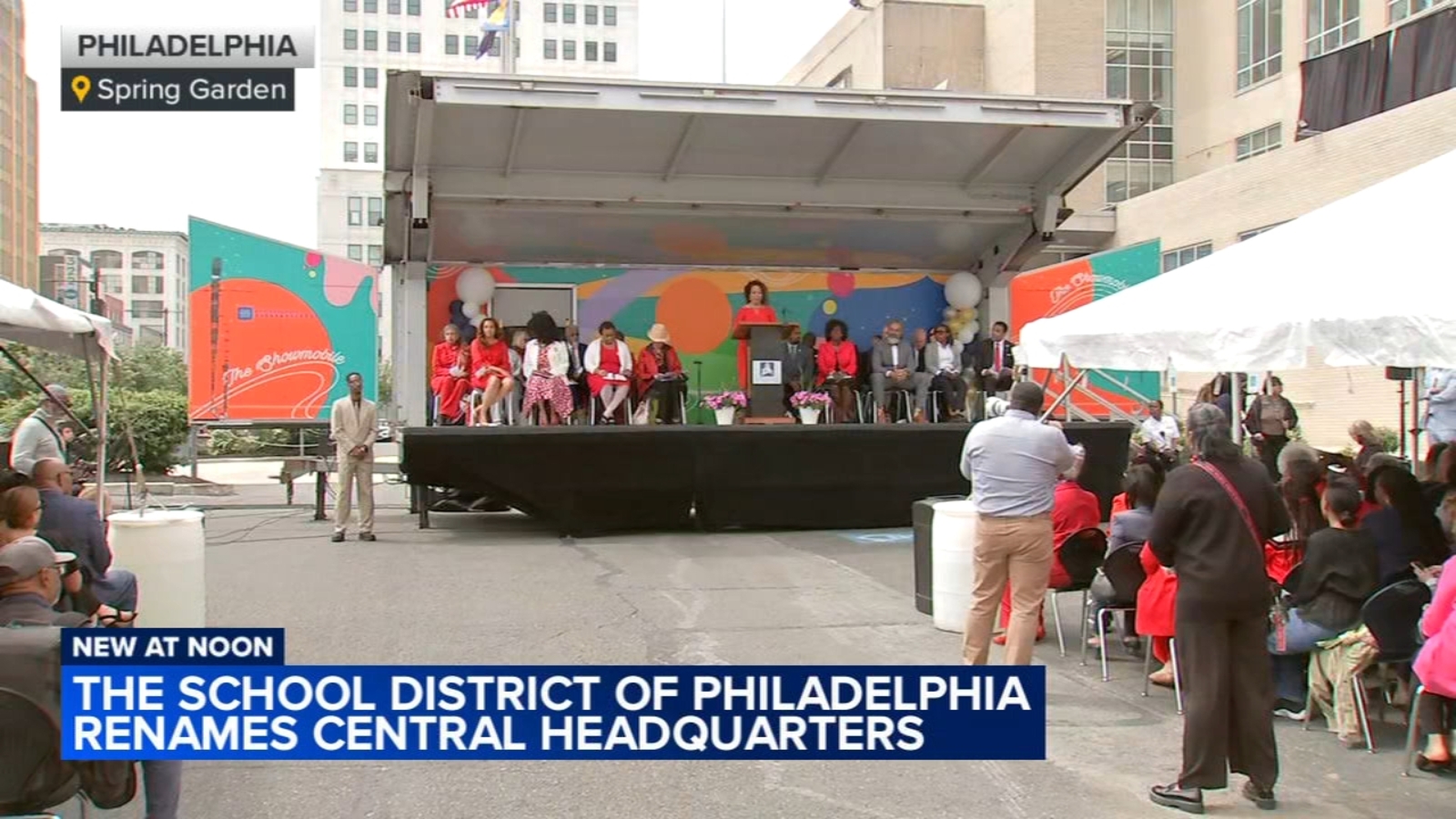
The School District of Philadelphia has renamed its school district headquarters in honor of Dr. Constance E. Clayton, a historic educator whose leadership helped shape the district and expand opportunities for students. The North Broad Street building is now officially known as the Dr. Constance E. Clayton Education Center, creating a lasting public tribute to the district’s first African American female superintendent.
District officials, students, and invited guests gathered for a ceremony recognizing the new name. The celebration also included a student performance, allowing young people to play an active role in honoring a leader whose career was closely connected to Philadelphia’s public schools.
A Meaningful Honor for a Trailblazing Educator
Dr. Clayton’s selection for this distinction goes beyond recognizing one person’s career. It acknowledges a leadership journey that challenged barriers and influenced the direction of a major urban school system. As the first African American woman to serve as superintendent of the School District of Philadelphia, she entered a role with enormous responsibility and set an important precedent for those who followed.
Her leadership was characterized by officials as direct, disciplined, and firmly centered on students. That “no-nonsense” approach, as described in the announcement of the honor, reflected a belief that strong educational institutions must remain focused on teaching, learning, accountability, and the needs of young people.
Placing her name on the district’s main office building ensures that her contributions will remain visible to employees, families, visitors, and students. It also connects the everyday work of the district with the legacy of a leader who helped advance public education in Philadelphia.
A New Name on North Broad Street
The renamed facility is located on North Broad Street in Philadelphia’s Spring Garden section. Its official designation is the Dr. Constance E. Clayton Education Center. Because central administrative offices often serve as a symbolic home for an entire school system, the decision carries significance beyond a change in signage.
Every day, educators, administrators, families, community partners, and students may pass through a building associated with Dr. Clayton’s educational leadership. The name can serve as a reminder that decisions made at the district level affect classrooms throughout Philadelphia and that public education requires both courage and consistency.
The headquarters is also a practical center of district operations. Naming such a visible facility after a former superintendent highlights the importance of the superintendent’s role while recognizing that effective leadership is always broader than one individual. Successful schools depend on teachers, support staff, families, students, elected officials, and community organizations working together.
Students Take Part in the Celebration
A student performance added energy and meaning to the renaming ceremony. Student participation is especially fitting because Dr. Clayton was known for her strong advocacy on behalf of young people. The event therefore became more than an administrative announcement: it became a community celebration grounded in the experiences and voices of students.
Ceremonies like this can help students understand the history of public education in their city. They also provide an opportunity to introduce a new generation to leaders whose work may not appear in standard classroom materials. When students see public spaces named after educators who broke barriers, they gain a clearer picture of leadership, persistence, and public service.
The performance may also have offered participants a chance to express what educational leadership should represent. Whether through music, theater, dance, or spoken word, student contributions emphasize that decisions made by district leaders ultimately belong to the school communities they serve.
Why the Recognition Matters
Representation within educational leadership can have a powerful effect. Dr. Clayton’s appointment as the School District of Philadelphia’s first African American female superintendent demonstrated that women and leaders of color could guide one of the nation’s largest urban public school systems. Her legacy continues to offer inspiration to aspiring superintendents, principals, teachers, and advocates.
The recognition also matters because it preserves institutional memory. School districts frequently discuss the future, but progress is easier to understand when communities remember the people who helped shape prior eras. Naming the headquarters after Dr. Clayton creates a permanent connection between Philadelphia’s educational history and its ongoing work.
- Historical recognition: The new name honors the first African American woman to lead the district as superintendent.
- Visible representation: The designation highlights the importance of diverse leadership in public education.
- Student focus: The ceremony reinforced Dr. Clayton’s reputation as a forceful advocate for students.
- Institutional memory: The building will continue to tell the story of Philadelphia’s educational leadership.
- Community pride: Students, educators, and residents can celebrate a significant figure from the district’s history.
A Name Is Only the Beginning
While renaming a prominent facility is a meaningful gesture, its greatest value may come from the conversations and commitments it inspires. School leaders can use Dr. Clayton’s example to encourage discussions about educational equity, student advocacy, administrative accountability, and the role of women and people of color in positions of influence.
For students, the honor can become a starting point for research into Philadelphia’s public school history. For educators, it can prompt reflection on the qualities required to lead through difficult circumstances. For district officials, it can serve as a reminder that policy decisions should remain connected to the daily realities faced by students and school communities.
Questions for the School Community to Consider
- How can Philadelphia’s educational history be incorporated more fully into classroom learning?
- What lessons can current school leaders draw from Dr. Clayton’s direct and student-centered leadership style?
- How can districts ensure that commemorations lead to sustained action rather than temporary celebration?
- What more can be done to prepare and support diverse education leaders?
- How can students participate in conversations about the future of their schools?
Looking Ahead From the Clayton Education Center
The new name provides an opportunity to reflect on the past while keeping attention on the future. Philadelphia’s public schools continue to serve a diverse population, and the challenges facing education require thoughtful planning, strong community partnerships, and an unwavering commitment to students. Dr. Clayton’s legacy can help frame that work around persistence, accountability, and advocacy.
It is also important to recognize that a dedication ceremony represents a collective achievement. The student performance and gathering of district officials show how a tribute can bring a school community together. Such moments remind residents that the history of public education is not created solely inside administrative offices; it is shaped in classrooms, auditoriums, homes, and neighborhoods across the city.
The renaming of the headquarters on North Broad Street is therefore both a historical honor and a public promise. By naming the building the Dr. Constance E. Clayton Education Center, the School District of Philadelphia preserves the memory of a trailblazing superintendent while keeping her example visible to future generations of students and educational leaders.
Conclusion
The School District of Philadelphia’s headquarters now carries the name of a leader who broke barriers, advocated for students, and helped define an important chapter in the city’s educational history. The Dr. Constance E. Clayton Education Center stands as more than an administrative address. It is a symbol of perseverance, representation, and the continuing importance of student-focused leadership. For the Philadelphia school community, the new name offers a lasting reason to celebrate the past while recommitting to the future of public education.