
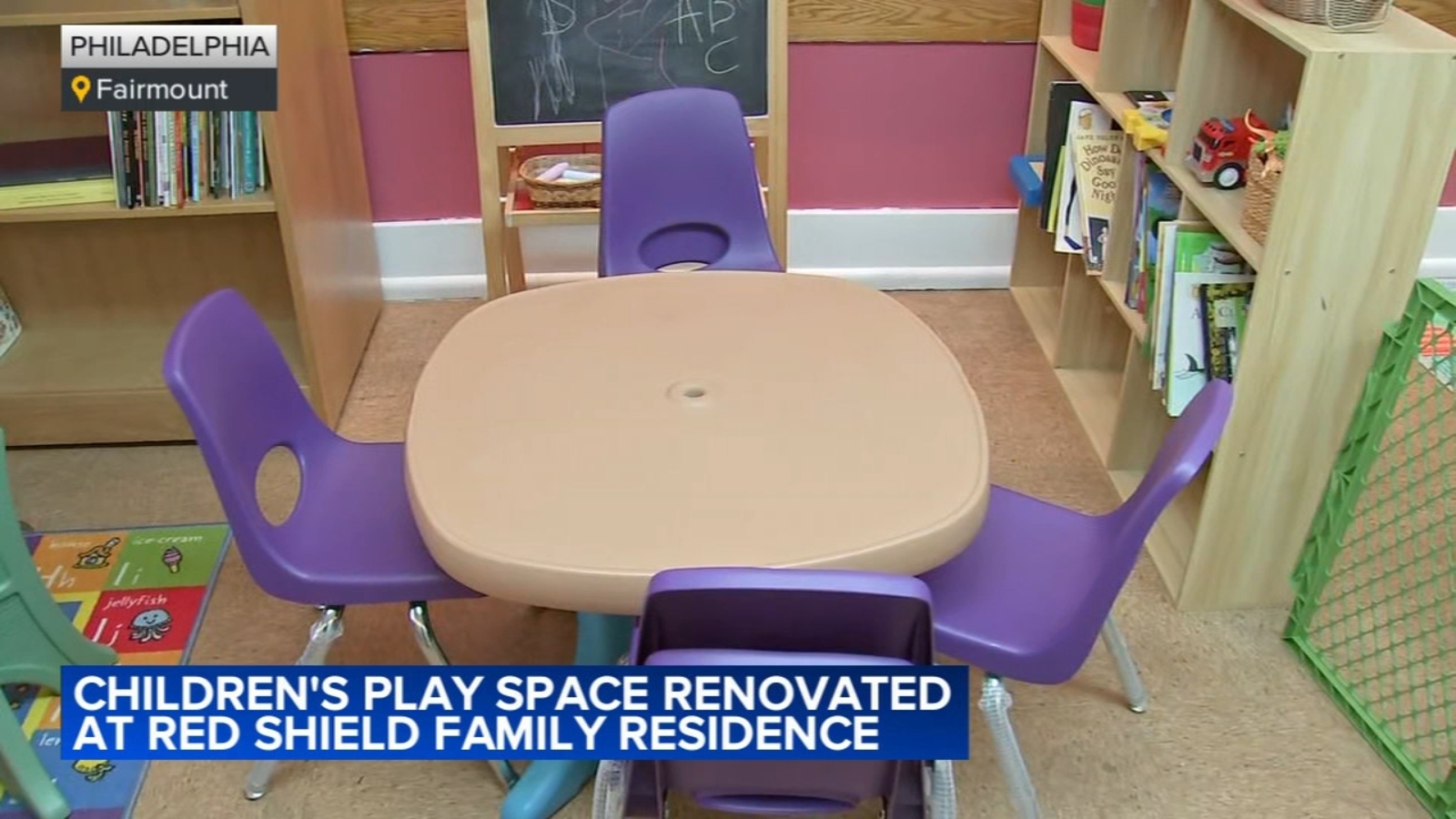
A Salvation Army play space renovation in Philadelphia is changing the lives of children experiencing homelessness, providing them with a safe, engaging environment designed for learning, growth, and joy. The recently completed renovations at the Red Shield Family Residence on North Broad Street represent a meaningful investment in the well-being of vulnerable families served by one of the city’s most important emergency housing shelters.
When families face the uncertainty of homelessness, children often bear the heaviest emotional toll. A thoughtfully designed play space offers more than entertainment , it creates a sense of normalcy, encourages developmental milestones, and provides a sanctuary where kids can simply be kids. The Salvation Army’s commitment to enhancing this space demonstrates a deep understanding of what children need during challenging times.
A New Chapter for the Red Shield Family Residence
The Red Shield Family Residence serves as a critical emergency housing shelter for families experiencing homelessness in North Philadelphia. For years, the facility has provided safe lodging, meals, and supportive services to parents and children navigating some of the most difficult circumstances imaginable. The recent play space renovation marks a transformative moment in the residence’s mission to serve families holistically.
The updated play area is designed to meet children where they are , offering age-appropriate activities, sensory experiences, and opportunities for social interaction. In a shelter setting, where stress and uncertainty are constants, having a dedicated space where children can play freely is invaluable. The renovation reflects an evolving understanding of emergency shelter design, one that prioritizes not just basic needs but also the emotional and developmental needs of young residents.
Why Play Spaces Matter in Emergency Shelters
Child development experts have long recognized the critical role that play plays in early childhood growth. Through play, children develop motor skills, language abilities, problem-solving capabilities, and social competencies. For children experiencing homelessness, these developmental opportunities can be severely disrupted.
A well-designed Salvation Army play space renovation addresses several key concerns:
- Emotional regulation: Play helps children process complex emotions and reduce anxiety during stressful transitions.
- Physical development: Active play supports healthy growth, coordination, and physical fitness.
- Social skills: Shared play areas teach children how to interact, cooperate, and build relationships with peers.
- Cognitive growth: Problem-solving toys and interactive elements stimulate brain development.
- Sense of normalcy: A familiar play environment provides comfort and routine amid instability.
For families staying at the Red Shield Family Residence, the renovated play space signals something powerful: their children’s happiness and development matter, even during the hardest chapters of their lives.
A Collaborative Community Effort
The Salvation Army play space renovation was made possible through a remarkable collaboration between multiple organizations committed to child welfare and community support. Each partner brought unique expertise and resources to the project, creating a result far greater than what any single organization could have achieved alone.
The William Penn Foundation
The William Penn Foundation has long been one of Philadelphia’s most influential philanthropic organizations, focusing on improving the quality of life for residents across the region. Their investment in the play space renovation reflects a growing recognition that early childhood experiences lay the foundation for lifelong outcomes. By supporting projects that create enriching environments for young children, the foundation helps ensure that Philadelphia’s most vulnerable kids have access to the developmental opportunities they deserve.
HOPEPHL
HOPEPHL is a Philadelphia-based nonprofit organization dedicated to ending homelessness through advocacy, education, and direct service. Their involvement in the renovation underscores the importance of community-driven solutions to the housing crisis. By partnering with the Salvation Army, HOPEPHL helps bridge the gap between emergency shelter services and long-term stability for families in need.
Playful Learning Landscapes
Playful Learning Landscapes is a national initiative that transforms everyday spaces into opportunities for learning through play. Their research-backed approach combines child development science with creative design, producing environments that engage children’s natural curiosity and promote active learning. Their contribution to the renovation ensured that the play space wasn’t just visually appealing but also intentionally designed to support developmental milestones.
Temple University
Temple University’s involvement brings academic rigor and research expertise to the project. As a major Philadelphia institution, Temple has consistently demonstrated commitment to community engagement and addressing urban challenges. Their participation likely included research support, design consultation, and ongoing evaluation of how the renovated space impacts children’s well-being and development.
The Broader Impact on Philadelphia Families
Philadelphia continues to face significant challenges related to family homelessness. Economic inequality, housing affordability, and systemic barriers mean that thousands of children in the region experience housing instability each year. Emergency shelters like the Red Shield Family Residence play a vital role in keeping families safe during crises, but they also need resources to provide truly supportive environments.
The Salvation Army play space renovation sends an important message to the community: investing in children’s experiences within shelters isn’t a luxury , it’s a necessity. When children have access to quality play environments, they’re better equipped to handle the emotional challenges of displacement. They’re also more likely to enter school ready to learn, having had opportunities to practice the foundational skills they’ll need in classroom settings.
Building Resilience Through Design
Environmental design plays a powerful role in shaping how children experience the world around them. Bright colors, varied textures, interactive elements, and safe climbing structures all contribute to a sense of wonder and possibility. For children who may have experienced trauma or disruption, a thoughtfully designed play space can become a source of healing and joy.
The renovation likely incorporates several design principles known to support children’s well-being:
- Sensory-rich environments: Elements that engage sight, sound, touch, and movement.
- Inclusive design: Features accessible to children of all abilities and developmental stages.
- Safety-first approach: Soft surfaces, rounded edges, and secure boundaries.
- Imaginative play zones: Areas that encourage creativity, storytelling, and role-playing.
A Model for Other Communities
The collaboration behind this renovation serves as a powerful model for other cities and organizations seeking to improve services for families experiencing homelessness. By combining the operational capacity of the Salvation Army with the philanthropic resources of the William Penn Foundation, the advocacy work of HOPEPHL, the design expertise of Playful Learning Landscapes, and the research capabilities of Temple University, the project demonstrates what becomes possible when diverse stakeholders unite around a common goal.
This kind of cross-sector partnership is increasingly recognized as essential for addressing complex social challenges. No single organization can solve family homelessness alone, but together, groups with different strengths can create lasting change. The renovated play space is tangible proof of that collective impact.
Looking Ahead
As the Red Shield Family Residence opens its renovated play space to the children it serves, the broader community has reason to celebrate. This project represents hope, investment, and a commitment to treating every child with dignity , regardless of their housing situation.
For families walking through the doors of the shelter, the updated play area offers something priceless: a space where their children can laugh, explore, and grow. In the midst of uncertainty, that gift of normalcy and joy cannot be overstated.
The Salvation Army play space renovation in Philadelphia stands as a testament to what communities can accomplish when they prioritize the needs of children. It also reminds us that supporting families experiencing homelessness requires more than just meeting basic needs , it requires creating environments where children can thrive, learn, and experience the simple joys of childhood.
Through continued collaboration, advocacy, and investment, Philadelphia can build on this success and ensure that every child in the city , regardless of their family’s housing situation , has access to spaces that nurture their development and honor their potential. The renovation at the Red Shield Family Residence is not just an improvement to a building; it’s an investment in the future of Philadelphia’s children and a powerful example of community-driven change.