
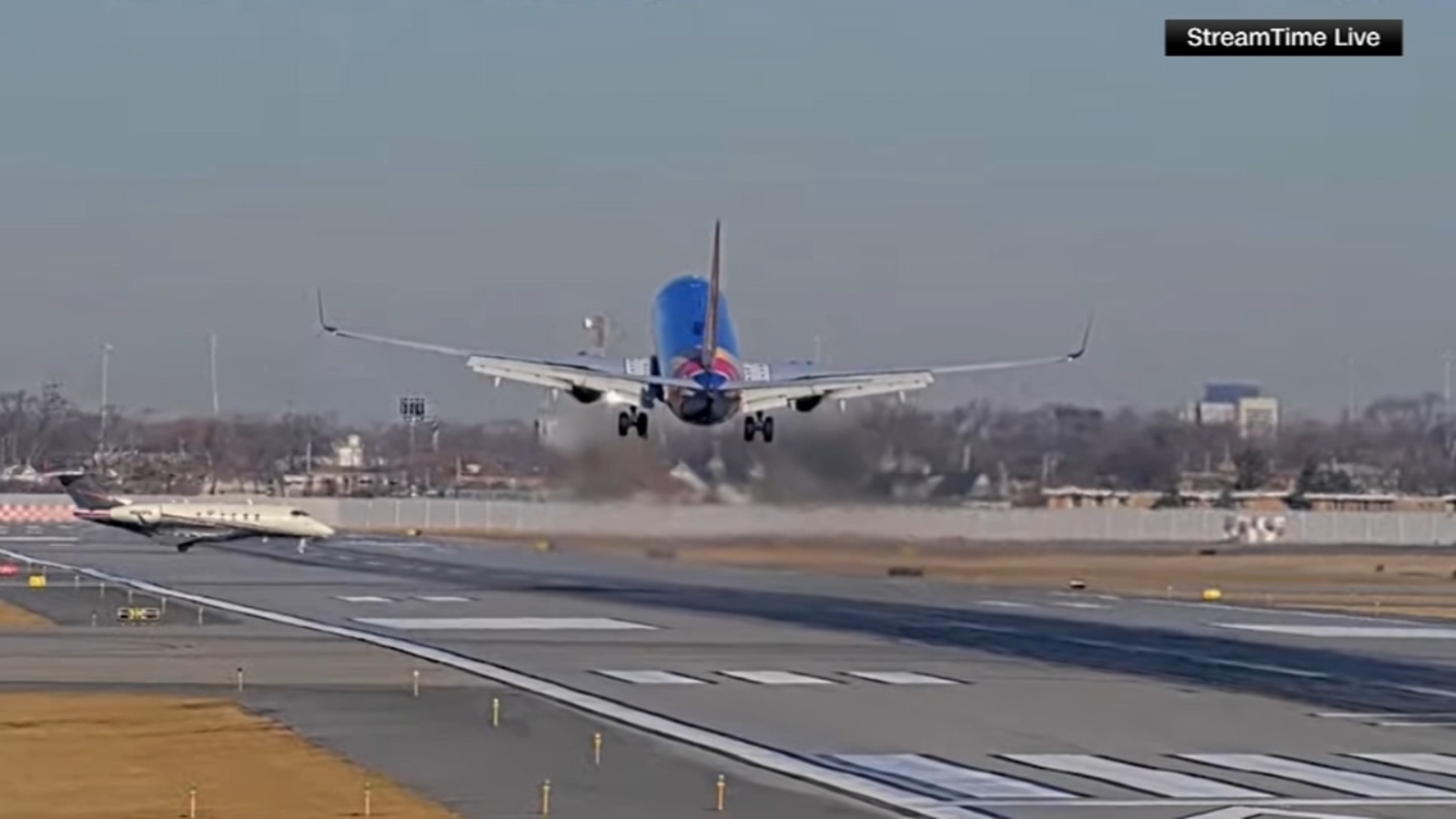
A runway incursion at Chicago Midway International Airport recently thrust aviation safety into the national spotlight when Southwest Flight 2504 was forced to execute an emergency maneuver to avoid a business jet that had crossed onto an active runway without clearance. The incident, which occurred on a Tuesday morning, ended without injury or damage, but it has sparked fresh conversations about airport ground safety protocols, pilot training, and the critical role of air traffic controllers in preventing catastrophic collisions.
What Happened on Runway 31 Center
Southwest Airlines Flight 2504 was completing its final approach into Chicago Midway after departing from Omaha, Nebraska. According to the Federal Aviation Administration, a business jet operated by Flexjet entered the runway without authorization, placing it directly in the path of the incoming Southwest aircraft. Air traffic controllers could be heard on recorded communications urgently instructing the Flexjet pilot to hold short of the runway and not cross, but those instructions were not followed.
One transmission captured controllers telling the Flexjet pilot, “Your instructions were to hold short of runway 31 center.” Despite these repeated warnings, the aircraft proceeded onto the active surface. With collision seemingly imminent, the Southwest flight crew made the split-second decision to perform a go-around procedure, aborting the landing and climbing back into the sky to circle the airport for another approach.
Flight tracking data from FlightRadar24 indicated that approximately 2,050 feet separated the two aircraft at the moment the Southwest pilots initiated their evasive climb. In aviation terms, that distance is alarmingly small, especially when both planes are operating in close proximity at low altitude.
Understanding Runway Incursions: A Persistent Safety Challenge
A runway incursion is defined as any event involving the incorrect presence of an aircraft, vehicle, or person on the protected area of a surface designated for the landing and takeoff of aircraft. The FAA classifies these events into several categories based on severity, ranging from minor misunderstandings between pilots and controllers to situations where a collision is narrowly avoided.
Incursions can occur for a variety of reasons:
- Pilot deviation: When a pilot crosses a runway holding position without clearance from air traffic control.
- Operational error: When air traffic controllers issue incorrect instructions or fail to provide adequate separation.
- Vehicle or pedestrian deviation: When ground vehicles or personnel enter a runway area without proper clearance.
- System failure: When ground-based equipment used to monitor runway activity malfunctions.
According to FAA safety data, runway incursions remain one of the most pressing concerns in commercial aviation safety. Even one incident is considered too many, because the consequences of a high-speed collision between aircraft can be catastrophic.
The Critical Go-Around: A Pilot’s Most Important Decision
The maneuver executed by the Southwest crew is formally known as a rejected landing or go-around, and it represents one of the most important safety procedures in modern aviation. Rather than attempting to land in an unsafe situation, pilots are trained throughout their careers to prioritize safety over schedule, climbing away from the runway to assess conditions and attempt another approach.
Aviation experts consistently emphasize that the decision to go around should never be viewed as a failure. On the contrary, it demonstrates sound judgment, discipline, and adherence to the highest safety standards. The Southwest pilots’ quick thinking during this near-miss incident likely prevented what could have become a tragedy.
Passengers aboard Flight 2504 reported that the cabin atmosphere remained remarkably calm throughout the ordeal. According to interviews with travelers Caley Maszk and Emily Novak, who were heading to Dallas, the flight crew communicated clearly about the situation without causing panic.
Passenger Reactions: Calm Above, Shock Below
Perhaps the most striking detail of this event is that many of the 100-plus passengers on board had no idea anything unusual had occurred until after they reached their final destination. Maszk and Novak told local reporters that they only learned about the severity of the situation when they saw video footage upon landing in Dallas.
“I don’t think anybody knew,” Maszk explained. “It was just so calm and like a normal day.”
She recalled that after the go-around, the pilot addressed the cabin to explain that there had been another aircraft on the tarmac and that they needed to loop around for about ten minutes before attempting another landing. Her friend Novak praised the crew’s professionalism in keeping everyone composed.
“Things happen, and that’s what the pilots are trained for,” Novak said. “They’re trained to react in bad situations, and they did just that in a very good way.”
After watching the dramatic video, Maszk expressed both shock and gratitude. “We were also very thankful, because it looked like it was very close. If I could hug the pilot right now, I probably would.”
Airline and Operator Response
Both Southwest Airlines and Flexjet issued statements following the runway incursion. Southwest emphasized that the aircraft landed safely and that the situation was handled according to established safety protocols. The airline reiterated that “nothing is more important to Southwest than the Safety of our Customers and Employees.”
Flexjet, the private aviation company operating the business jet, confirmed that it is conducting a thorough internal investigation. A company spokesperson stated that Flexjet “adheres to the highest safety standards” and pledged that “any action to rectify and ensure the highest safety standards will be taken.”
The response from both carriers underscores how seriously the aviation industry treats even near-collisions. Even when no one is injured and no aircraft is damaged, every incursion triggers reviews of communication, procedures, and decision-making at every level.
FAA and NTSB Investigations Underway
The Federal Aviation Administration and the National Transportation Safety Board have both launched investigations into the Chicago Midway incident. These agencies are responsible for determining the root cause of the incursion, evaluating whether proper procedures were followed, and recommending any necessary changes to prevent similar events in the future.
The NTSB typically issues a preliminary report within weeks of an incident, followed by a more detailed final report that may take months or even years to complete. Investigators will analyze:
- Air traffic control communications from the moments leading up to the incursion.
- Flight data and cockpit voice recordings from both aircraft.
- Airport surface detection systems and whether they functioned properly.
- Crew qualifications, training records, and duty hours for both flight crews.
- Airport layout, signage, and lighting at the time of the incident.
The findings could influence future aviation safety regulations, pilot training requirements, or even airport infrastructure improvements at busy mid-sized hubs like Midway.
The Bigger Picture: Why Runway Safety Matters
Incidents like the one at Chicago Midway serve as powerful reminders that aviation safety is not a destination but a continuous journey. The commercial aviation industry has made extraordinary strides in reducing accidents over the past several decades, but the ground environment around airports remains a complex and high-risk arena where humans, machines, and procedures must work together flawlessly.
Technology continues to evolve to address these risks. Tools like ASDE-X (Airport Surface Detection Equipment) and runway status lights are designed to alert pilots and vehicle operators when they are approaching or entering an active runway without clearance. However, technology alone cannot eliminate risk. Effective air traffic control, rigorous pilot training, clear communication, and a robust safety culture within every aviation organization remain essential.
Lessons From a Close Call
The Southwest Flight 2504 incident will likely become a teaching case for aspiring pilots, air traffic controllers, and aviation safety professionals. It illustrates several important principles:
- Vigilance saves lives: The Southwest crew’s alertness and willingness to abandon a landing at the last possible moment prevented disaster.
- Clear communication is non-negotiable: Confusion or failure to follow instructions on the ground can have deadly consequences in the air.
- Passengers trust professionals: The calm atmosphere aboard the aircraft demonstrates how effective crew resource management reassures travelers during unexpected events.
- Every incident is investigated: No matter how minor, every runway incursion triggers formal review and the potential for systemic improvement.
Conclusion
The runway incursion at Chicago Midway International Airport serves as a sobering reminder that even in an era of unprecedented aviation safety, the margin for error on the ground remains razor-thin. Thanks to the decisive actions of the Southwest Airlines flight crew and the vigilance of air traffic controllers, what could have been a tragedy became instead a story of professional excellence and successful crisis management. As the FAA and NTSB continue their investigations, the entire aviation community will be watching closely, knowing that the lessons learned from this close call could help prevent the next one. For the passengers of Flight 2504, the experience will likely inspire a newfound appreciation for the highly trained professionals who keep commercial aviation safe, one decision at a time.