
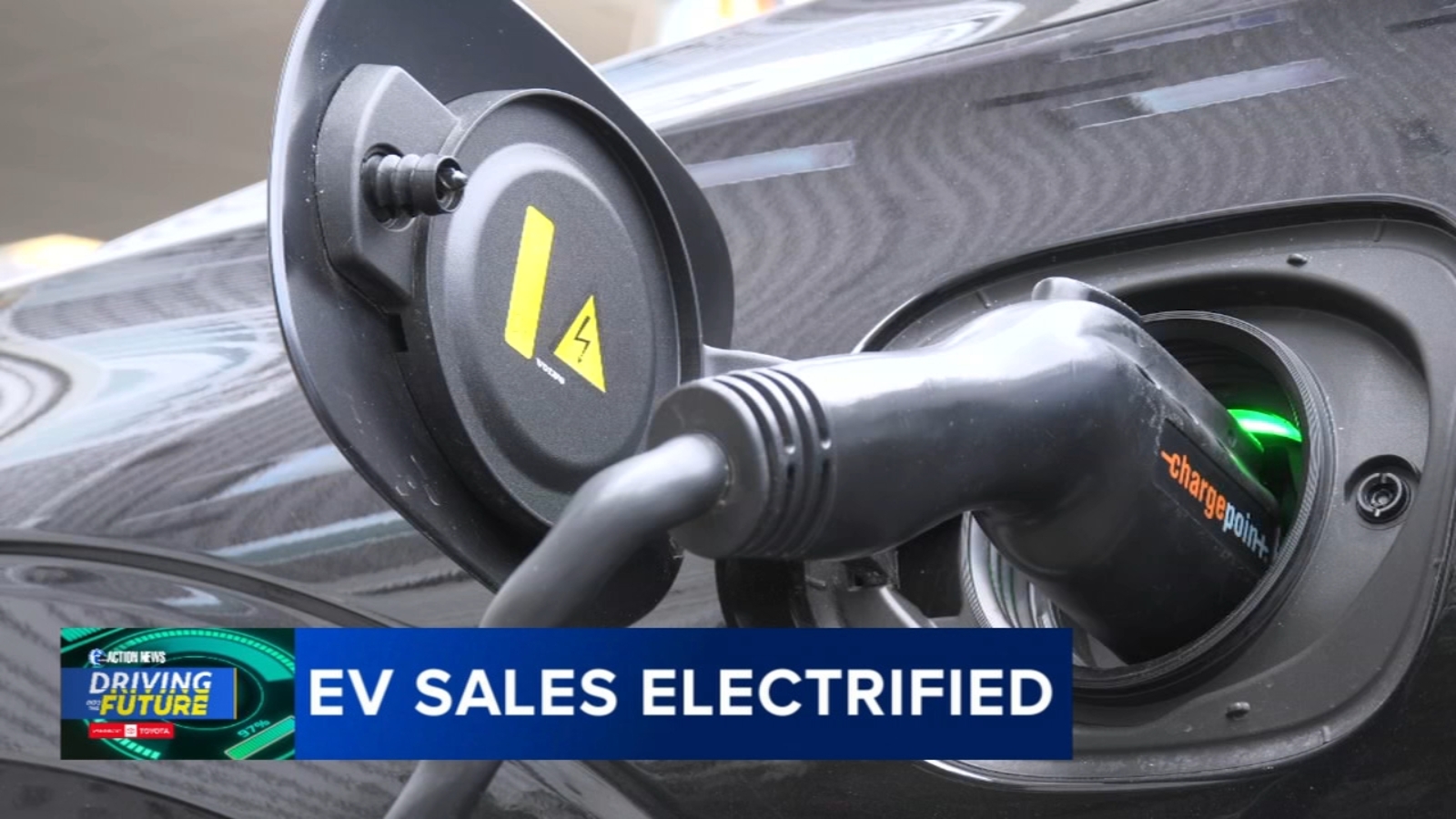
If you’ve filled up your tank recently and felt a sharp pain in your wallet, you’re far from alone. Rising gas prices have surged dramatically since the start of the war in Iran, with regular fuel climbing a staggering 96 cents per gallon, according to GasBuddy. This sudden spike at the pump is doing more than emptying wallets , it’s fundamentally changing how Americans approach their next vehicle purchase, with a growing wave of shoppers now setting their sights on electrified alternatives.
Industry analysts are watching a notable shift in consumer behavior unfold in real-time, and the implications for the automotive market could be significant.
The Surge at the Pump and What It Means for Drivers
The numbers tell a clear story. Gas prices have climbed nearly a full dollar per gallon in a relatively short period, sending shockwaves through household budgets across the country. For families already stretched thin by inflation, the cost of simply commuting to work or running errands has become a pressing financial concern.
This isn’t the first time Americans have watched fuel costs spike due to geopolitical turmoil. The pattern echoes what happened in 2022 when Russia invaded Ukraine, sending oil markets into a tailspin and pushing gas prices to historic highs. That period served as a wake-up call for many drivers, who began seriously exploring alternatives to traditional gasoline-powered vehicles.
History, it seems, is repeating itself , but this time, consumers have more electric options to choose from than ever before.
Shopper Behavior Is Shifting in Real-Time
Joseph Yoon, a consumer insights analyst for Edmunds , a major online marketplace for researching, buying, and selling new cars , has been tracking these changes closely. According to Yoon, the past couple of weeks have shown a significant uptick in consumer interest in vehicles that don’t rely solely on gasoline.
“In the past week or two, what we’re seeing is a kind of notable bump in shopper behavior,” Yoon explained, noting that the definition of “electrified vehicles” has expanded well beyond fully electric cars.
This category now encompasses a diverse range of options:
- Battery Electric Vehicles (BEVs) , Fully electric cars with no gasoline engine
- Hybrid Electric Vehicles (HEVs) , Combining a gas engine with electric motors, but no plug-in capability
- Plug-in Hybrid Electric Vehicles (PHEVs) , Offering both electric-only driving range and a gas backup engine
- Fuel Cell Electric Vehicles , Powered by hydrogen, though these remain rare on American roads
Essentially, anything that reduces or eliminates dependence on traditional gasoline falls into this growing category.
The Statistics Behind the Shift
The numbers paint a compelling picture of changing consumer preferences. Before the current geopolitical conflict began impacting oil markets, approximately 20% of car shoppers on Edmunds were already exploring alternatives to pure gasoline vehicles. That figure represents a baseline of growing interest that existed even before prices skyrocketed.
But the recent surge in fuel costs has accelerated that trend dramatically:
- Before the conflict: About 20% of shoppers exploring alternatives
- Last week: Approximately 23%
- This week: Nearly 25%
That represents a five-percentage-point jump in shopper interest in just a matter of weeks , a substantial shift in consumer behavior by any measure. The trajectory suggests that rising gas prices aren’t just causing temporary frustration; they’re pushing a meaningful segment of the car-buying public to fundamentally reconsider their transportation choices.
“People were like, ‘Oh, maybe it’s time to look at an EV,’ and I think right now with gas prices being very unstable at the pump, a lot of people are doing the same thing,” Yoon noted, drawing a direct parallel between 2022 and today’s market dynamics.
A Word of Caution: Interest Doesn’t Always Equal Sales
While the surge in consumer interest is real and measurable, Yoon offers an important caveat: it’s still too early to know whether this heightened curiosity will actually translate into higher electric vehicle sales. Browsing behavior and purchase decisions are two very different things, and several factors could slow the conversion from window-shopping to signing paperwork.
One of the most significant barriers remains the higher upfront cost of electrified vehicles. Even as the technology matures and battery prices decline, EVs and many hybrids still carry price premiums compared to their gasoline counterparts. When you combine this with the current environment of higher interest rates, the math becomes more complicated for many potential buyers.
Yoon’s advice to consumers is pragmatic and worth heeding: those who don’t actually need a new vehicle should resist the urge to rush into a purchase simply because gas prices are high.
“If you’re looking to switch vehicles thinking that you’ll save money, ultimately, you won’t,” he warned.
The Real Economics of EV Ownership
Here’s the thing about the financial case for electric vehicles: the savings don’t show up on day one. They’re realized over years of ownership, which makes the decision a long-term investment rather than an immediate cost-cutting measure.
The real financial benefits of EV ownership typically include:
- Reduced or eliminated fuel costs , Electricity is generally cheaper than gasoline on a per-mile basis
- Lower maintenance expenses , EVs have fewer moving parts, meaning no oil changes, fewer brake replacements (thanks to regenerative braking), and less wear on traditional drivetrain components
- Potential tax incentives , Federal and state credits can offset some of the higher purchase price
- Insurance considerations , Though rates vary, some insurers offer discounts for EVs
According to AAA, the national average cost of electricity at public EV charging stations currently sits at 41 cents per kilowatt hour. While this figure can vary significantly by region and charging network, it generally translates to substantial savings compared to filling up a gas tank, especially with prices at their current elevated levels.
What This Means for the Broader Automotive Market
The shift in consumer interest has implications that extend well beyond individual purchase decisions. Automakers have invested billions in electrified vehicle development, and many have ambitious targets for phasing out internal combustion engines entirely. Consumer demand fluctuations driven by fuel cost spikes could either accelerate or complicate these plans, depending on how the situation evolves.
There’s also a political dimension to consider. Government policies around emissions standards, fuel economy requirements, and EV tax credits all play roles in shaping the market. Periods of high gas prices tend to increase public support for alternative fuel vehicles and the infrastructure needed to support them.
The current situation also highlights the strategic importance of energy independence. Every consumer who switches from a gasoline vehicle to an electric one reduces their personal exposure to oil market volatility , a factor that may resonate strongly with buyers who remember the gas lines and price shocks of past decades.
Looking Ahead: A Volatile but Promising Landscape
For now, the automotive industry finds itself in a familiar pattern: geopolitical instability drives up fuel prices, which in turn drives consumer interest toward alternatives. The difference this time around is the maturity of the EV market. Five years ago, options were limited and infrastructure was sparse. Today, there are dozens of compelling electric and hybrid models available across nearly every vehicle category, from compact cars to pickup trucks to luxury SUVs.
Charging infrastructure has also expanded significantly, though gaps remain, particularly in rural areas and some parts of the country where apartment dwellers may struggle to find convenient charging options.
Whether the current spike in interest leads to lasting market transformation remains to be seen. Yoon and other analysts will be watching closely to see if the approximately 25% of shoppers currently exploring electrified options follow through with actual purchases.
Final Thoughts: Patience Pays
The connection between rising gas prices and increased EV interest is clear and well-documented. Consumers naturally seek alternatives when the cost of their current fuel source becomes burdensome, and the current geopolitical situation has triggered exactly that response.
However, the smart money , both literally and figuratively , is on taking a measured approach. If your current vehicle is running well and meeting your needs, the immediate financial pressure of high gas prices doesn’t necessarily justify a major purchase decision, especially in an environment of elevated interest rates and uncertain economic conditions.
For those who do need a new vehicle, the current moment does represent an opportunity to explore the expanding world of electrified transportation. The options are more diverse, the technology is more proven, and the long-term savings potential is more realistic than ever before. Just don’t expect those savings to materialize overnight , they’re a payoff that builds over years of ownership.
As the situation continues to develop, one thing is certain: the relationship between fuel prices and consumer behavior will remain a defining feature of the automotive market for years to come. Whether this latest shift represents a temporary blip or the beginning of a more permanent transformation will depend on factors ranging from global politics to battery technology advances to the simple economics of household budgets. For now, car shoppers have more choices than ever, and that, in itself, is something worth celebrating.
