
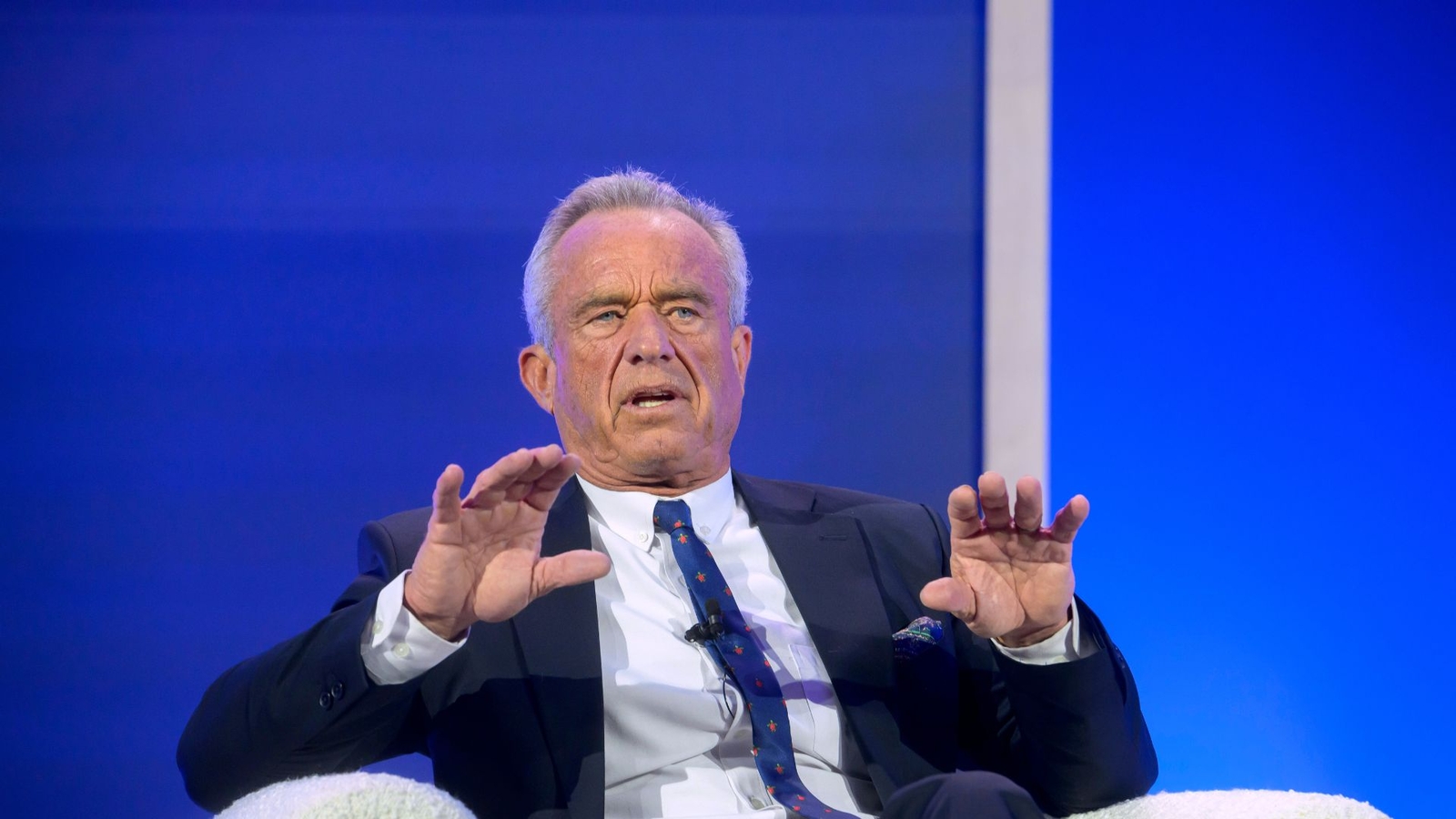
In a significant development for the World Trade Center Health Program, Health and Human Services Secretary Robert F. Kennedy Jr. has approved the hiring of 37 long-vacant positions, restoring the program’s staffing to its federally authorized level of 120 employees. The decision, announced just ahead of Kennedy’s Capitol Hill testimony, marks a major victory for 9/11 first responders, survivors, and advocates who have spent nearly a year pressuring the administration to address chronic understaffing that has slowed care for more than 140,000 enrollees.
For the men and women who answered the call on September 11, 2001, this move represents far more than a bureaucratic reshuffling , it represents a renewed promise that the country will not forget their sacrifices.
The Background: A Program Stretched Thin
The World Trade Center Health Program was established under the James Zadroga 9/11 Health and Compensation Act to provide long-term medical monitoring and treatment to those affected by the terror attacks in New York, Shanksville, Pennsylvania, and Washington, D.C. Over the years, the program has become a lifeline for thousands who developed serious health conditions from exposure to Ground Zero toxins.
Yet despite growing demand, the program has been operating with only 83 employees , roughly 30% below capacity , following a tumultuous period marked by staffing shortages, firings, rehires, and shifting leadership. At the same time, the program’s enrollment swelled by nearly 30,000 new participants, creating a widening gap between available resources and the population in need of care.
Real Consequences for Those Who Need Care Most
The understaffing had tangible effects. According to program advocates, the consequences included:
- Slower approval times for survivors seeking entry into the program
- Delays in managing contractors essential to program operations
- Longer wait times for medical appointments and treatments
Many of these enrollees suffer from cancer, respiratory disease, and other serious conditions directly linked to their exposure at Ground Zero. For them, delays aren’t merely inconvenient , they can be life-threatening.
How the Decision Finally Came Together
According to reports, program advocates and lawmakers received an email from Secretary Kennedy on Wednesday confirming the approval of the 37 new hires. The news was met with cautious optimism but also pointed reminders that the restoration should have happened much sooner.
Bipartisan Pressure Pays Off
One of the most striking aspects of this story is the bipartisan criticism the staffing crisis attracted. Lawmakers from both parties consistently raised alarms about the program’s diminished capacity, creating sustained pressure that advocates say ultimately forced action.
Rep. Andrew Garbarino (R-N.Y.) praised the move, stating that the additional staff would “directly support the responders and survivors who rely on this care every day.” He added that “more staff means better access to care, shorter wait times, and stronger support for those still living with the health impacts” of the attacks. Garbarino called the development “real progress for the 9/11 community” and emphasized the importance of making sure those who “answered the call on September 11th get the care they have earned.”
Rep. Dan Goldman (D-N.Y.) also welcomed the news but underscored the broader failures that led to this moment. “I am encouraged that, after repeated demands from me and from other members of Congress, Secretary Kennedy is finally increasing staffing at the World Trade Center Health Program so that our brave survivors and first responders can receive the quality health care they deserve,” Goldman said. He added that “the ongoing staffing shortages under this administration are unacceptable and have been undermining the program’s ability to provide timely and quality care to the enrollees,” and pledged to monitor the hiring process closely.
Advocates React with Measured Hope
Benjamin Chevat, executive director of Citizens for the Extension of the James Zadroga Act, called the development “progress” and credited sustained pressure from lawmakers for the outcome. But Chevat also noted the conspicuous timing of the decision, which came just before Kennedy’s scheduled public testimony on Capitol Hill.
“Now a year later he is finally letting the program fill the staff vacancies that the program was blocked from filling,” Chevat observed, underscoring how long advocates had been waiting for this moment.
Kennedy’s Own Acknowledgment of Past Mistakes
Interestingly, this isn’t the first time Secretary Kennedy has conceded that the program was mishandled. During a Senate hearing last May, he openly acknowledged that “we made a couple of mistakes” in firing program staff and promised corrective action. The recent approval of new hires suggests the administration is finally following through , albeit slowly , on that commitment.
In response to inquiries, a spokesperson for the Department of Health and Human Services stated: “Under Secretary Kennedy’s leadership, the World Trade Center Health Program continues to move forward and deliver for responders and survivors. The approval of these positions reflects HHS’ commitment to strengthening the program.” The spokesperson also noted that petition reviews are moving through established processes and that protecting the health of those affected by 9/11 “remains a top priority.”
Unresolved Concerns Still Loom Large
While the staffing victory is significant, advocates stress that critical challenges remain for the 9/11 health program. The decision to restore personnel addresses only one visible symptom of broader systemic issues that continue to affect care delivery.
Pending Coverage for New Conditions
One of the most pressing concerns involves the program’s failure to expand coverage for additional health conditions linked to 9/11 exposure. Decisions about adding autoimmune, cardiac, and cognitive disorders to the list of covered conditions have been stalled for years, according to Chevat. Until HHS , under Kennedy’s direction , signs off on these expansions, patients suffering from these conditions cannot qualify for full coverage through the program.
Research Funding Stuck in Limbo
Beyond clinical care, the program’s research arm is also facing delays. The annual grant cycle, which typically distributes approximately $20 million for studies on 9/11-related illnesses, has not yet received approval , despite expectations that it would begin back in February. Chevat noted that this research is essential for understanding the long-term health consequences of toxic exposure and developing better treatments.
Communication Breakdown
Perhaps equally troubling is what advocates describe as a communication breakdown between the program and the 9/11 community. Under current HHS oversight, updates have been sparse and decision-making has lacked clarity. For survivors and responders who depend on the program for both medical care and emotional support, this opacity has created anxiety and frustration at a time when transparency is most needed.
Looking Ahead: What Comes Next
The staffing restoration is likely to be a major topic during Kennedy’s Capitol Hill testimony, where lawmakers are expected to press the secretary on the program’s broader challenges. The research funding issue is also expected to come up at an upcoming Senate Health, Education, Labor and Pensions Committee hearing.
For now, advocates are watching closely to ensure that the approved positions are filled as quickly as possible , and that the administration’s commitment translates into meaningful improvements on the ground. Goldman made this expectation explicit, promising to ensure that “new staffers are hired as quickly as possible and that our heroes receive the quality healthcare they were promised and deserve.”
Conclusion: A Promise Renewed, A Fight Continued
The decision to restore full staffing to the World Trade Center Health Program is a meaningful step in the right direction, validating the persistent advocacy of 9/11 survivors, first responders, and bipartisan lawmakers. It acknowledges, however belatedly, that those who sacrificed their health in the aftermath of the September 11 attacks deserve a fully functioning program capable of meeting their needs.
Yet staffing alone will not resolve the deeper challenges facing the program. The pending expansion of covered conditions, stalled research funding, and ongoing communication gaps must also be addressed with the same urgency. The 9/11 community has waited long enough , and as the nation continues to reckon with the long shadow of that tragic day, fulfilling the promises made to its heroes must remain a non-negotiable priority.