
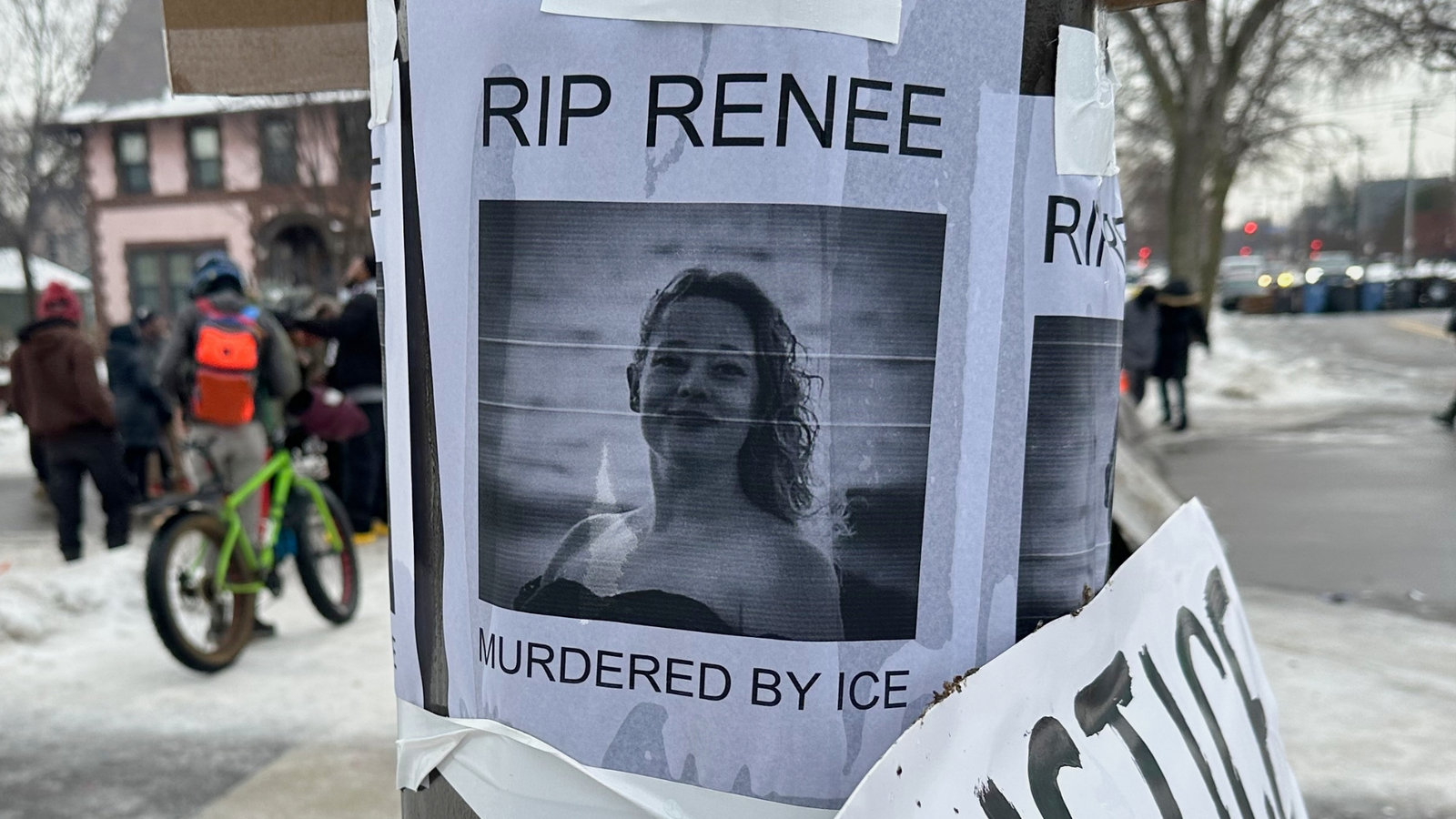
The Renee Good ICE shooting in Minneapolis has become one of the most debated law enforcement incidents in recent memory, drawing national attention and igniting fierce discussions about immigration enforcement tactics, the use of deadly force, and the boundaries of self-defense. On a Wednesday in Minneapolis, a 37-year-old mother and resident was fatally shot by an Immigration and Customs Enforcement (ICE) officer during a confrontation that was captured on multiple videos and quickly went viral across social media platforms.
This comprehensive guide covers everything known about Renee Good, the circumstances surrounding her death, the conflicting accounts from federal and local officials, and the broader implications of this deeply polarizing event.
Who Was Renee Good?
Renee Good was a 37-year-old woman living in Minneapolis whose life ended in a violent encounter with federal law enforcement. Beyond her tragic role in this incident, those who knew her remember a mother, a wife, and an educated professional who had built a life in the city.
Education and Background
Good was a 2020 graduate of Old Dominion University in Virginia, where she earned her degree in English from the College of Arts and Letters. The university’s president, Brian Hemphill, issued a statement expressing grief over the loss, calling it a moment of “great sadness” for the institution.
“May Renee’s life be a reminder of what unites us: freedom, love, and peace,” Hemphill said. “My hope is for compassion, healing, and reflection at a time that is becoming one of the darkest and most uncertain periods in our nation’s history.”
Family and Personal Life
Good is survived by her wife and a 6-year-old child, according to Minnesota Governor Tim Walz, who offered his “deepest sympathies” to the family during what he called an “unimaginable tragedy.” A relative told the Minneapolis Star Tribune that Good was also the mother of two other children, though the relative believed those children “lived with her extended family.”
What Happened During the Renee Good ICE Shooting?
The incident unfolded on a Wednesday in Minneapolis, when multiple videos captured Good sitting inside her maroon Honda SUV as ICE agents surrounded and confronted her vehicle. The footage, which spread rapidly online, shows the moments leading up to the fatal encounter from various angles.
The Federal Account
According to Department of Homeland Security (DHS) spokesperson Tricia McLaughlin, the federal government’s official position is that Good was “attempting to run over our law enforcement officers” with her car when the ICE officer fatally shot her. Homeland Security Secretary Kristi Noem went further during a Wednesday press conference, claiming Good was using her car as a “deadly weapon” and labeling the incident an “act of domestic terrorism.”
DHS, along with President Donald Trump and Secretary Noem, has maintained that the agent’s actions constituted self-defense and that the officer followed ICE training protocols. The narrative from federal officials frames the shooting as a necessary response to a deadly threat posed by the vehicle.
The Local Account
Minneapolis Mayor Jacob Frey and Governor Tim Walz have disputed the federal government’s characterization of events. Both leaders have pointed to video evidence that they say contradicts the claim of self-defense. According to city officials, preliminary information from Minneapolis police suggests a different sequence of events.
“At some point, a federal law enforcement officer approached her on foot, and the vehicle began to drive off,” Minneapolis police said in a statement. “At least two shots were fired, the vehicle then crashed on the side of the roadway.”
Critically, police added: “There is nothing to indicate that this woman was the target of any law enforcement investigation or activity.” This detail has become central to the controversy, as it raises questions about why an apparently uninvolved civilian was confronted by federal agents in the first place.
Medical Details and Immediate Aftermath
Following the shooting, Good was transported to an area hospital with gunshot wounds to the head. She was later pronounced dead, according to city officials. The severity of her injuries underscores the fatal outcome of the encounter.
Within hours of the Renee Good ICE shooting, a large crowd gathered near the scene , an area located less than a mile from where George Floyd was killed in May 2020. That proximity is not coincidental in the minds of many Minneapolis residents, who view the incident through the lens of a city that has long grappled with high-profile uses of force by law enforcement.
Official Responses and Reactions
The shooting has produced sharply divergent responses from federal, state, and local officials, highlighting the deep political divisions surrounding immigration enforcement in America.
Minnesota State and Local Response
Governor Tim Walz has been particularly vocal in challenging the federal narrative. In addition to disputing the self-defense claim based on video evidence, Walz announced he had issued a “warning order” to prepare the Minnesota National Guard. Soldiers are reportedly in training and prepared to be deployed “if necessary,” though the governor urged “peaceful resistance” rather than violence.
Mayor Jacob Frey joined Walz in pushing back against the federal account, with both officials emphasizing that the video evidence does not support the characterization of the shooting as self-defense.
Federal Government’s Position
The Trump administration has doubled down on its defense of the ICE officer involved. President Donald Trump, Secretary Kristi Noem, and DHS officials have all publicly defended the agent’s actions as consistent with training and law. The “domestic terrorism” label applied by Noem represents one of the strongest rhetorical escalations in the federal response.
Why the Renee Good ICE Shooting Matters
This incident sits at the intersection of several of the most contentious debates in contemporary American life: immigration enforcement policy, the militarization of federal law enforcement, civilian rights during encounters with armed agents, and the use of deadly force.
Civilian Encounters with Federal Agents
The Minneapolis police statement that Good was “not the target of any law enforcement investigation or activity” raises serious questions about the circumstances under which federal agents are approaching and confronting civilians. If accurate, this detail suggests that everyday citizens going about their daily lives may now find themselves in potentially fatal encounters with armed federal officers.
The Self-Defense Question
Central to the legal and ethical debate is whether the use of deadly force was justified. Federal officials assert that a vehicle being used as a weapon meets the threshold for lethal response. Local officials, citing the video, argue the situation did not warrant shooting. This disagreement will likely shape investigations, potential legal proceedings, and policy discussions for months to come.
Community Impact
The proximity of the shooting site to where George Floyd died is symbolically powerful for many Minneapolis residents. The city has been at the center of national conversations about policing and use of force for nearly six years, and the Renee Good ICE shooting has reopened emotional wounds while adding new dimensions to those ongoing discussions.
What Happens Next?
As of now, multiple investigations are likely to proceed, though the jurisdictional complexity of an ICE officer shooting a civilian on Minneapolis streets raises questions about which agency will take the lead. The viral nature of the video evidence means that public scrutiny will remain intense.
Governor Walz’s activation of National Guard preparations signals that state officials are taking seriously the potential for unrest, while their emphasis on peaceful resistance suggests a desire to balance public safety with the right to protest.
Conclusion
The Renee Good ICE shooting represents a watershed moment in the national conversation about immigration enforcement and the powers exercised by federal agents on American streets. A 37-year-old mother of three, a college-educated professional, and a beloved member of her community was killed in an encounter that federal officials describe as self-defense and local officials describe as unjustified. The conflicting accounts, supported by competing interpretations of the same viral video footage, ensure that this tragedy will remain in the headlines and the courtroom for the foreseeable future.
As investigations continue and memorials are held, the memory of Renee Good , and the questions her death has raised , will likely influence debates over ICE tactics, federal oversight of immigration enforcement, and the fundamental rights of civilians during encounters with armed government agents. Whether through legal proceedings, legislative action, or peaceful public demonstrations, the aftermath of this incident promises to shape American policy and public discourse for years to come.