
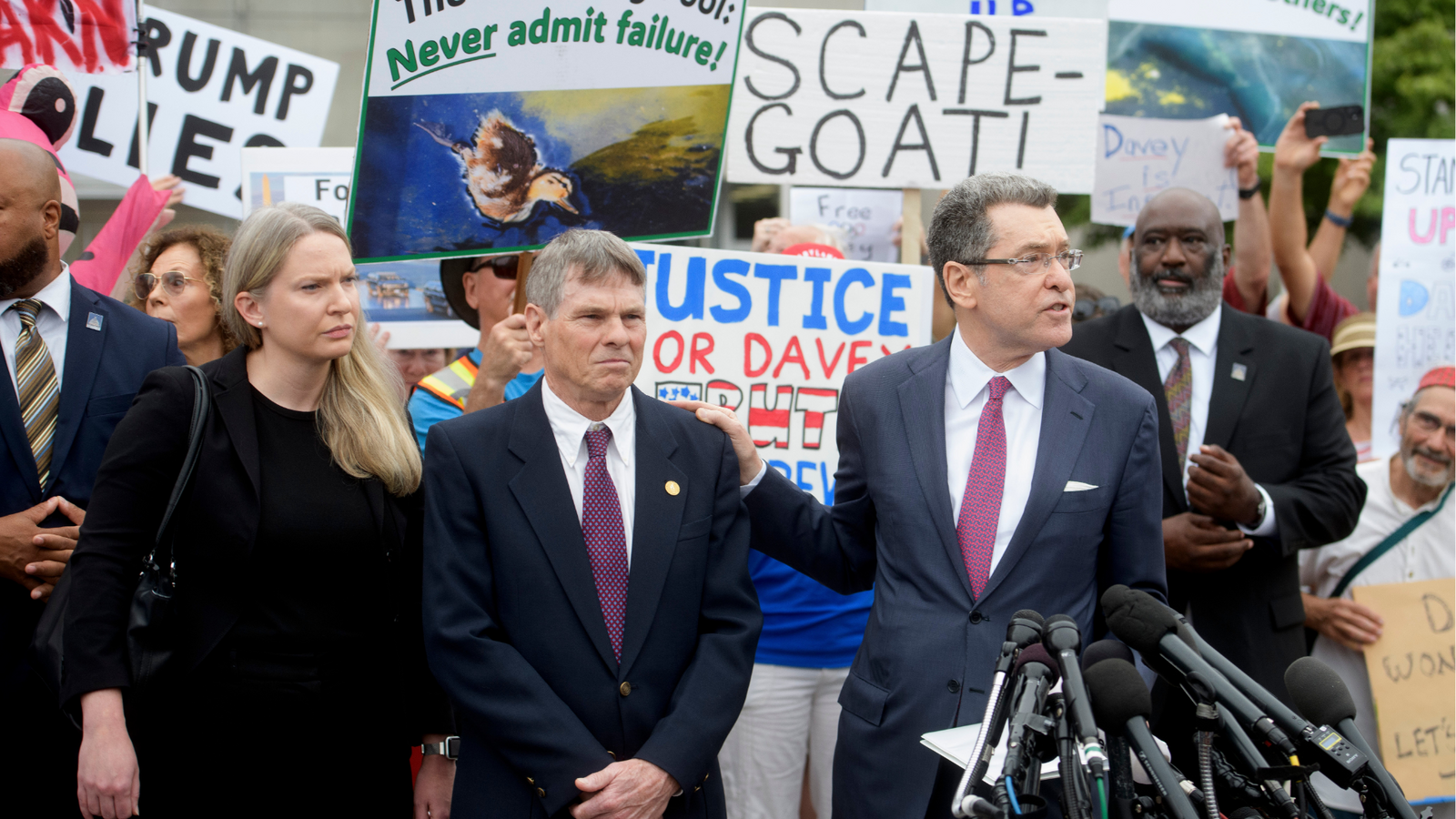
A federal judge has thrown out the Lincoln Memorial reflecting pool vandalism case against former U.S. Olympic canoeist David Hearn, though the legal saga isn’t entirely over yet. The ruling, handed down on Thursday, came after the Department of Justice itself asked the court to drop the charges , a rare about-face that has ignited political controversy and raised significant questions about how the prosecution was built in the first place.
Associate Judge Todd Edelman granted the government’s motion to dismiss in part, but reserved a critical decision that could have lasting implications for Hearn’s future. The judge indicated he needs additional arguments from both sides before deciding whether the dismissal should be “with prejudice” , a legal designation that would permanently shield Hearn from being charged again for the same alleged offense.
The Government’s Embarrassing Reversal
U.S. Attorney Jeanine Pirro’s office made a stunning admission in its motion to dismiss, conceding that the damage to the iconic reflecting pool was not caused by a vandal but rather by “flawed installation by the contractor.” This acknowledgment came only after a federal grand jury had already indicted Hearn on a felony destruction of property charge, meaning prosecutors essentially proceeded with a criminal case before having all the relevant facts in hand.
The Justice Department’s filing revealed that it only discovered evidence pointing to “a rushed and flawed installation process” after Hearn had been formally charged. This timeline has infuriated critics who argue that basic investigative work should have occurred before seeking an indictment.
Why David Hearn Wants the Case Dismissed With Prejudice
Hearn’s legal team didn’t merely accept the government’s concession , they pushed aggressively for a stronger outcome. Attorneys for the former Olympian filed their own motion seeking dismissal with prejudice, arguing that the unusual circumstances of the case warrant permanent protection from future prosecution.
In a sharply worded court filing, Hearn’s lawyers wrote: “Defying both decency and common sense, the government proceeded to indict Mr. Hearn before it had obtained or evaluated the information necessary to establish a good-faith basis for the charge.”
They went further, warning the court that “the Court should not leave the defendant subject to the possibility of renewed prosecution.” Without a with-prejudice designation, federal prosecutors could theoretically revive the case later if new circumstances emerged , a possibility Hearn’s attorneys find unacceptable given how the matter has been handled.
The Legal Distinction That Matters
Understanding the difference between dismissal with and without prejudice is crucial here:
- Dismissal without prejudice: The government drops the current charges but retains the legal right to refile them later. Hearn would remain exposed to potential re-indictment.
- Dismissal with prejudice: The case is permanently terminated on its merits. The government is barred from bringing the same charges again, effectively ending the threat of prosecution forever.
Judge Edelman has established a filing schedule for both parties and indicated he will hold an oral argument hearing once all written submissions are complete. Until that hearing occurs, Hearn’s legal limbo continues.
The Trump Factor and Political Firestorm
Few aspects of this case have generated more headlines than President Donald Trump’s vocal criticism of U.S. Attorney Pirro’s decision to drop the charges. Trump publicly attacked his own Justice Department official, accusing her of “choking” and “folding like an umbrella” when she moved to dismiss the indictment.
The President has continued to insist that vandals , not faulty construction work , were responsible for cutting and tearing the pool lining. His refusal to accept the government’s own findings has placed him at odds with federal prosecutors who, by their own admission, uncovered evidence pointing to installation problems.
This political pressure creates an unusual dynamic. Pirro’s office is now caught between:
- Acknowledging the factual reality that contractor errors caused the damage
- Maintaining credibility with a President who insists on a different narrative
- Navigating judicial proceedings that will determine whether Hearn faces any future jeopardy
Background on the Allegations
To understand the stakes, it’s worth revisiting how this case began. Hearn, who once represented the United States in Olympic canoeing competitions, was accused by Pirro’s office of “forcefully and violently” ripping up portions of the reflecting pool floor. The allegations painted a picture of deliberate destruction at one of the nation’s most symbolically significant landmarks.
Hearn pleaded not guilty to the felony destruction of property charge last month. The indictment alleged significant damage to the historic pool, which sits at the foot of the Lincoln Memorial on the National Mall in Washington, D.C.
The case drew national attention partly because of Hearn’s athletic background and partly because of the symbolic importance of the location. The Lincoln Memorial Reflecting Pool is a heavily visited tourist destination and a site of profound historical significance, having hosted major civil rights events and presidential gatherings over the decades.
The Flawed Installation Revelation
The government’s admission that contractor errors were to blame represents a significant departure from the original prosecution theory. According to the Justice Department’s filing, evidence emerged after the indictment showing that the pool’s lining had been improperly installed , suggesting the visible damage was a construction defect rather than criminal vandalism.
This revelation raises uncomfortable questions about the original investigation:
- Why wasn’t this evidence discovered before seeking an indictment?
- What investigative steps were taken to verify the cause of damage?
- Were alternative explanations for the damage explored during the probe?
- Who made the decision to charge Hearn before contractor records were reviewed?
These questions are likely to surface during the upcoming oral arguments before Judge Edelman, as Hearn’s attorneys make their case for a with-prejudice dismissal.
What’s Next for the Case
Several key dates and decisions loom on the horizon:
- Filing deadline: Both parties must submit additional written arguments per the schedule set by Judge Edelman.
- Oral argument hearing: Once submissions are complete, the court will schedule a hearing where attorneys for both sides will argue their positions.
- Final ruling on prejudice: Judge Edelman will determine whether the dismissal permanently protects Hearn or leaves him vulnerable to future charges.
For Hearn, the outcome of this final determination could be as consequential as the dismissal itself. A without-prejudice dismissal would technically end the current proceedings but leave a cloud hanging over his head indefinitely. A with-prejudice ruling would provide complete closure and likely vindication.
Broader Implications for Federal Prosecutions
The Hearn case has already sparked discussions within legal circles about prosecutorial standards and the threshold for seeking indictments. Legal experts note that federal grand jury indictments are typically difficult to challenge once obtained, which makes the government’s voluntary dismissal all the more remarkable.
The case also highlights the tension between political expectations and factual findings in high-profile prosecutions. When a sitting President publicly demands a particular outcome, prosecutors face immense pressure , yet the Justice Department’s own evidence ultimately pointed in a different direction.
Meanwhile, questions about accountability for the original charging decision remain largely unanswered. Whether anyone within the U.S. Attorney’s office will face internal review or disciplinary action for pursuing an indictment based on incomplete information is unclear.
Conclusion
The dismissal of the reflecting pool vandalism case against David Hearn marks a dramatic turn in a prosecution that never should have reached the indictment stage, according to the government’s own subsequent admissions. While Judge Edelman has agreed to drop the charges, the critical question of whether that dismissal comes with prejudice , permanently ending any threat of re-prosecution , remains pending. As both legal teams prepare their additional filings and await an oral argument date, the former Olympian’s complete legal vindication hangs in the balance. The case has already damaged the credibility of the initial investigation and exposed the dangers of pursuing criminal charges before the underlying facts are fully understood. Whatever Judge Edelman’s final ruling, this episode will likely be cited for years to come as a cautionary tale about prosecutorial overreach and the importance of thorough investigation before seeking an indictment.