
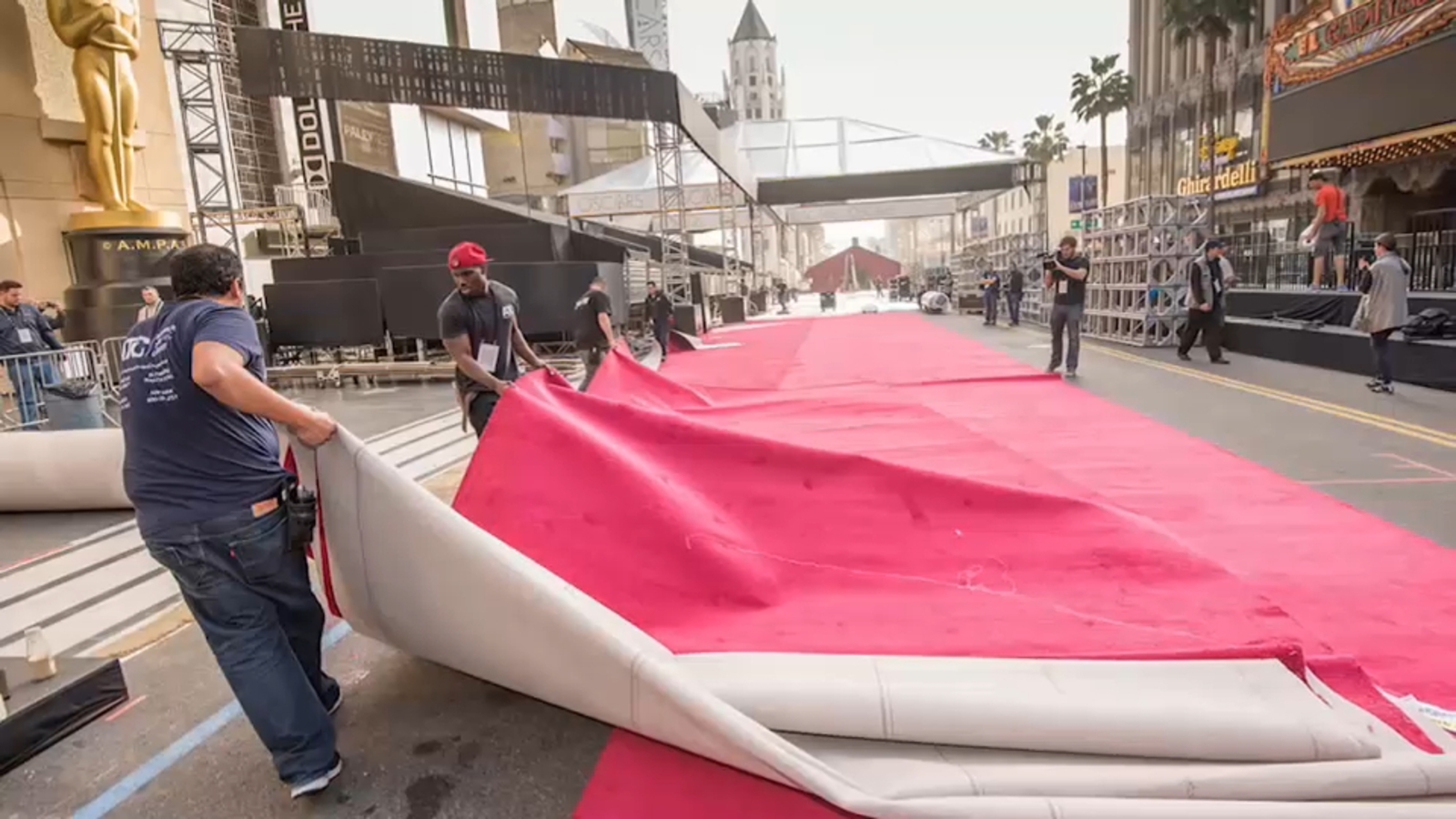
The red carpet is one of the most iconic symbols in entertainment, fashion, and culture. Every year, millions of viewers tune in to watch their favorite stars walk this crimson pathway, where style meets celebrity in a dazzling display of gowns, tuxedos, and unforgettable moments. But few people realize that this glamorous tradition stretches back thousands of years, far beyond the bright lights of Hollywood and the Dolby Theater. The story of the red carpet is a fascinating journey through ancient civilizations, royal courts, presidential milestones, and the evolution of modern celebrity culture.
Ancient Beginnings: Where the Red Carpet Story Began
The origins of the red carpet trace all the way back to ancient Greece around 458 B.C. The earliest written reference appears in the Greek tragedy “Agamemnon,” where the concept of a crimson-colored pathway was first mentioned. But this was no ordinary floor covering. The dye used to create that rich red hue came from cochineal, an extraordinarily expensive pigment derived from tiny insects. Only the wealthiest and most influential figures in society could afford to commission such a luxurious textile.
Originally, the red carpet served as a powerful symbol of status and reverence. Royalty, kings, queens, emperors, and Caesars were the only ones granted the privilege of walking upon it. In a world where visual symbols of power mattered enormously, the simple act of providing a red carpet for someone’s arrival communicated immense respect and authority. This exclusive tradition would persist for centuries, evolving slowly through different cultures and historical eras.
The Color of Power and Prestige
Why red specifically? The color has long been associated with power, passion, wealth, and importance across virtually every civilization. Red dyes were notoriously difficult and expensive to produce, which made the color inherently exclusive. When ancient leaders and monarchs walked across a red carpet, they were literally treading on wealth made visible. This symbolism has endured remarkably well, even as the context has changed dramatically over the millennia.
From Royalty to the White House
For centuries, the red carpet remained firmly in the domain of monarchs and rulers. However, a significant shift occurred in 1821 when the tradition crossed the Atlantic and entered American political culture. President James Monroe became the first U.S. president to be honored with a red carpet upon his arrival at a historic site. This moment marked a pivotal transition, suggesting that elected leaders had earned a place among the elite figures worthy of such regal treatment.
The 19th century helped cement the red carpet as a universal symbol of honor and distinction. Whether greeting dignitaries, hosting important guests, or marking significant occasions, the visual language of the red carpet became deeply embedded in diplomatic and ceremonial traditions worldwide.
The Birth of “Rolling Out the Red Carpet”
As the 20th century dawned, a new era of luxury emerged. The rise of ocean liners, grand hotels, and railways created unprecedented opportunities for opulence. During this period, the now-famous phrase “rolling out the red carpet” entered common usage. Luxury steamships and premier travel services began using red carpets to welcome their wealthiest passengers, transforming the phrase from a rare ceremonial gesture into a recognizable idiom for exceptional treatment.
This linguistic shift was significant. The red carpet was no longer just a physical object; it became a metaphor for premium service, exclusive access, and VIP treatment. Hotels, cruise lines, and luxury establishments adopted the phrase enthusiastically, and it eventually spread into broader cultural vocabulary.
Hollywood Discovers the Red Carpet
It wasn’t until 1922 that the red carpet made its way into the world of entertainment. The premiere of “Robin Hood,” starring the legendary Douglas Fairbanks, is widely credited as the first film premiere to feature a red carpet. This moment was transformative. Suddenly, movie stars were treated with the same reverence previously reserved for royalty and heads of state.
The early Hollywood red carpet was a place where stars could be seen, admired, and approached by fans and press alike. It created an intimate connection between the silver screen and the public, establishing a template that would define celebrity culture for the next century. Studios quickly recognized the promotional power of these glamorous arrivals, and the red carpet became an essential component of major film premieres.
The Evolution of Celebrity Fashion Moments
Throughout the mid-20th century, the red carpet gradually transformed from a simple welcome pathway into a fashion runway. Stars began wearing custom gowns, designer suits, and statement jewelry specifically for these appearances. Photographers captured every angle, newspapers published detailed descriptions of outfits, and fashion houses realized that a single appearance could generate enormous publicity.
Joan Rivers and the Fashion Revolution
Perhaps no one revolutionized the modern red carpet more than Joan Rivers. In the 1990s, the legendary comedian and entertainment reporter asked a question that would forever change celebrity culture: “Who are you wearing?” Those four simple words transformed the red carpet from a simple arrivals area into a high-stakes fashion event.
According to her daughter Melissa, the iconic question actually originated spontaneously. Joan Rivers couldn’t think of what to ask a celebrity and the phrase simply “flew out of her mouth.” It stuck, and it changed everything. Suddenly, designers became household names, fashion collaborations became career-making opportunities, and the red carpet became as much about the clothes as about the films being celebrated.
This shift had enormous financial implications. A celebrity wearing an unknown designer could generate millions of dollars in exposure overnight. Established fashion houses fought fiercely to dress A-list celebrities, knowing that the right gown on the right star at the right moment could translate into record sales and cultural relevance.
The Modern Red Carpet Industry
Today, the red carpet has evolved into a multimillion-dollar industry that extends far beyond the events themselves. Designers invest enormous resources in custom creations, jewelers loan priceless pieces, hairstylists and makeup artists command premium rates, and entertainment reporters have built entire careers around red carpet coverage.
When a celebrity “nails it” on Oscar night or another major awards show, the financial impact can be staggering. That kind of press coverage, that kind of star quality, and that kind of gown coming alive on screen can completely transform a designer’s career trajectory. Fashion trends that appear on the red carpet cascade down through the industry rapidly. Within weeks, you can spot those same colors, patterns, and design details appearing on the high street, in fast-fashion collections, and across social media.
The Academy Awards red carpet at the Dolby Theater has become the crown jewel of these events. As the 97th annual Academy Awards approached, the iconic red carpet was once again rolled out, signaling that Oscar Sunday had nearly arrived. Millions of viewers tune in for hours of pre-show coverage, dissecting every outfit and interviewing every star before they even enter the venue.
Live Coverage and the Digital Age
Modern red carpet coverage has expanded dramatically with digital technology. Live streaming, social media, and instant celebrity fashion analysis have turned what was once a simple arrivals process into a major entertainment event in its own right. Networks now broadcast hours of pre-show content, featuring fashion experts, celebrity interviews, and behind-the-scenes glimpses of preparation. Platforms like Instagram, TikTok, and YouTube have democratized red carpet commentary, allowing anyone with a smartphone to share opinions and analysis with global audiences.
The Cultural Significance of the Red Carpet
Beyond fashion and entertainment, the red carpet carries deep cultural significance. It represents aspiration, dreams, and the magical intersection of art and celebrity. For millions of viewers around the world, watching the red carpet offers a glimpse into a world of glamour that feels both inspiring and aspirational. It’s a moment where fashion becomes history, where a single dress can influence trends for years to come, and where celebrities become walking canvases for artistic expression.
The red carpet has also become a platform for important cultural statements. Designers and celebrities increasingly use these high-profile moments to advocate for causes, celebrate diversity, and make political statements. A gown can spark conversations about sustainability, ethics in fashion, and cultural representation. This evolution has added layers of meaning to an already rich tradition.
Looking Forward: The Future of the Red Carpet
As we look to the future, the red carpet continues to evolve. Sustainability has become an increasingly important consideration, with many designers and celebrities opting for vintage pieces, rental fashion, and eco-friendly materials. The conversation around diversity and representation has also grown louder, with advocates pushing for greater inclusion among designers, stylists, and the celebrities celebrated on these prestigious walkways.
Technology will likely continue to reshape the red carpet experience. Virtual reality, augmented reality, and AI-powered fashion analysis are already beginning to influence how we engage with these events. Yet despite all these changes, the fundamental appeal of the red carpet remains timeless: the anticipation, the glamour, the fashion, and the unforgettable moments that become part of cultural history.
Conclusion
The journey of the red carpet from ancient Greek ceremonial pathways to the gleaming stretch outside the Dolby Theater represents one of the most fascinating cultural evolutions in human history. What began as an exclusive symbol of royal privilege has transformed into a global celebration of fashion, film, and celebrity culture. From its origins with cochineal dye and ancient monarchs, through presidential ceremonies and luxury ocean liners, to the Hollywood premieres of the 1920s and Joan Rivers’ revolutionary question, the red carpet has consistently reflected the values and aspirations of each era it has touched. Today, as millions prepare to tune in for Oscar Sunday and watch their favorite stars make that iconic walk, they participate in a tradition that is literally thousands of years old. The road to gold truly does begin with red, and that crimson pathway shows no signs of losing its magic anytime soon.