
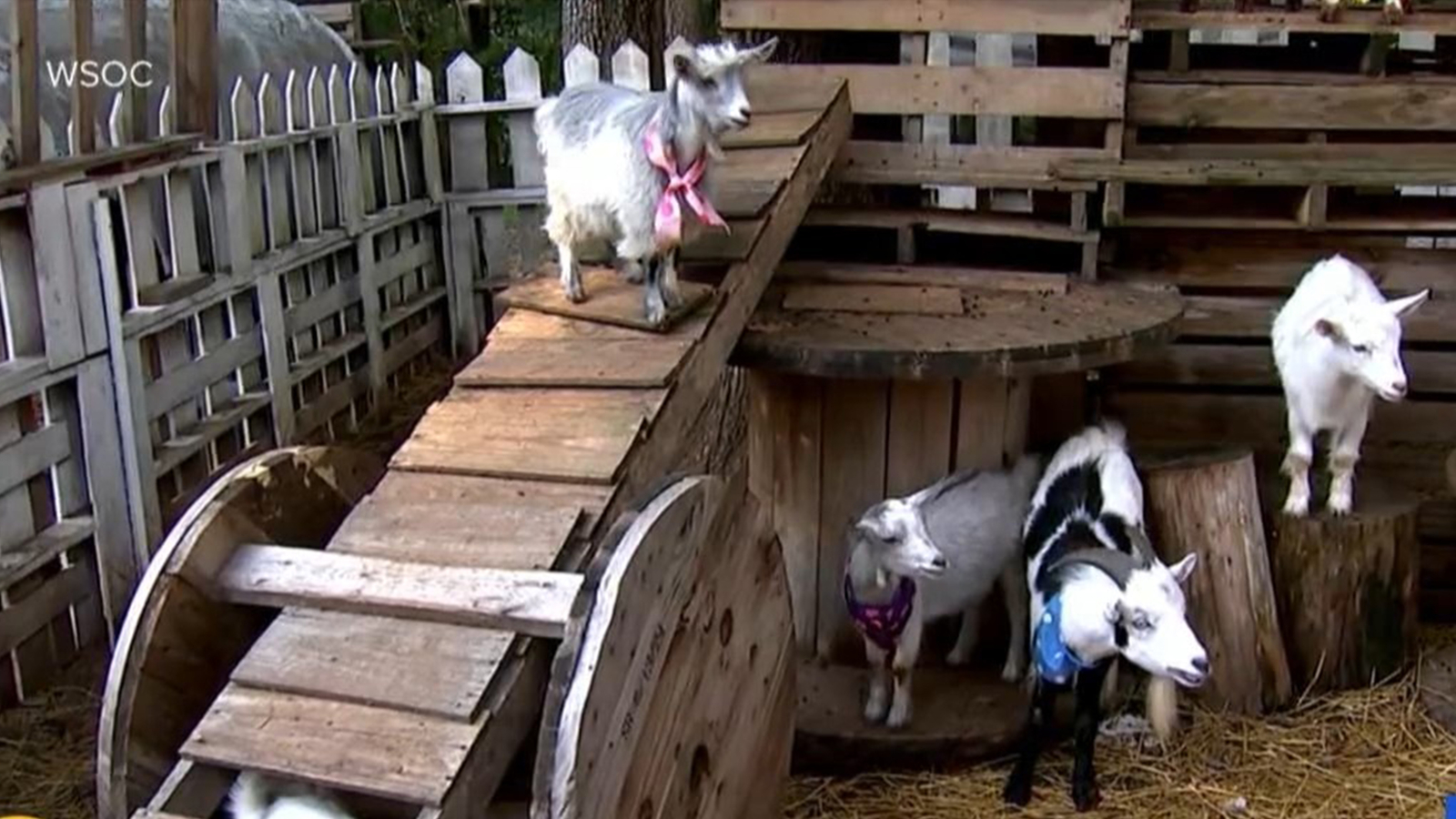
Health officials in North Carolina are sounding the alarm after at least three baby goats linked to a mobile petting zoo tested positive for rabies. The discovery of these rabid petting zoo goats has triggered an urgent public warning, urging anyone who may have come into contact with the animals to seek immediate medical evaluation.
The outbreak has sent ripples through six counties where the traveling menagerie made appearances, including stops at an assisted living facility and a back-to-school event. As investigators work to identify all potentially exposed individuals, the story raises important questions about animal welfare, public safety, and the unpredictable nature of rabies transmission.
What Happened at Farm Adventures?
Farm Adventures, a family-owned petting zoo based in Harmony, North Carolina, became the epicenter of a public health investigation after routine observation of illness in their baby goat herd led to alarming test results. The North Carolina Department of Health and Human Services (NCDHHS) confirmed on a Sunday that laboratory tests conducted the previous Friday revealed the rabies virus in three baby goats. A fourth baby goat, although not formally examined, was presumed to also be infected given its proximity to the confirmed cases.
Out of an abundance of caution and to prevent any further risk, all four infected animals were humanely euthanized, according to local news reports. The remainder of the traveling animal collection received rabies booster vaccinations as a precautionary measure.
How Did the Goats Become Infected?
According to NCDHHS, the most likely source of exposure was a skunk that managed to breach the goats’ living area. This is consistent with patterns seen across the country, as wildlife intrusion remains a common vector for domestic animal infections. The farm’s owner, Misty Love, explained that the skunk appeared to have entered the enclosure through a hole, despite the goats being kept in a pen specifically designed to prevent wild animal contact.
“It’s devastating,” Love told local media. “They were kept in an enclosed pen to prevent any wild animal contact.” The timeline suggests the exposure occurred in late July, with symptoms emerging several weeks later , an incubation period entirely consistent with rabies biology.
Where Did the Petting Zoo Travel?
Since July 28, Farm Adventures operated as a mobile petting zoo, making appearances at no fewer than 10 events across six North Carolina counties. The confirmed locations include:
- Mecklenburg County
- Iredell County
- Watauga County
- Burke County
- Davie County
- Durham County
These were not small gatherings tucked away in rural backroads. Among the documented stops were an assisted living facility , a location housing some of the most vulnerable populations , and a back-to-school event attended by families and children. Both settings represent high-concern environments for potential rabies exposure, given the close contact typical of petting zoo interactions and the heightened vulnerability of elderly residents and young children.
Ongoing Investigation
NCDHHS officials stated that they are actively collaborating with event organizers to compile lists of attendees who might have handled or interacted with the infected goats. Health authorities cautioned that additional exposure locations at public events may be disclosed as the investigation continues. Anyone who visited any Farm Adventures event since late July is urged to contact their local health department to determine whether post-exposure prophylaxis (PEP) is warranted.
What Are the Risks to Humans?
Here is the reassuring part of an otherwise unsettling story: as of the latest report, no human infections have been documented in connection with this outbreak. The CDC reports that fewer than 10 human deaths from rabies are recorded annually across the entire United States, making human rabies cases statistically rare. North Carolina itself has not seen a human rabies case since 2011 , more than a decade of vigilance prior to this incident.
Nevertheless, the seriousness of rabies cannot be overstated. Once clinical symptoms manifest, rabies is almost universally fatal. This is precisely why prompt medical attention following any potential exposure is critical.
Understanding Rabies Transmission
Rabies is a viral disease that attacks the central nervous system. It is primarily transmitted through the saliva of an infected animal, typically via a bite, though scratches contaminated with infectious saliva can also pose a risk. The CDC notes that over 90% of reported rabies cases in the United States are discovered in wildlife populations, with skunks, bats, raccoons, and foxes being the most common culprits.
The petting zoo scenario is particularly delicate because visitors , especially children , frequently engage in direct physical contact with animals, often without realizing that even a gentle nuzzle or a seemingly harmless lick could potentially transmit the virus if the animal is infected.
Signs of Rabies in Animals
Recognizing the warning signs in animals can help prevent exposure in the first place. Common indicators of rabies infection include:
- Unusual aggression or restlessness
- Excessive drooling or foaming at the mouth
- Disorientation or apparent confusion
- Paralysis, particularly in the hind legs or facial muscles
- Uncharacteristic fearlessness or tameness in wild animals
- Difficulty swallowing
Any animal exhibiting these symptoms should be reported to local animal control authorities immediately, and direct contact should be strictly avoided.
The Owner’s Perspective
For Misty Love, the owner of Farm Adventures, the situation has been nothing short of heart-wrenching. She described the ordeal as a “nightmare” and emphasized that her animals are the most important part of her life. The petting zoo has since been placed under official quarantine by health officials.
Love has been transparent about the situation, urging any concerned parents who attended her events to pursue rabies vaccinations. “I highly recommend them to go get vaccinated,” she said, underscoring that her priority remains protecting the public even amid her own grief over the loss of the baby goats.
What Should You Do If You Were Exposed?
If you or a family member attended any Farm Adventures event since late July 2024, take the following steps without delay:
- Contact your local health department immediately to report the visit and receive guidance specific to your situation.
- Seek medical evaluation, even if you are unsure whether direct contact occurred. A healthcare provider can determine whether post-exposure prophylaxis is needed.
- Monitor for symptoms, including fever, headache, discomfort at any wound site, and neurological changes. While the rabies vaccine is highly effective when administered promptly, early intervention is essential.
- Avoid handling stray or wild animals going forward, and ensure your own pets are up to date on their rabies vaccinations.
Why Petting Zoo Safety Matters
This incident serves as a sobering reminder that even seemingly controlled environments can harbor unexpected risks. Petting zoos operate under the assumption that their animals are healthy and safe for public interaction, and reputable operations follow strict veterinary protocols. However, the unpredictable nature of wildlife intrusion , as demonstrated by the skunk that entered the goats’ enclosure , means that no measure is foolproof.
Parents and caregivers should consider the following precautions when visiting any petting zoo or animal encounter event:
- Always supervise young children closely during animal interactions.
- Wash hands thoroughly with soap and water immediately after visiting animal areas.
- Avoid touching faces or eating food while in proximity to animals.
- Report any animal displaying unusual behavior to event staff immediately.
Broader Context: Rabies in the United States
Despite its rarity in humans, rabies remains a persistent public health concern. Wildlife rabies cases are reported in every state except Hawaii, and domestic animal outbreaks , though uncommon due to widespread vaccination , still occur. Programs like oral rabies vaccination for wildlife and routine pet vaccinations have dramatically reduced human cases over the past several decades, but incidents like the North Carolina petting zoo scare highlight the importance of continued vigilance.
Conclusion
The discovery of rabid petting zoo goats in North Carolina is a stark reminder of how quickly public health situations can develop, even in the most seemingly benign settings. While no human infections have been reported, the affected counties span a wide geographic area, and health officials are taking no chances in their outreach efforts. Anyone who attended a Farm Adventures event since late July should contact their local health department immediately to determine whether preventive treatment is needed.
For petting zoo operators, the incident underscores the importance of robust biosecurity measures and the inherent challenges of preventing wildlife intrusion. For the public, it reinforces a simple but vital lesson: when it comes to rabies, swift action and informed caution are the best defenses against a disease that, while rare in humans, remains almost invariably fatal once symptoms appear. Stay informed, stay vigilant, and prioritize professional medical guidance over assumptions about personal safety.