
When temperatures plummet and snow begins to fall, protecting pets in cold weather becomes a top priority for responsible pet parents everywhere. While our furry, feathered, and scaly companions rely on us to keep them safe during harsh winter months, even animals at professional zoos receive specialized care tailored to their unique needs. Drawing on expert insights from zookeepers and veterinarians, this comprehensive guide covers everything you need to know to keep your pets comfortable, healthy, and happy when the mercury drops.
What Zoo Animals Teach Us About Surviving Winter
Zoos offer a fascinating glimpse into how different species cope with cold weather. Some animals, like snow leopards, are perfectly adapted to thrive in frigid conditions. Others, particularly reptiles and tropical species, require significant intervention to stay warm and healthy.
Snow Leopards: Built for the Cold
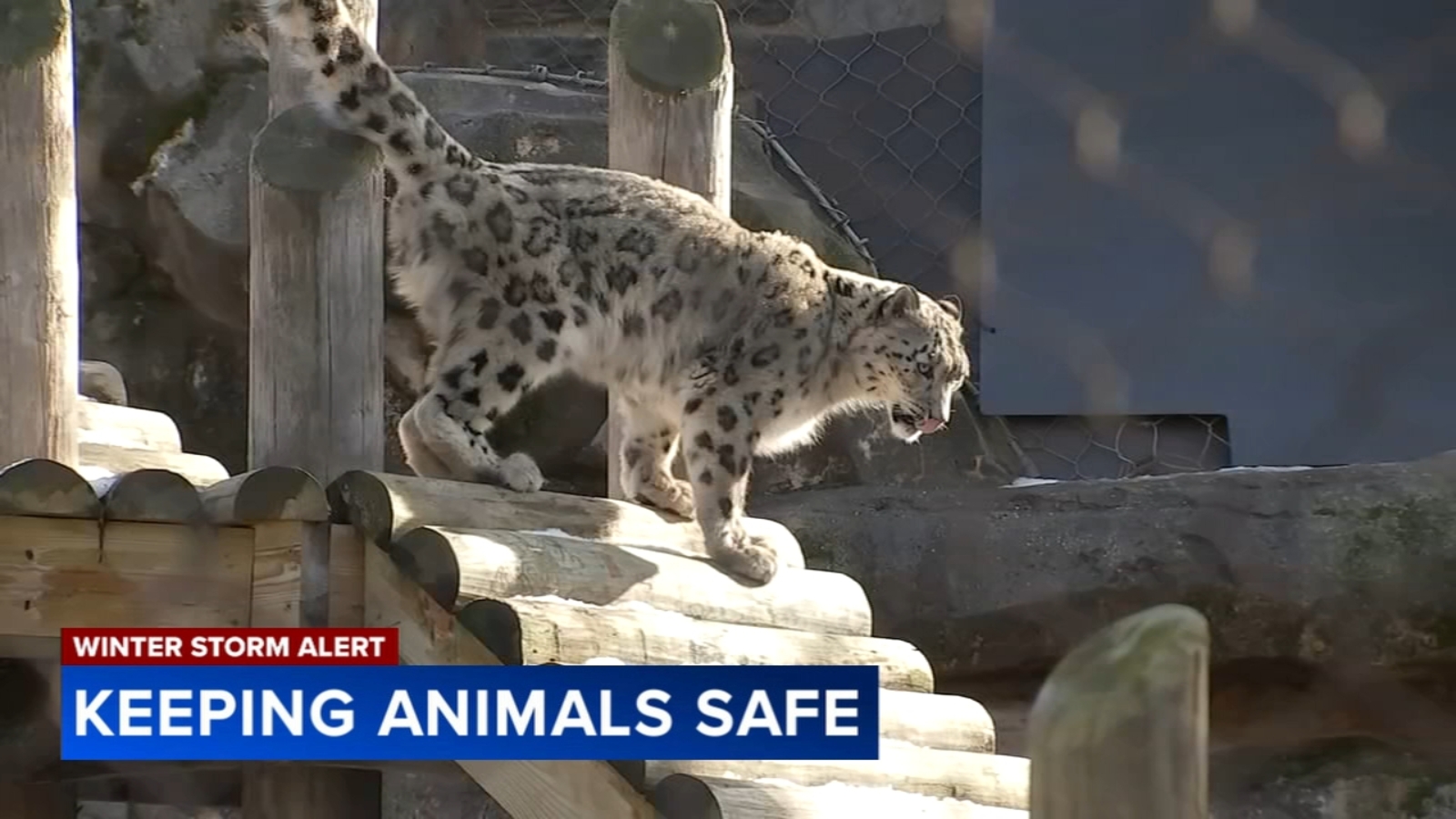
The Himalayan snow leopard is one of nature’s most remarkable winter survivors. Native to some of the highest and coldest mountain ranges on Earth, these majestic cats possess several evolutionary adaptations that allow them to flourish in temperatures that would send shivers down the spine of most animals.
Snow leopards feature exceptionally dense fur coats that insulate them against bitter cold, along with powerful, fur-covered tails that function much like a built-in scarf. They can wrap these long tails around their faces and bodies to conserve body heat during the harshest weather conditions. Wide, padded paws work like natural snowshoes, allowing them to traverse deep snow with ease while providing additional warmth.
This natural resilience is something pet parents can learn from, as it highlights just how dramatically cold tolerance can vary between species and individual animals.
Reptiles and Tropical Species Require Extra Warmth
On the opposite end of the spectrum, reptiles like the common chuckwalla need substantial warming support when temperatures drop outside. These cold-blooded creatures depend entirely on external heat sources to regulate their body temperature, making them especially vulnerable during winter months.
In zoo environments, reptile houses maintain carefully controlled temperatures, with heat lamps creating basking zones that can reach temperatures as high as 140 degrees Fahrenheit. Without these heated microclimates, reptiles cannot properly digest food, maintain immune function, or carry out basic biological processes. This same principle applies to pet reptiles kept in homes, where owners must ensure heat lamps, under-tank heaters, and thermostats remain in proper working order throughout the winter.
How Zoos Prepare for Severe Winter Storms
The dedication required to keep animals safe during extreme weather events is substantial. Before major storms hit, professional zookeepers hold multiple planning meetings to review the specific needs of every animal in their care. Each species, and often each individual animal, has unique requirements based on age, health status, native habitat, and behavioral patterns.
Staff members inspect shelters, verify heating equipment, stock up on food and medical supplies, and adjust enrichment activities to keep animals mentally stimulated while they may be confined indoors. This meticulous attention to detail ensures that every creature, from the hardiest snow leopard to the most temperature-sensitive reptile, remains safe and comfortable regardless of what Mother Nature delivers.
While most pet parents don’t manage an entire zoo, the same careful preparation applies at home. Thinking ahead about your pet’s needs before a winter storm arrives can make the difference between a minor inconvenience and a serious emergency.
Essential Tips for Protecting Pets in Cold Weather at Home
Veterinarians and animal care experts agree that cold weather pet safety requires a proactive approach. From daily walks to outdoor time, here are the most important considerations for keeping your pets healthy and comfortable during the winter season.
Watch for Salted Sidewalks and Paw Hazards
One of the most overlooked dangers during winter is the salt and de-icing chemicals used on sidewalks, streets, and driveways. While these products make walking surfaces safer for humans, they can cause significant discomfort and injury to your dog’s paws.
The chemicals in road salt can create a burning sensation on paw pads, causing redness, irritation, and even chemical burns with prolonged exposure. Dogs who lick their paws to clean them may also ingest these harmful substances, potentially leading to gastrointestinal upset or more serious toxic effects.
To protect your dog’s paws, consider the following precautions:
- Use protective booties designed for dogs to create a barrier between paw pads and harmful surfaces
- Apply paw balm or wax before walks to provide a protective layer and prevent cracking
- Wipe paws thoroughly with a warm, damp cloth after every outdoor walk to remove salt residue
- Trim the fur between paw pads to prevent ice balls from forming and trapping chemicals against the skin
- Choose pet-safe ice melt products for your own property when possible
Dog Jackets and Winter Apparel
Not all dogs need coats, but winter pet care for short-haired breeds often includes appropriate outerwear. Small breeds, greyhounds, Chihuahuas, and other short-coated dogs lack the natural insulation needed to stay comfortable during cold walks.
A well-fitted dog jacket or sweater provides crucial warmth, particularly for the chest and belly area where fur is often thinnest. Look for coats that cover the neck, extend along the back, and don’t restrict movement. Avoid wet clothing, as damp fabric actually accelerates heat loss rather than preventing it.
Keep Winter Walks Brief and Strategic
Veterinary experts recommend limiting outdoor exposure for dogs during harsh weather conditions. While exercise remains important for your pet’s physical and mental well-being, extreme cold, wind, and precipitation can quickly lead to hypothermia or frostbite.
A common recommendation is to limit bathroom breaks and walks to about five minutes, three times a day during particularly harsh weather. This provides enough time for your dog to relieve themselves while minimizing exposure to dangerous conditions.
For pets that require more exercise, consider these indoor alternatives:
- Interactive puzzle toys that mentally stimulate your dog
- Short training sessions to reinforce commands and burn energy
- Indoor fetch in a long hallway or basement
- Tug-of-war games with sturdy rope toys
- Hide-and-seek using treats or favorite toys
The Golden Rule of Winter Pet Safety
Veterinarians have a simple yet powerful guideline for pet parents wondering if conditions are safe for their animals: if you’re cold, your pet probably is too. This intuitive rule applies across species and helps remove the guesswork from decisions about walks, outdoor time, and overall activity levels.
Pets can suffer from frostbite on their ears, tails, and paws, and hypothermia can develop rapidly in small or short-coated animals. Watch for warning signs including shivering, lethargy, weakness, pale gums, and unusual anxiety or vocalization. If you notice any of these symptoms, bring your pet indoors immediately and contact your veterinarian.
Special Considerations for Cats
While the focus is often on dogs, pet paw protection and cold weather safety matter for cats as well. Outdoor cats face additional risks including frozen water sources, antifreeze exposure (which is highly toxic), and frostbite on their ears and tails.
Many veterinarians recommend keeping cats indoors during extreme weather. For indoor cats, ensure your home maintains a comfortable temperature and provide warm bedding in draft-free areas. Heated pet beds designed for cats offer extra comfort for senior felines or breeds with thin coats.
Small Mammals and Birds Need Warmth Too
Rabbits, guinea pigs, hamsters, and pet birds also require special attention during winter months. If these pets live in areas of the home that become drafty or cold, consider relocating their enclosures to warmer rooms. Avoid placing cages near windows, doors, or heating vents that create temperature fluctuations.
Conclusion
From the snow-capped Himalayas where snow leopards roam freely to the heated reptile houses of professional zoos, animals rely on careful preparation and thoughtful care to thrive during winter months. The same principles that guide zoo staff through severe weather planning can help pet parents provide the best possible care for their companions at home.
Remember the key strategies for protecting pets in cold weather: limit outdoor exposure during harsh conditions, protect paws from salt and ice, provide appropriate winter apparel for short-coated breeds, and always follow the golden rule that your comfort level often mirrors your pet’s. With proper planning and attention to your pet’s individual needs, winter can be a safe, comfortable, and even enjoyable season for the entire family, two-legged and four-legged members alike.