
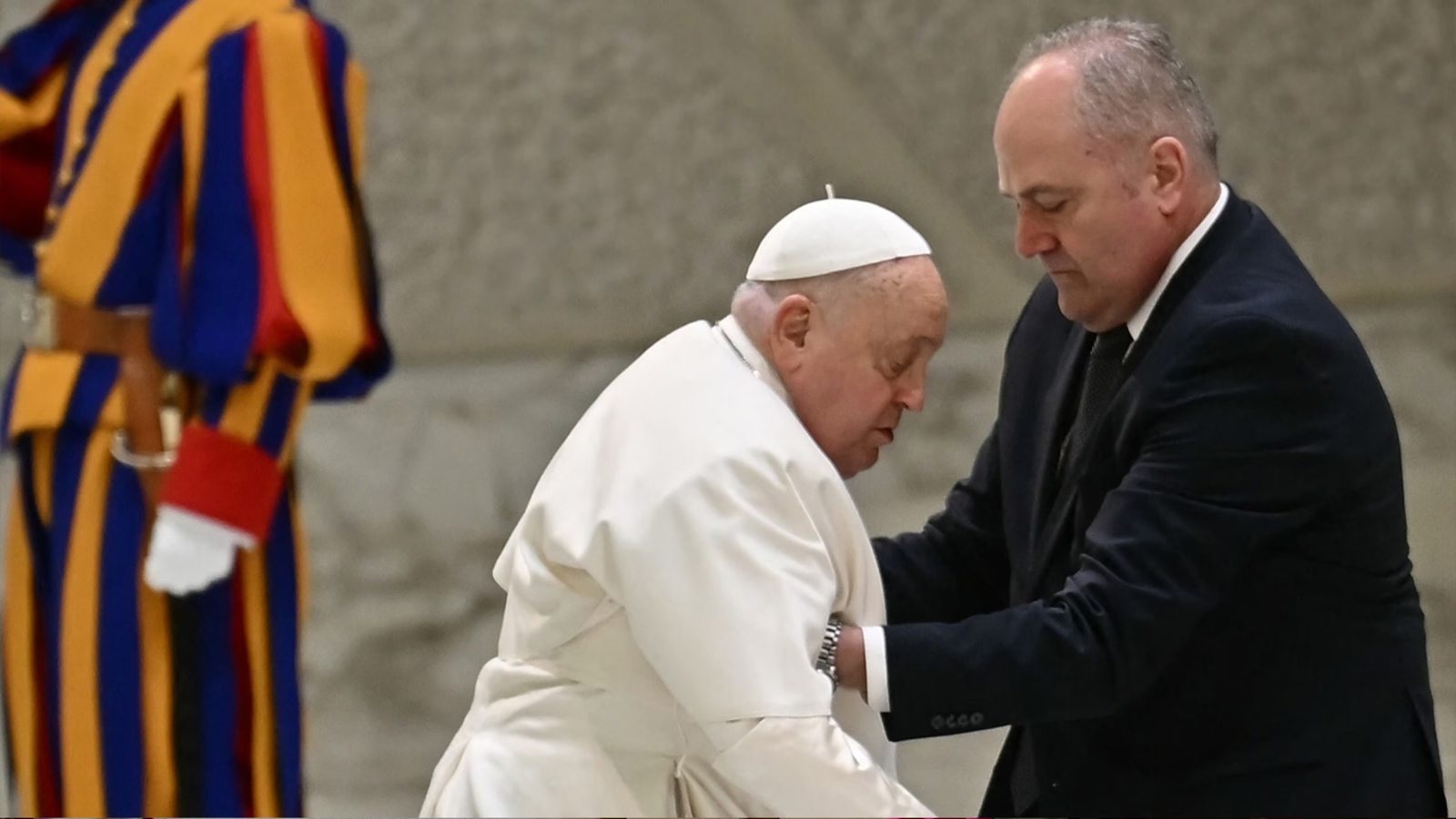
The news of Pope Francis hospitalization at Rome’s renowned Gemelli Polyclinic has drawn global attention, with Catholics and non-Catholics alike expressing concern for the 88-year-old pontiff. The Vatican confirmed that the leader of the Catholic Church was admitted on Friday after his weeklong struggle with bronchitis took a concerning turn, developing into a respiratory tract infection that required professional medical intervention and drug therapy.
According to Vatican spokesman Matteo Bruni, the pontiff arrived at the hospital in good spirits, remaining “serene” and even reading newspapers after his morning audiences. However, preliminary medical tests revealed that Francis was battling a respiratory tract infection accompanied by a mild fever. The Vatican described his overall condition as “fair,” a clinical term suggesting stability while acknowledging ongoing medical concerns.
The Decision to Hospitalize
The decision to admit the Pope came after Francis appeared visibly unwell during his morning audiences on Friday. Witnesses, including CNN’s Vatican correspondent Christopher Lamb, reported that while the pontiff remained mentally alert, he struggled to speak for extended periods due to persistent breathing difficulties. Observers noted he appeared bloated and pale,signs that suggested the medications he had been taking for his lung infection were causing fluid retention.
Before his transfer to Gemelli hospital, Francis held audiences with Slovak Prime Minister Robert Fico and CNN chairman Mark Thompson. These meetings underscored the Pope’s determination to maintain his duties despite his declining health, even as he was handing off portions of his speeches to aides who read them aloud on his behalf.
A History of Health Challenges
The Pope Francis hospitalization marks the latest chapter in a long history of respiratory and health challenges the pontiff has faced throughout his life. Perhaps most significantly, Francis had part of one lung,specifically the upper lobe of his right lung,removed as a young man after it developed three cysts during a near-fatal bout of pneumonia.
This earlier crisis nearly claimed his life, and the Pope has spoken at length about his experience in his autobiographies “Hope” and “Life.” In these memoirs, he credits his survival to Sister Cornelia Caraglio, an Italian nun who served as his nurse during the critical illness. Caraglio, who had worked as a teacher in Greece, demonstrated remarkable medical intuition when she recognized the severity of his condition and ordered that the prescribed doses of penicillin and streptomycin be doubled.
“She had intuition and practical experience, and certainly no lack of courage,” Francis recalled. “My companions came from the seminary to visit me; some also gave me their blood for transfusions. Gradually the fevers decided to leave me, and the light began to return.”
The surgery to remove the damaged lung lobe was performed using the medical techniques of the era, leaving the young Jorge Bergoglio with significant scarring and a lifelong vulnerability to respiratory illness.
Recent Health Struggles
Francis had been diagnosed with bronchitis on February 6, yet continued to perform his daily audiences from his Vatican hotel suite. Throughout the week, he participated in an outdoor Mass on Sunday and his general Wednesday audience, though the physical toll was increasingly evident.
Beyond his respiratory concerns, the Pope has faced other health challenges in recent months. He now relies on a wheelchair, walker, or cane for mobility within his apartment, and he has suffered two recent falls that injured his arm and chin. These incidents have raised ongoing concerns about his overall resilience and recovery capacity.
The current Pope Francis hospitalization follows several previous stays at the same facility. In June 2023, he underwent surgery at Gemelli to remove intestinal scar tissue and repair an abdominal hernia. Just months before that, in March 2023, he was rushed to the hospital with a high fever and sharp chest pain, later revealing he had been diagnosed with “an acute and strong pneumonia, in the lower part of the lungs.”
Cancelled Engagements and Holy Year Impact
The Vatican announced that Francis would cancel his participation in Holy Year events through Monday at least, disrupting a busy scheduled weekend. The original agenda included an audience with artists visiting Rome for the Jubilee on Saturday, a Mass for them on Sunday, and a highly anticipated trip to Rome’s famous Cinecitta film studios on Monday.
While a Vatican cardinal will preside over the Sunday Mass in Francis’ place, the other events have been canceled entirely “due to the impossibility of the pope to participate.” The disruption is particularly notable given that 2025 marks a significant Jubilee year in the Catholic calendar, drawing pilgrims and visitors from around the world to Rome.
Public Reaction and Vatican Communication
Outside Gemelli hospital, where popes enjoy a private suite on the tenth floor, concerned well-wishers gathered to show their support. Votive candles, including some featuring Francis’ photograph, surrounded the statue of St. John Paul II that welcomes visitors at the hospital entrance. Among those offering prayers was Nino Davi, a patient receiving treatment at Gemelli who had traveled from Palermo, Sicily.
“I wish with all my heart that he will get better because these awful illnesses, you don’t wish them on anyone,” Davi said. “So I wish with all my heart that he gets better.”
The Vatican’s communication strategy regarding the pontiff’s health has evolved over time. This announcement, delivered before the actual admission, marked a sharp contrast to the confusion that surrounded his March 2023 hospitalization. During that episode, the Vatican initially described the visit as scheduled tests, only for Francis to later reveal that the situation had been far more urgent, with pneumonia requiring intravenous antibiotics and a four-day hospital stay.
As he left the hospital in April 2023, the Pope quipped that he was “still alive,” later expressing gratitude for his recovery: “Thank God I can tell the story, because the organism, the body, responded well to the treatment.”
Looking Ahead
The Vatican has not disclosed how long Francis is expected to remain hospitalized, leaving Catholics worldwide awaiting further updates on his condition. Given the pontiff’s age, his history of respiratory issues, and his partial lung removal decades ago, medical experts and observers will be watching closely for signs of both immediate improvement and longer-term complications.
The Pope Francis hospitalization serves as a reminder of the physical vulnerabilities that come with his demanding role and his remarkable personal history of overcoming serious illness. From the desperate days of his youth when Sister Cornelia Caraglio’s quick thinking helped save his life, to his current battle with respiratory complications in the heart of Rome, Francis has repeatedly demonstrated resilience that has carried him through numerous health crises.
As prayers and messages of support continue to pour in from across the globe, the Catholic Church and its 1.3 billion members find themselves once again united in hope for their spiritual leader’s swift and complete recovery. The coming days will likely bring further updates from Vatican officials as they balance transparency with appropriate discretion regarding the Pope’s medical condition.