
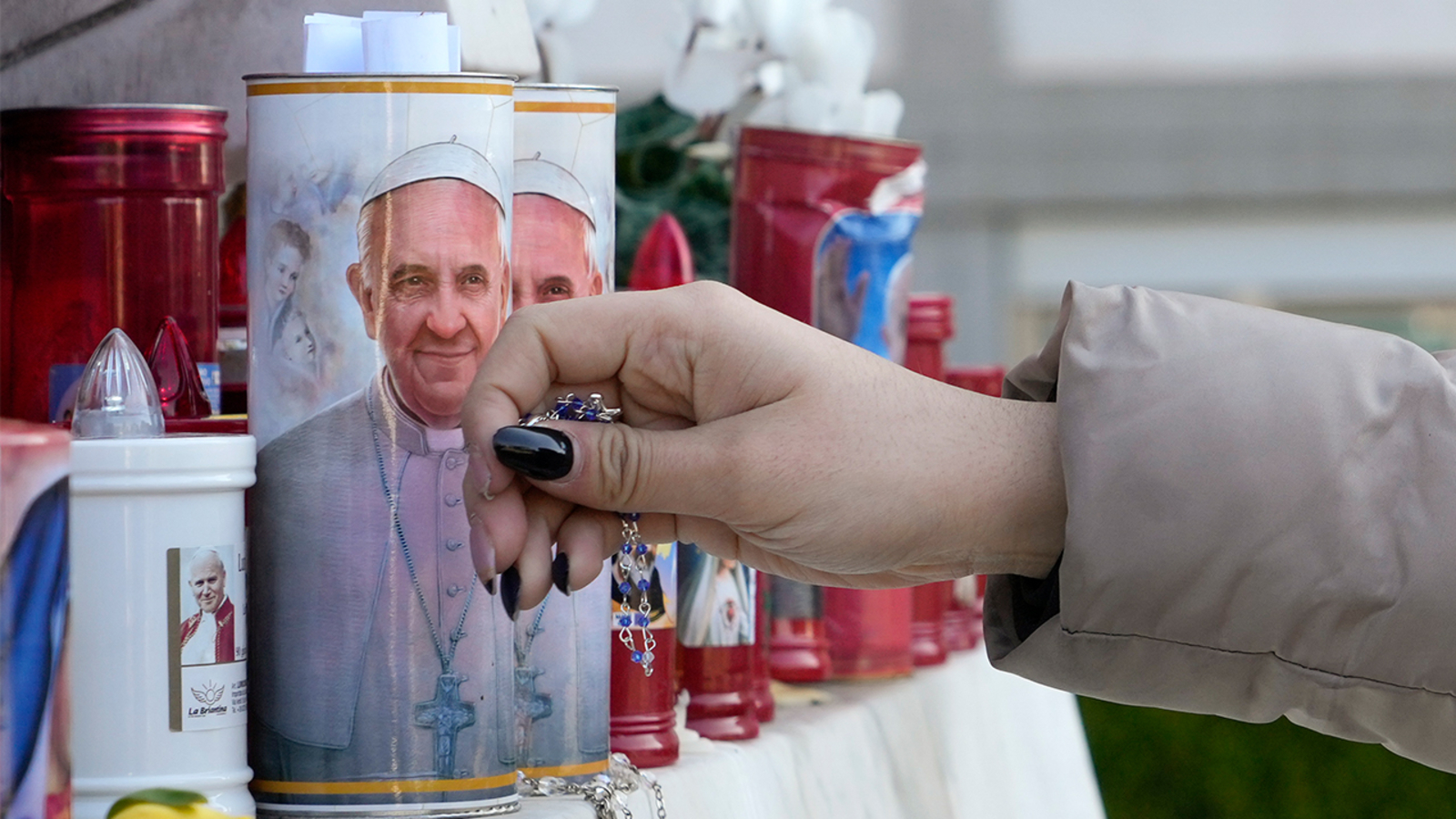
The global Catholic community and observers worldwide are closely monitoring Pope Francis health updates as the 88-year-old pontiff remains in critical condition at Rome’s Gemelli Hospital. After suffering a prolonged asthmatic respiratory crisis on Saturday morning, the Vatican confirmed that the pope requires high-flow oxygen and is now considered to be in a delicate state.
His hospitalization, which began on February 14 following a worsening bout of bronchitis, has now stretched into its second week. Medical professionals have identified a complex respiratory infection along with pneumonia affecting both lungs, raising serious concerns about his recovery trajectory.
A Worsening Medical Situation
The Saturday evening update from the Vatican painted a sobering picture of the pope’s condition. In addition to the breathing crisis, physicians discovered signs of anemia, prompting the need for blood transfusions. Despite these interventions, the pontiff reportedly remained alert and spent the day in an armchair, though experiencing more discomfort than the previous day.
Vatican officials emphasized that the prognosis remains “reserved,” a medical term that signals genuine uncertainty about the patient’s outcome. The combination of his advanced age, pre-existing chronic lung disease, and the severity of the current infections creates a particularly challenging clinical picture.
The Threat of Sepsis
Perhaps the most alarming concern among medical experts is the potential development of sepsis, a life-threatening blood infection that can emerge as a dangerous complication of pneumonia. Dr. Sergio Alfieri, head of medicine and surgery at Gemelli Hospital, addressed this risk directly during a Friday press conference.
“Sepsis, with his respiratory problems and his age, would really be difficult to overcome,” Alfieri explained. He cautioned that bacteria present in the pope’s respiratory system could potentially enter the bloodstream, triggering organ failure and potentially death.
In a moment that resonated with both medical professionals and the faithful, Alfieri touched the microphone while speaking, saying, “The English say ‘knock on wood,’ we say ‘touch iron.’ Everyone should touch what they want. But this is the real risk in these cases.”
The Pope’s Medical Team Speaks Out
The pope’s personal physician, Dr. Luigi Carbone, provided candid insights into Francis’s current state, emphasizing that while the pontiff is responding to various medications, he remains far from safe.
“He’s not out of danger,” Carbone stated frankly. “Like all fragile patients, I say they are always on a golden balance: in other words, it takes very little to lose that balance.”
This assessment underscores the precarious nature of the pope’s health situation. The medical team has implemented a comprehensive treatment regimen including absolute rest, a combination of corticosteroids and antibiotics, and supplemental oxygen administered as needed.
A Complex Infection Profile
Medical evaluations have revealed that Pope Francis is battling a multi-faceted infection involving viral, bacterial, and fungal components. This complexity significantly complicates treatment strategies, as each type of pathogen requires different therapeutic approaches. The subsequent development of bilateral pneumonia has further intensified concerns about his prognosis.
The pope’s chronic respiratory condition, which has been a persistent challenge throughout his pontificate, adds another layer of vulnerability to his current medical battle. Recovery, according to his doctors, will require considerable time, and Francis will likely need to continue managing chronic respiratory issues even after returning to the Vatican.
The Vatican’s Response and Continued Celebrations
Despite the gravity of the situation, the Vatican has proceeded with its scheduled Jubilee celebrations without the pope’s physical presence. The Holy Year, a significant Catholic celebration occurring every 25 years, was just beginning when Francis fell ill. This particular weekend had been designated to honor deacons, a ministry within the Catholic Church that precedes priestly ordination.
In the pope’s absence, the organizer of the Jubilee year will officiate the traditional Sunday mass. For the second consecutive weekend, Francis is expected to skip his customary midday Sunday blessing, an absence that has not gone unnoticed by the faithful gathered in Rome.
Luis Arnaldo Lopez Quirindongo, a deacon from Puerto Rico attending the Jubilee celebrations, expressed the sentiments of many when he remarked, “Even though he’s not here physically, we know he’s here. He’s recovering, but he’s in our hearts and he’s accompanying us because our prayers and his go together.”
Francis’s Decision to Stay at Work
Dr. Carbone revealed an important detail about the pope’s behavior before hospitalization: Francis had insisted on remaining at the Vatican to fulfill his institutional and private commitments even after falling ill. Before being admitted to Gemelli Hospital, he was seen by a cardiologist and an infectious disease specialist in addition to his personal medical team.
This determination to continue working despite declining health reflects the pope’s well-known work ethic and dedication to his role. However, it also highlights the seriousness of his condition that hospitalization became necessary after his bronchitis worsened.
The Road to Recovery
Looking ahead, the medical team has been realistic about expectations. Dr. Alfieri’s assessment was measured yet honest: “He has to overcome this infection, and we all hope he will. But the reality is that all possibilities remain open.”
Recovery from this type of complex respiratory infection in an elderly patient with chronic lung disease typically requires weeks of careful monitoring and rehabilitation. The pope’s medical team, which includes his personal nurse Massimiliano Strappetti working alongside Dr. Carbone, will need to carefully balance treatment interventions with the pontiff’s overall wellbeing.
For Catholics worldwide, the coming days will be crucial. The world watches and prays as one of the most recognizable spiritual leaders of our time battles through this critical health crisis. The Vatican’s continued communication about his condition provides some reassurance, but the reserved prognosis reminds everyone that the situation remains genuinely uncertain.
A Global Community United in Concern
Beyond the medical facts and Vatican procedures, this situation has touched millions of people globally. The pope, as leader of approximately 1.3 billion Catholics worldwide, represents far more than just a head of state. His humility, his advocacy for the marginalized, and his commitment to interfaith dialogue have made him a beloved figure even among non-Catholics.
Messages of support have poured in from across the religious and political spectrum, reflecting the universal respect that Pope Francis has garnered throughout his pontificate. From interfaith leaders to heads of state, the concern for his wellbeing transcends denominational and national boundaries.
Conclusion
The current chapter in Pope Francis’s health journey represents perhaps the most serious medical crisis of his nearly twelve-year pontificate. With his age, chronic respiratory condition, and the severity of his current infections all working against him, the road ahead will undoubtedly be challenging. Yet the same resilience and determination that led him to insist on working through his illness may well prove essential in his recovery.
As the medical team at Gemelli Hospital continues their vigilant care and the Vatican maintains its schedule of celebrations with adapted arrangements, the world awaits further updates on Pope Francis health. The situation serves as a powerful reminder of human vulnerability and the universal concern that unites people across cultures and creeds when a beloved leader faces such trials. For now, all attention remains focused on Rome, where prayers and medical expertise converge in hopes of the pontiff’s full recovery.