
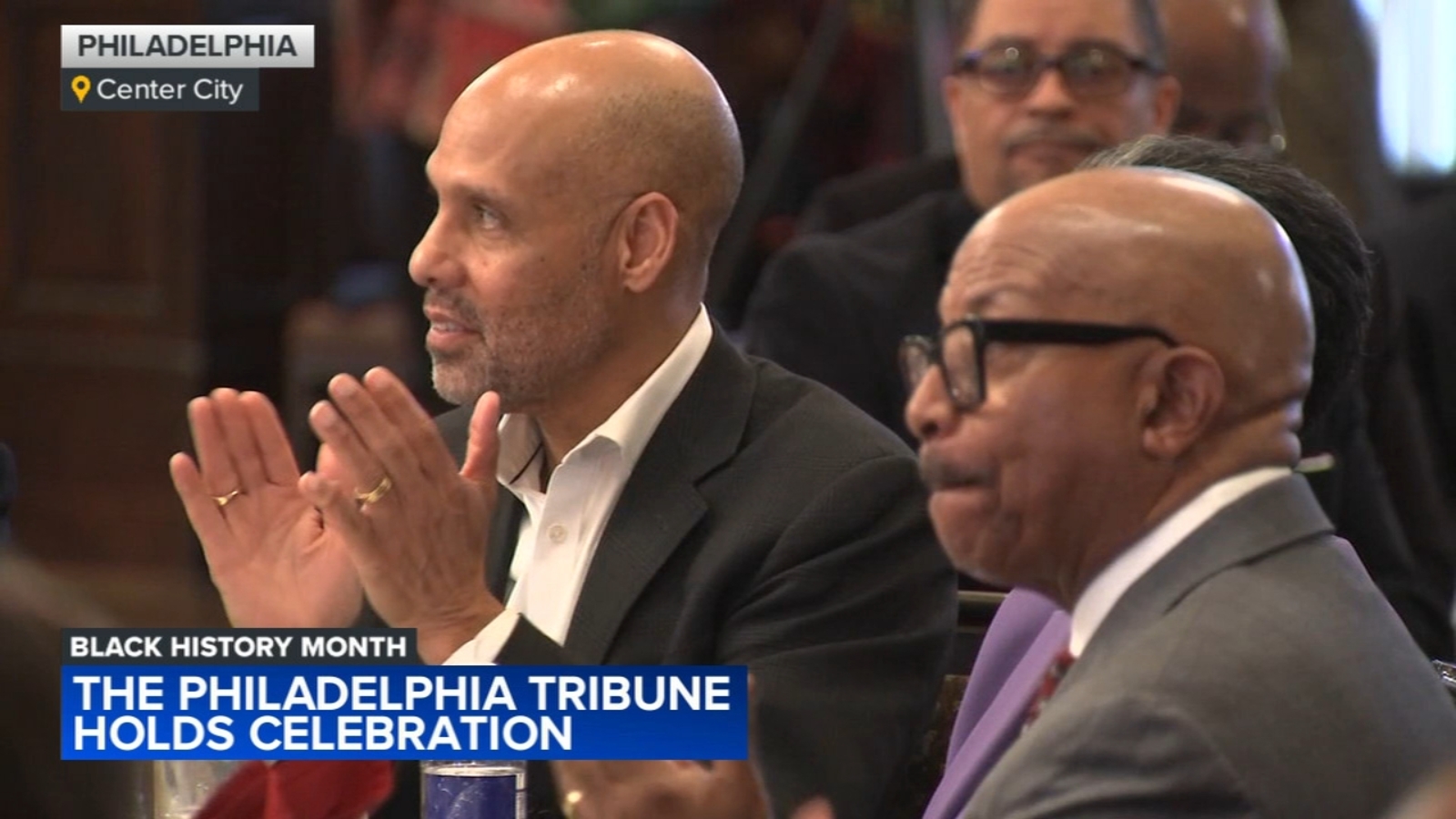
The Philadelphia Tribune, recognized as the nation’s oldest continuously published African American newspaper, hosted a powerful Black History Month celebration in the heart of Center City. The event brought together community leaders, elected officials, and devoted readers to honor the enduring legacy and contributions of African Americans throughout history. Held at the historic Union League of Philadelphia, the gathering reflected on the newspaper’s remarkable journey and its unwavering commitment to telling the stories that shape the Black experience in America.
Mayor Cherelle Parker joined a distinguished lineup of speakers who paid tribute to the resilience, creativity, and determination that have defined African American communities for generations. This year’s theme, “A Celebration of Strength, Vision, and the Enduring Spirit of African Americans,” set the tone for an afternoon filled with reflection, inspiration, and renewed commitment to the ongoing pursuit of equity and justice.
The Historic Significance of the Philadelphia Tribune
Few institutions in American journalism carry the weight and legacy of the Philadelphia Tribune. Founded in 1884, the newspaper has chronicled over 140 years of African American life, bearing witness to pivotal moments ranging from the Jim Crow era to the Civil Rights Movement and beyond. As the nation’s oldest continuously published Black newspaper, the Tribune has served as both a mirror and a megaphone for communities whose stories were often ignored or distorted by mainstream media outlets.
The Tribune’s founding came at a time when African American voices in journalism were not only rare but often dangerous to produce. Its early publishers faced threats, financial struggles, and social ostracism for the simple act of advocating for Black communities through the printed word. Yet, through every challenge, the paper persevered, building a legacy that remains unmatched in American publishing history.
A Voice for the Voiceless
Throughout its existence, the Philadelphia Tribune has championed causes that mainstream newspapers overlooked. From advocating for desegregation to covering local elections, from highlighting Black excellence to investigating racial injustices, the paper has consistently served as a trusted source of information for African American families across Philadelphia and beyond. Its reporting has shaped public opinion, influenced policy decisions, and given voice to generations of readers who saw their experiences reflected on its pages.
The newspaper’s influence extends well beyond Philadelphia’s borders. Its archives serve as an invaluable historical record, documenting the evolution of African American communities, businesses, churches, and cultural institutions. Researchers, historians, and journalists regularly turn to the Tribune’s archives to understand the rich tapestry of Black life in America.
The Venue: A Symbol of Complex History
The choice of the Union League of Philadelphia as the event’s venue carried deep symbolic significance. Established in 1862, the Union League was founded in part to support President Abraham Lincoln and the Union cause during the Civil War. However, like many institutions of its era, it also had a complicated relationship with African Americans, particularly in its early decades.
Hosting a Black History Month celebration at this historic landmark represented a powerful statement about progress, reconciliation, and the evolving nature of American institutions. The juxtaposition of an African American newspaper celebrating its legacy within walls that once symbolized exclusion created a moment of profound historical reflection.
The Union League’s stunning architecture, with its grand ballrooms and ornate detailing, provided a fitting backdrop for an event honoring the grandeur of African American contributions to society. Guests gathered in spaces that had witnessed Philadelphia’s transformation over more than 150 years, now hosting conversations about the future of Black communities in the city and beyond.
Mayor Cherelle Parker and City Leadership
Mayor Cherelle Parker’s participation underscored the importance of the occasion. As Philadelphia’s first woman to hold the mayor’s office and a longtime advocate for the city’s diverse communities, Parker’s presence reinforced the administration’s commitment to celebrating African American heritage and addressing ongoing challenges faced by Black residents.
During her remarks, the mayor highlighted the vital role that institutions like the Philadelphia Tribune play in shaping civic discourse and preserving cultural memory. She emphasized the importance of supporting Black-owned media outlets and ensuring that diverse voices continue to have platforms in an increasingly fragmented media landscape.
Parker’s administration has prioritized equity and inclusion initiatives, and her attendance at the Tribune’s celebration aligned with broader efforts to acknowledge and honor the contributions of African Americans to Philadelphia’s identity as a city. The event served as an opportunity to recommit to principles of justice, opportunity, and recognition that have guided the city’s evolution.
This Year’s Theme: Strength, Vision, and Enduring Spirit
The 2024 theme, “A Celebration of Strength, Vision, and the Enduring Spirit of African Americans,” captured the multifaceted nature of Black history and identity. Each element of the theme invited attendees to reflect on different dimensions of the African American experience:
- Strength , Acknowledging the physical, emotional, and spiritual fortitude that has carried communities through centuries of adversity, from slavery and segregation to contemporary challenges.
- Vision , Honoring the leaders, thinkers, artists, and innovators who imagined a better future and worked tirelessly to bring it into reality.
- Enduring Spirit , Celebrating the cultural richness, creativity, and joy that have sustained African American communities through every chapter of history.
These themes resonated throughout the event, as speakers shared personal stories, historical reflections, and aspirations for the future. The celebration served as both a recognition of past achievements and a call to continued action.
The Role of Black Press in Modern America
The Philadelphia Tribune’s celebration also spotlighted the broader importance of the Black press in contemporary society. In an era when media consolidation has reduced local journalism and algorithmic feeds often prioritize engagement over accuracy, Black-owned newspapers serve a crucial function. They provide nuanced coverage of communities that are frequently misrepresented or ignored by larger outlets.
The Tribune continues to adapt to changing times while maintaining its core mission. Its digital presence has expanded its reach, allowing stories to reach readers far beyond Philadelphia’s city limits. Yet the fundamental commitment remains the same: telling the truth about African American life with the depth, context, and authenticity that readers deserve.
Community Connection and Cultural Preservation
Beyond news coverage, the Philadelphia Tribune has long served as a cultural institution, documenting everything from church announcements and social gatherings to political movements and artistic achievements. This role as a community connector has made the paper an irreplaceable part of Philadelphia’s social fabric.
Events like the Black History Month celebration reinforce these connections, bringing together readers, advertisers, community leaders, and journalists in shared appreciation for the institution’s continued relevance. Such gatherings also introduce new generations to the Tribune’s legacy, ensuring that its mission endures.
Looking Forward: The Future of Black Journalism
As the Philadelphia Tribune looks to the future, it faces both challenges and opportunities common to the broader journalism industry. Declining print advertising, shifting reader habits, and the proliferation of digital misinformation all pose significant hurdles. However, the newspaper’s deep community roots, trusted brand, and commitment to authentic storytelling position it well for continued success.
Emerging journalists at the Tribune and similar publications carry forward a proud tradition while exploring innovative approaches to storytelling, multimedia journalism, and community engagement. Their work ensures that the next chapter of Black journalism will be as dynamic and impactful as the chapters that came before.
Conclusion
The Philadelphia Tribune‘s Black History Month celebration at the Union League of Philadelphia was more than a commemorative event , it was a powerful affirmation of resilience, achievement, and the enduring importance of Black storytelling. By gathering in one of the city’s most historic venues, attendees honored not only the newspaper’s remarkable legacy but also the countless individuals and movements that have shaped African American history.
As the nation’s oldest continuously published Black newspaper, the Tribune carries a responsibility that extends beyond journalism. It serves as a guardian of memory, a champion of truth, and a beacon of hope for communities that have always found strength in their stories. The celebration in Center City reminded everyone present that Black history is not confined to a single month but is woven into the daily fabric of American life. Through institutions like the Philadelphia Tribune, that history continues to be told, preserved, and celebrated for generations to come.