
Across Philadelphia, a growing number of retired city employees are speaking out about terminal pay delays that have left them waiting months,sometimes close to a full year,to receive the compensation they are owed after leaving public service. What should be a meaningful financial cushion at the start of retirement is instead becoming a source of anxiety, mounting bills, and unanswered phone calls to city offices.
Terminal pay represents the cash value of unused compensatory time, sick leave, vacation days, and holiday time that employees accumulate over years or decades of service. For many longtime municipal workers, this final payout accounts for a substantial portion of their retirement income. When the city drags its feet on issuing these payments, the consequences ripple through household budgets, credit scores, and long-term financial planning.
The Scope of the Problem in Philadelphia
The Office of the Director of Finance, led by Rob Dubow, processes more than 1,700 terminal pay payments every year. According to internal figures shared with reporters, average terminal pay delays over the past three years have stretched to just over five months, with an average payout of approximately $24,000 per retiree. That figure tells only part of the story,individual retirees report wait times ranging from several months to nearly a year.
Union contracts governing city employees specify that accrued leave should be paid out within 30 days of retirement. Retirees and their representatives say that deadline is consistently missed, sometimes by an order of magnitude.
What Retirees Are Enduring
Andy Yaletsko spent 36 years with the Philadelphia Police Department, rising to the rank of sergeant. His wife retired alongside him after 33 years in the Major Crimes unit. Both submitted their paperwork on the same day, yet their experiences diverged sharply.
- Yaletsko received his terminal payment in early May, more than nine months after his retirement date.
- His wife was still waiting at the 11-month mark, with no check in hand and few answers from city officials.
“When you start getting to that third and fourth month, you start looking at your bills piling up, or the things that you’re just making partial payment on,” Yaletsko explained. “Then you start making phone calls if you can, if you can get through to somebody.”
His account reflects a pattern repeated across departments,from police officers to firefighters to civilian employees,where the city owes substantial sums but offers little transparency about timing.
The Union Response: “It Equates to Wage Theft”
John McGrody, vice president of Fraternal Order of Police (FOP) Lodge 5, did not mince words when describing the impact of these terminal pay delays on his members.
“It equates to wage theft. It’s nothing short of wage theft,” McGrody said. He estimated that roughly 80 percent of the union’s casework now involves helping retirees track down payments they have long since earned.
The frustration extends beyond mere inconvenience. Many retirees report that the only response they receive from city officials is a vague promise that staff are “working on the issue.” For someone relying on that final check to cover rent, utilities, or medical costs, that answer is not sufficient.
Contractual Deadlines Go Ignored
The collective bargaining agreements covering Philadelphia municipal workers require the city to pay out accrued leave within 30 days of an employee’s retirement date. McGrody and other union representatives point out that this contractual obligation is being violated routinely.
“They’re supposed to pay out accrued leave within 30 days. It’s nowhere near 30 days,” McGrody emphasized. The gap between the contractual standard and the actual practice is, in his view, evidence that the city is failing its obligations to those who dedicated careers to public service.
The City’s Official Response
Rob Dubow, who heads the Office of the Director of Finance, declined an on-camera interview but addressed the delays through an emailed statement. His core message was that the city’s goal is “to always pay our employees timely and accurately,” while acknowledging that current performance falls short of that standard.
Dubow also clarified an important procedural point: the deadlines for issuing terminal payments are dictated by individual union contracts rather than the city charter. In other words, the responsibility for meeting these timelines falls squarely on the administration’s processing capacity, not on a broader legal framework.
Why the Backlog Exists
According to Dubow, one contributing factor to the current terminal pay delays was a recent transfer of the auditing function into his department. That internal reorganization created new bottlenecks, even as the underlying obligation to retirees remained unchanged.
To address the backlog, the city has outlined plans to:
- Hire additional staff dedicated to processing terminal payouts.
- Create a specialized three-person unit focused exclusively on the more than 1,700 annual payments.
- Continue auditing terminal pay transactions to ensure accuracy.
While these steps may eventually reduce wait times, they do little to help retirees who retired months ago and are still waiting for checks that should have arrived in a matter of weeks.
DROP Program Faces Similar Hurdles
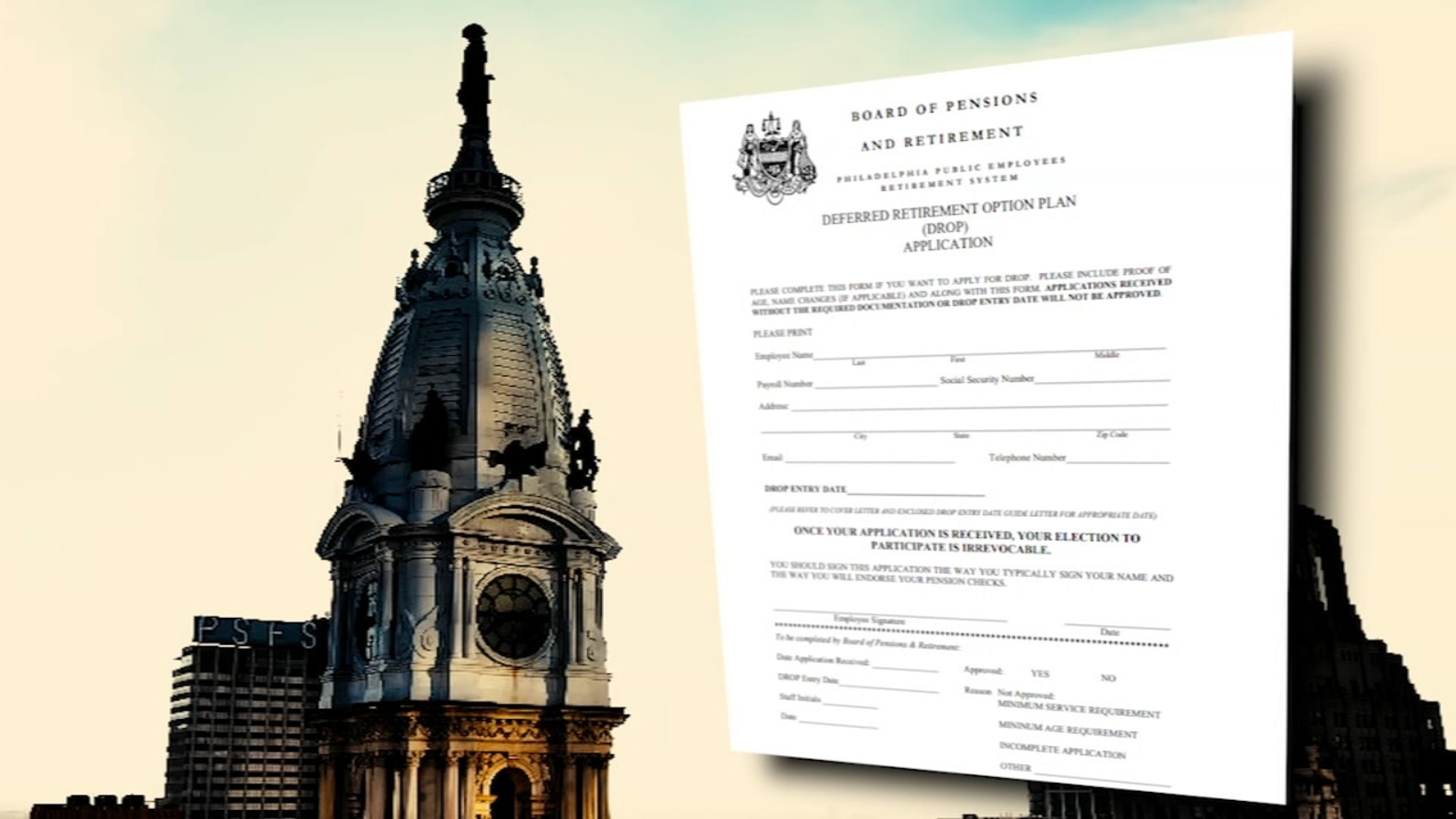
The terminal pay issue is not limited to accrued leave. Retired Deputy Fire Chief James Renninger experienced firsthand the delays affecting the Deferred Retirement Option Plan, better known as DROP. This program allows qualifying employees to lock in their pension benefits up to four years before retirement, with a lump-sum payment issued at the end of that window.
“My experience was that it took five months to get my DROP. That’s unacceptable,” Renninger said. His five-month wait mirrors the broader pattern of terminal pay delays affecting the city’s workforce.
The Pension Board’s Role
DROP payments are administered by the Philadelphia Board of Pensions and Retirement, which Dubow also chairs. While the board oversees a separate payment stream from terminal leave, retirees report overlapping delays and similar frustrations when trying to obtain their funds.
Renninger argued that a 30-day window for issuing payments is a reasonable standard for any government agency managing retirement obligations. That benchmark, consistent with the contractual requirement for terminal leave, would represent a dramatic improvement over current processing times.
Calls for Interest and Better Remediations
Several retirees have proposed a straightforward remedy: if the city cannot pay on time, the outstanding balance should accrue interest until it is issued. The logic is simple,if retirees had received their money when it was due, many would have placed it in interest-bearing accounts or investment vehicles. The delays have cost them thousands of dollars in potential earnings.
However, Renninger acknowledged a significant legal obstacle. “There’s really no remediation at this point. The laws are vague, concerning payouts for pensions,” he said, highlighting the regulatory gaps that allow these delays to continue without consequence.
The Paperwork Factor
One anonymous member of the Pension Board offered a partial explanation for some DROP delays, noting that paperwork errors and late submissions from former employees can hold up processing. While this may explain certain individual cases, it does not account for the systemic nature of the delays retirees describe,nor does it excuse the city’s failure to communicate clearly with those waiting on payments.
What Retirees Deserve
The men and women affected by Philadelphia’s terminal pay delays are not asking for special treatment. They are requesting the timely payment of compensation they earned through decades of service. Whether that service involved patrol cars, fire trucks, crime units, or administrative offices, the principle is the same: a contract is a contract, and the city should honor its commitments.
Until the dedicated three-person unit is fully staffed, until auditing processes are streamlined, and until the city treats 30-day deadlines as binding rather than aspirational, retirees will continue to face the kind of financial strain that Andy Yaletsko, his wife, James Renninger, and countless others have already endured.
Conclusion
The story of Philadelphia’s terminal pay delays is ultimately about trust,trust between a city and the public employees who served it for decades. When that trust erodes, the impact is felt not just in delayed checks but in the daily lives of retirees struggling to cover basic expenses. With an average wait of five months, an average payout of $24,000, and a contractual obligation of 30 days, the gap between promise and practice is impossible to ignore. City officials have pledged improvements, but for the thousands of retirees currently waiting, those pledges cannot come soon enough.